
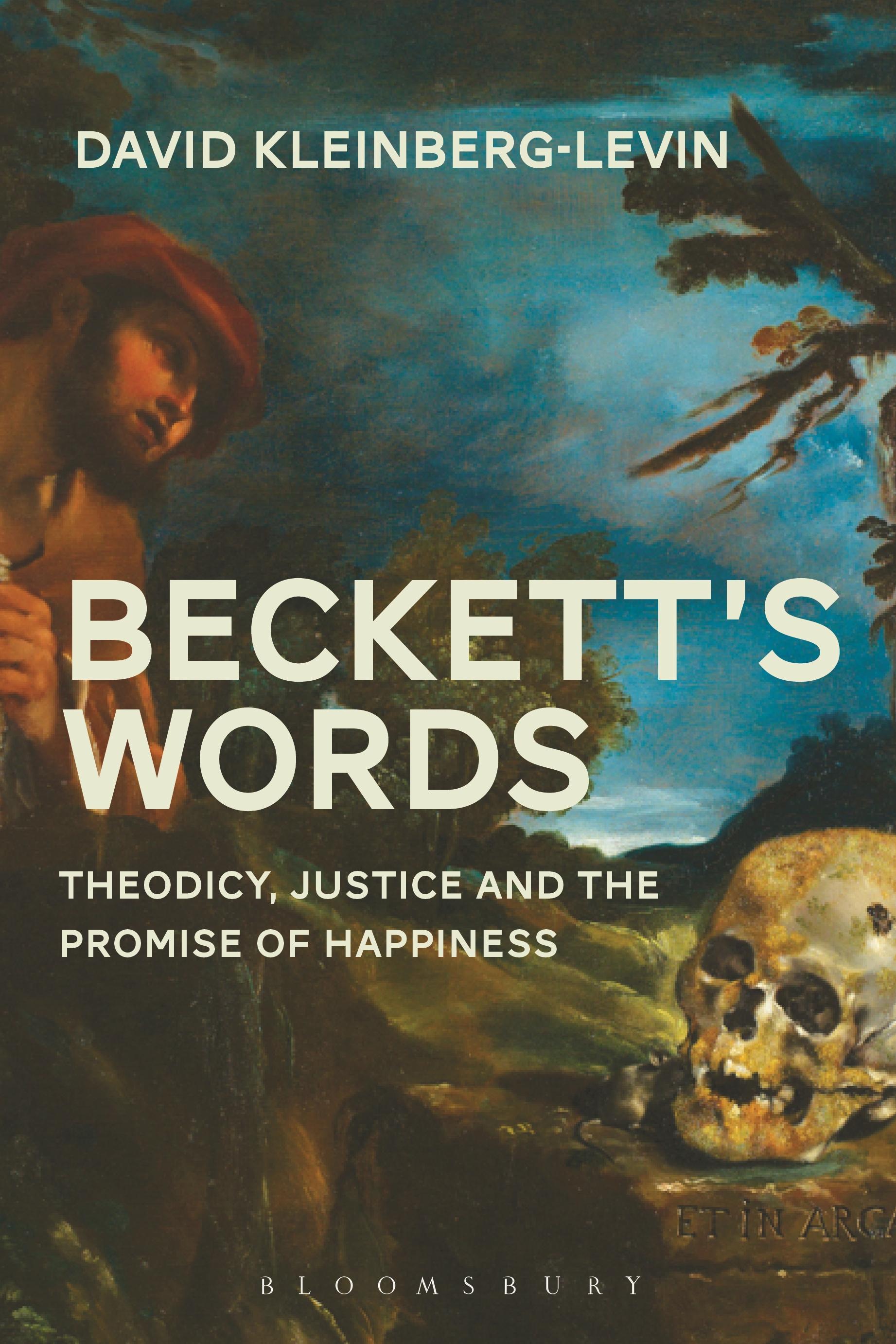
At stake in this book is a struggle with language in a time when our old faith in the redeeming of the word-and the word's power to redeem-has almost been destroyed. Drawing on Benjamin's political theology, his interpretation of the German Baroque mourning play, and Adorno's critical aesthetic theory, but also on the thought of poets and many other philosophers, especially Hegel's phenomenology of spirit, Nietzsche's analysis of nihilism, and Derrida's writings on language, Kleinberg-Levin shows how, because of its communicative and revelatory powers, language bears the utopian "promise of happiness," the idea of a secular redemption of humanity, at the very heart of which must be the achievement of universal justice. In an original reading of Beckett's plays, novels and short stories, Kleinberg-Levin shows how, despite inheriting a language damaged, corrupted and commodified, Beckett redeems dead or dying words and wrests from this language new possibilities for the expression of meaning. Without denying Beckett's nihilism, his picture of a radically disenchanted world, Kleinberg-Levin calls attention to moments when his words suddenly ignite and break free of their despair and pain, taking shape in the beauty of an austere yet joyous lyricism, suggesting that, after all, meaning is still possible.
Pagina's: 304
Categorie: Litteraturvetenskap & Teori
e-ISBN: 9781474216883
Verzendgewicht: 1.2 kg
Verzending binnen: 1-2 dagen
Betaal eenvoudig met kaart, Klarna, Apple Pay of Google Pay. Niet tevreden? Je hebt altijd 14 dagen bedenktijd. Lees meer in onze voorwaarden. Heb je vragen, mail ons dan via hello@memmo.org.
Memmo maakt studeren makkelijker – waar je ook bent ter wereld. Wij brengen je cursusboeken en slimme studietools samen op één plek: samenvattingen, quizzen, podcasts en flashcards. En Ted, je studievriend die antwoord geeft op alles wat je je afvraagt. Meer dan 50.000 studenten studeren hier al – gebouwd om je sneller te laten leren en minder stress te geven.