
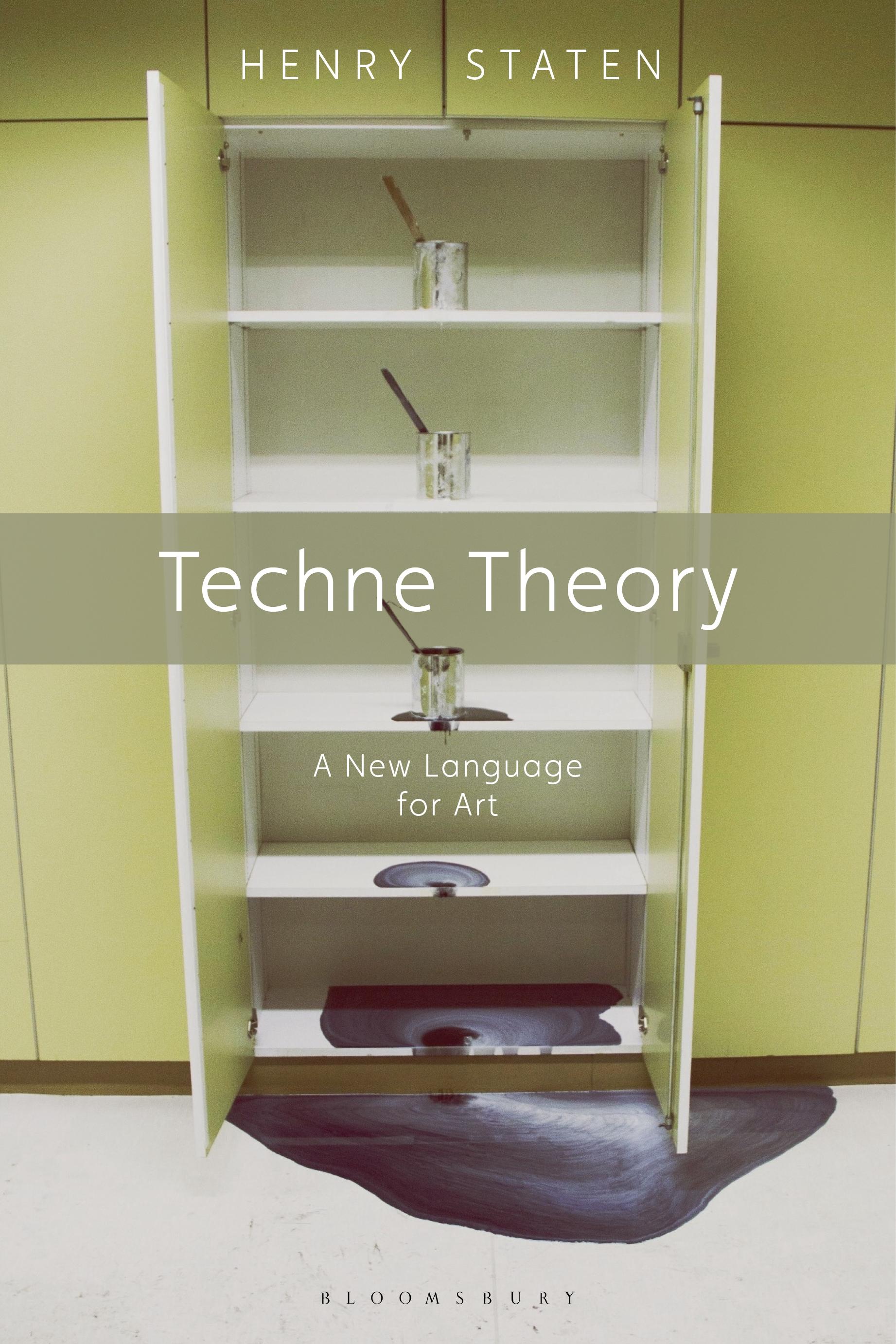
Only since the Romantic period has art been understood in terms of an ineffable aesthetic quality of things like poems, paintings, and sculptures, and the art-maker as endowed with an inexplicable power of creation. From the Greeks to the 18th century, art was conceived as techne--the skill and know-how by which things and states of affairs are ordered. Techne Theory shows how to use this concept to cut through the Romantic notion of art as a kind of magic by returning to the original sense of art as techne, the standpoint of the person who actually knows how to make a work of art.
Understood as techne, art-making, like all other cultural accomplishments, is a form of work performed by an artisan who has inherited the know-how of previous generations of artisans. Along the way, Techne Theory cuts through the humanist-structuralist impasse over the question of artistic agency and explains what 'form' really means.
Understood as techne, art-making, like all other cultural accomplishments, is a form of work performed by an artisan who has inherited the know-how of previous generations of artisans. Along the way, Techne Theory cuts through the humanist-structuralist impasse over the question of artistic agency and explains what 'form' really means.
Betaal eenvoudig met kaart, Klarna, Apple Pay of Google Pay. Niet tevreden? Je hebt altijd 14 dagen bedenktijd. Lees meer in onze voorwaarden. Heb je vragen, mail ons dan via hello@memmo.org.
Memmo maakt studeren makkelijker – waar je ook bent ter wereld. Wij brengen je cursusboeken en slimme studietools samen op één plek: samenvattingen, quizzen, podcasts en flashcards. En Ted, je studievriend die antwoord geeft op alles wat je je afvraagt. Meer dan 50.000 studenten studeren hier al – gebouwd om je sneller te laten leren en minder stress te geven.