
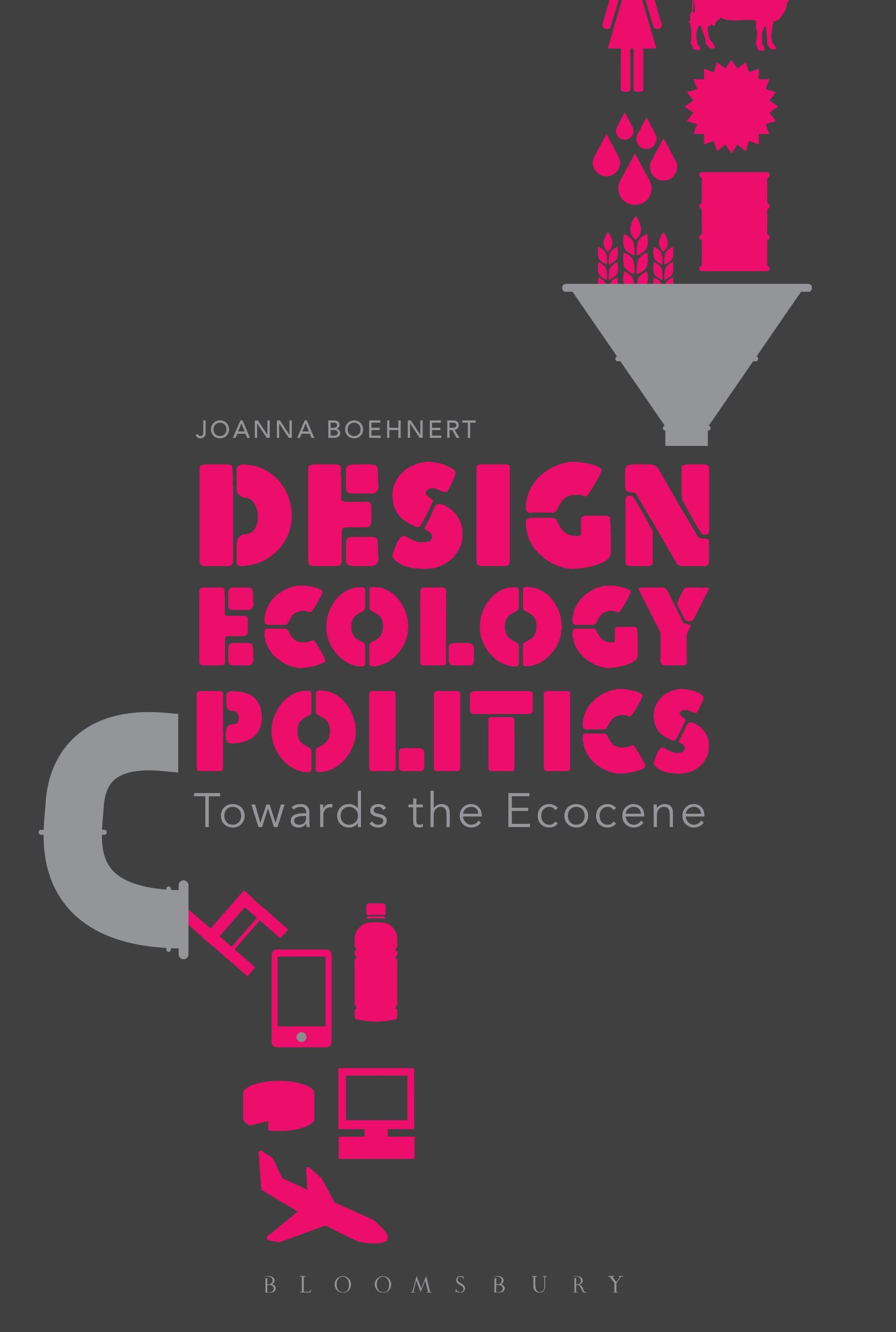
Design, Ecology, Politics links social and ecological theory to design theory and practice, critiquing the ways in which the design industry perpetuates unsustainable development.
Boehnert argues that when design does engage with issues of sustainability, this engagement remains shallow, due to the narrow basis of analysis in design education and theory. The situation is made more severe by design cultures which claim to be apolitical. Where design education fails to recognise the historical roots of unsustainable practice, it reproduces old errors. New ecologically informed design methods and tools hold promise only when incorporated into a larger project of political change. Design, Ecology, Politics describes how ecological literacy challenges many central assumptions in design theory and practice.
By bringing design, ecology and socio-political theory together, Boehnert describes how power is constructed, reproduced and obfuscated by design in ways which often cause environmental harms. She uses case studies to illustrate how communication design functions to either conceal or reveal the ecological and social impacts of current modes of production. The transformative potential of design is dependent on deep-reaching analysis of the problems design attempts to address. Ecologically literate and critically engaged design is a practice primed to facilitate the creation of viable, sustainable and just futures. With this approach, designers can make sustainability not only possible, but attractive.
Boehnert argues that when design does engage with issues of sustainability, this engagement remains shallow, due to the narrow basis of analysis in design education and theory. The situation is made more severe by design cultures which claim to be apolitical. Where design education fails to recognise the historical roots of unsustainable practice, it reproduces old errors. New ecologically informed design methods and tools hold promise only when incorporated into a larger project of political change. Design, Ecology, Politics describes how ecological literacy challenges many central assumptions in design theory and practice.
By bringing design, ecology and socio-political theory together, Boehnert describes how power is constructed, reproduced and obfuscated by design in ways which often cause environmental harms. She uses case studies to illustrate how communication design functions to either conceal or reveal the ecological and social impacts of current modes of production. The transformative potential of design is dependent on deep-reaching analysis of the problems design attempts to address. Ecologically literate and critically engaged design is a practice primed to facilitate the creation of viable, sustainable and just futures. With this approach, designers can make sustainability not only possible, but attractive.
Betaal eenvoudig met kaart, Klarna, Apple Pay of Google Pay. Niet tevreden? Je hebt altijd 14 dagen bedenktijd. Lees meer in onze voorwaarden. Heb je vragen, mail ons dan via hello@memmo.org.
Memmo maakt studeren makkelijker – waar je ook bent ter wereld. Wij brengen je cursusboeken en slimme studietools samen op één plek: samenvattingen, quizzen, podcasts en flashcards. En Ted, je studievriend die antwoord geeft op alles wat je je afvraagt. Meer dan 50.000 studenten studeren hier al – gebouwd om je sneller te laten leren en minder stress te geven.