
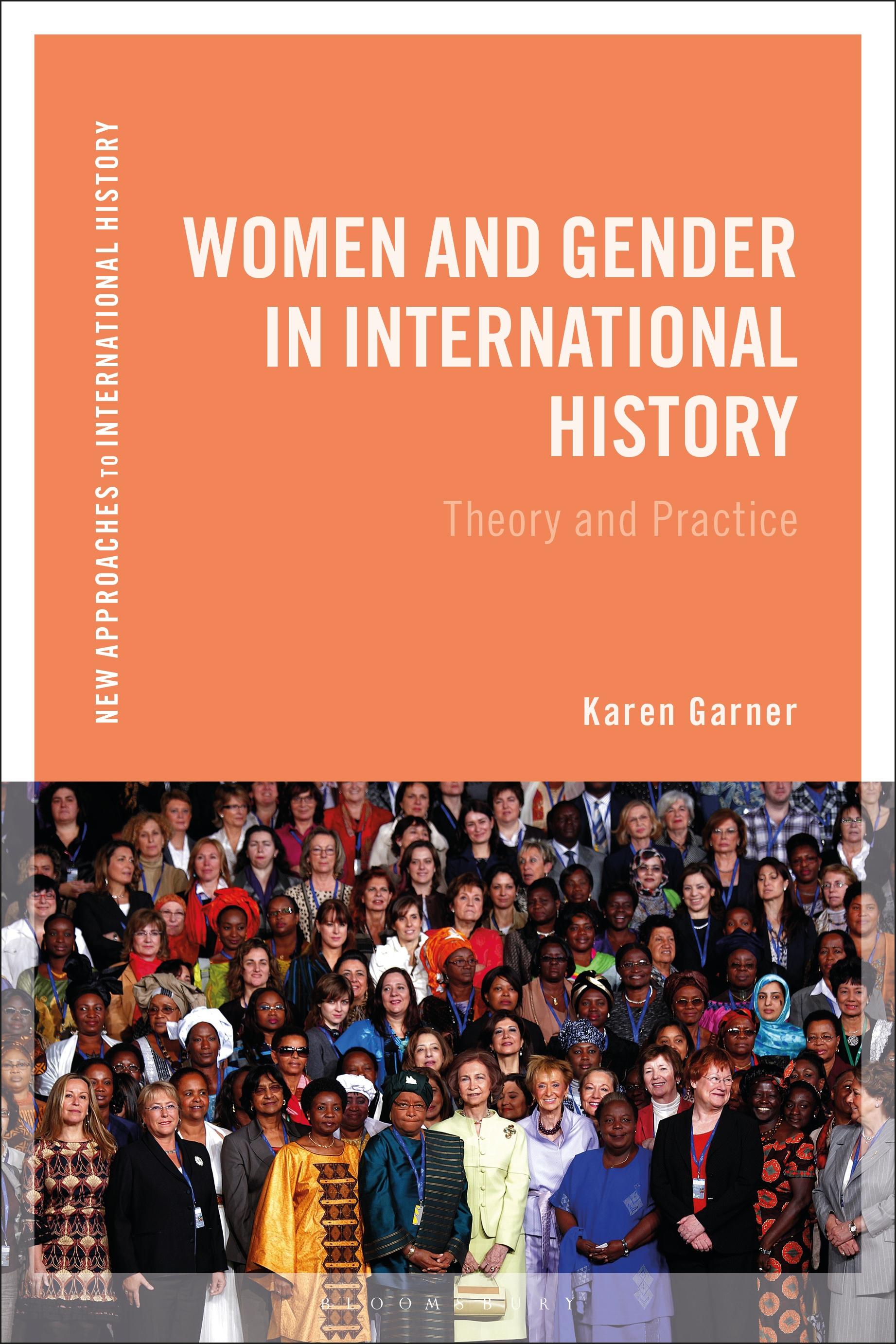
Most governments and global political organizations have been dominated by male leaders and structures that institutionalize male privilege. As Women and Gender in International History reveals, however, women have participated in and influenced the traditional concerns of international history even as they have expanded those concerns in new directions.
Karen Garner provides a timely synthesis of key scholarship and establishes the influential roles that women and gender power relations have wielded in determining the course of international history. From the early-20th century onward, women have participated in state-to-state relations and decisions about when to pursue diplomacy or when to go to war to settle international conflicts. Particular women, as well as masculine and feminine gender role constructs, have also influenced the establishment and evolution of intergovernmental organizations and their political, social and economic policy making regimes and agencies. Additionally, feminists have critiqued male-dominated diplomatic establishment and intergovernmental organizations and have proposed alternative theories and practices.
This text integrates women, and gender and feminist analyses, into the study of international history in order to produce a broader understanding of processes of international change during the 20th and 21st centuries.
Karen Garner provides a timely synthesis of key scholarship and establishes the influential roles that women and gender power relations have wielded in determining the course of international history. From the early-20th century onward, women have participated in state-to-state relations and decisions about when to pursue diplomacy or when to go to war to settle international conflicts. Particular women, as well as masculine and feminine gender role constructs, have also influenced the establishment and evolution of intergovernmental organizations and their political, social and economic policy making regimes and agencies. Additionally, feminists have critiqued male-dominated diplomatic establishment and intergovernmental organizations and have proposed alternative theories and practices.
This text integrates women, and gender and feminist analyses, into the study of international history in order to produce a broader understanding of processes of international change during the 20th and 21st centuries.
Betaal eenvoudig met kaart, Klarna, Apple Pay of Google Pay. Niet tevreden? Je hebt altijd 14 dagen bedenktijd. Lees meer in onze voorwaarden. Heb je vragen, mail ons dan via hello@memmo.org.
Memmo maakt studeren makkelijker – waar je ook bent ter wereld. Wij brengen je cursusboeken en slimme studietools samen op één plek: samenvattingen, quizzen, podcasts en flashcards. En Ted, je studievriend die antwoord geeft op alles wat je je afvraagt. Meer dan 50.000 studenten studeren hier al – gebouwd om je sneller te laten leren en minder stress te geven.