
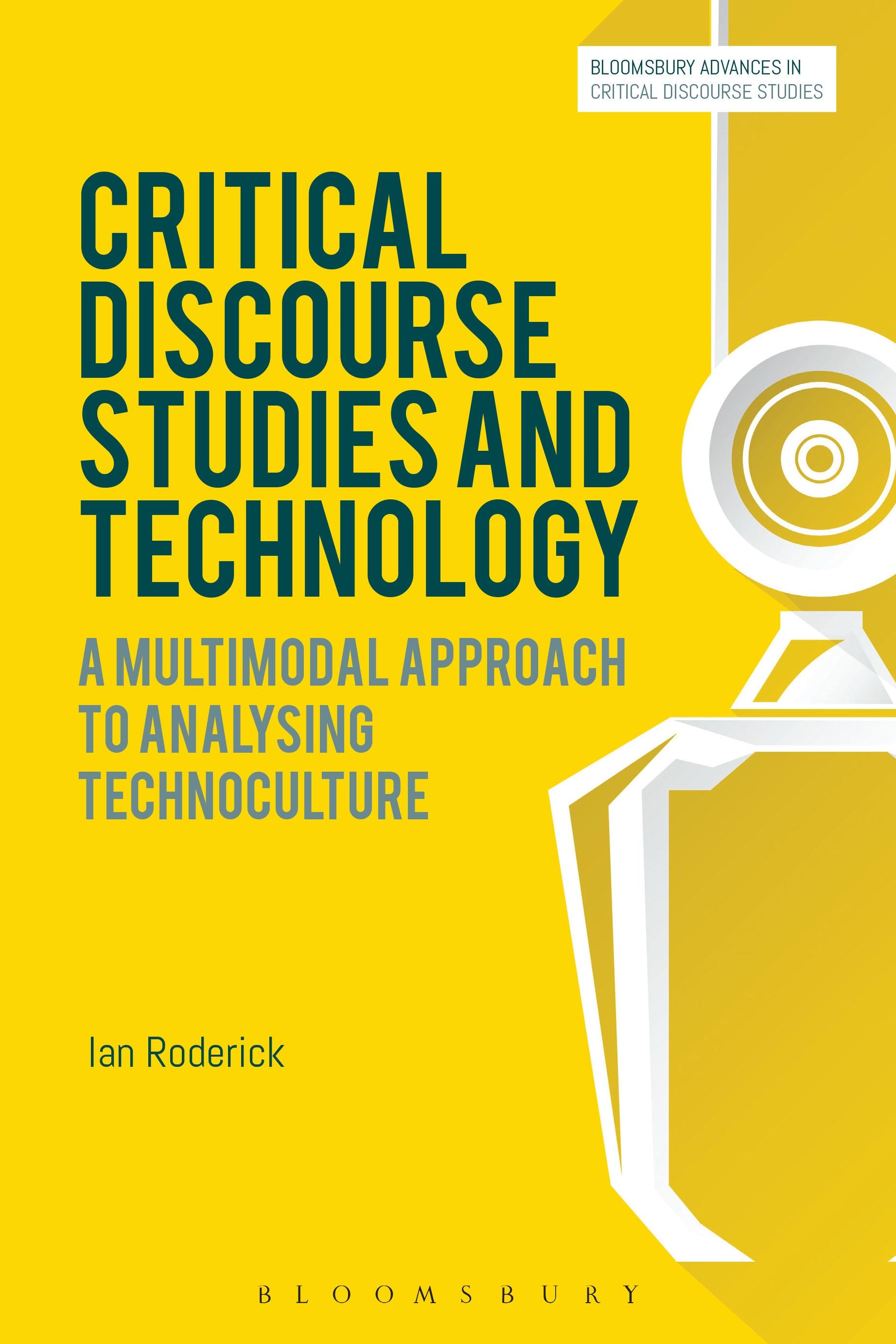
Making a new contribution to the developing field of multimodal critical discourse studies, Ian Roderick's book demonstrates how technologies that tend to be widely represented as innovative, or as simple pragmatic solutions, are always anchored in power relations and are therefore deeply ideological.
A series of examples analysing technologies such as robotics, smart phones or bio-medicine, their functioning and uses, as well as their representations in the media, show that these are embedded within discourses that tell us about social and power relations, identities and political values. The book takes a tour of everyday technologies and how they are represented in different settings. A Disney theme park attraction showing how technology has improved family life makes many assumptions about what is natural in terms of interpersonal relations, pleasure and satisfaction. Advertisements that represent robot workers inform us about the kinds of worker-management relations now characterising work places. Roderick looks at the way that technologies, while often represented as divorced from their production and maintenance, as objects of wonder, need to be seen within a fabric of social relations that tends to be supressed from how we see them as part of a wider technological fetishism.
Engaging with existing theories of technology, the book argues that we must take a more interdisciplinary approach to avoid the pitfalls of social constructivism and technological determinism. Our experiences of technologies are shaped through the relationship between knowledge, practices and institutional forms.
A series of examples analysing technologies such as robotics, smart phones or bio-medicine, their functioning and uses, as well as their representations in the media, show that these are embedded within discourses that tell us about social and power relations, identities and political values. The book takes a tour of everyday technologies and how they are represented in different settings. A Disney theme park attraction showing how technology has improved family life makes many assumptions about what is natural in terms of interpersonal relations, pleasure and satisfaction. Advertisements that represent robot workers inform us about the kinds of worker-management relations now characterising work places. Roderick looks at the way that technologies, while often represented as divorced from their production and maintenance, as objects of wonder, need to be seen within a fabric of social relations that tends to be supressed from how we see them as part of a wider technological fetishism.
Engaging with existing theories of technology, the book argues that we must take a more interdisciplinary approach to avoid the pitfalls of social constructivism and technological determinism. Our experiences of technologies are shaped through the relationship between knowledge, practices and institutional forms.
Betaal eenvoudig met kaart, Klarna, Apple Pay of Google Pay. Niet tevreden? Je hebt altijd 14 dagen bedenktijd. Lees meer in onze voorwaarden. Heb je vragen, mail ons dan via hello@memmo.org.
Memmo maakt studeren makkelijker – waar je ook bent ter wereld. Wij brengen je cursusboeken en slimme studietools samen op één plek: samenvattingen, quizzen, podcasts en flashcards. En Ted, je studievriend die antwoord geeft op alles wat je je afvraagt. Meer dan 50.000 studenten studeren hier al – gebouwd om je sneller te laten leren en minder stress te geven.