
CHOICE Outstanding Academic Title 2016
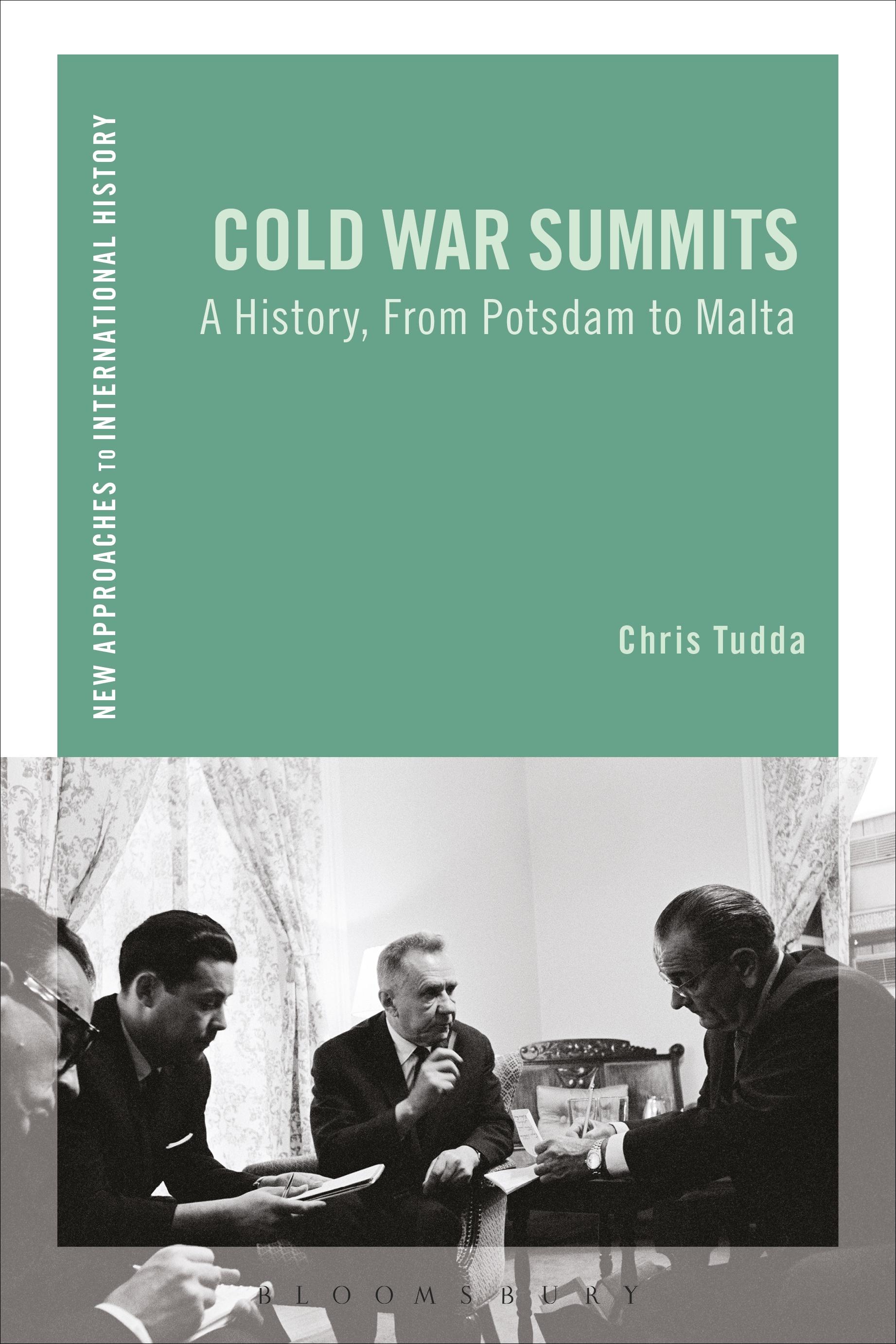
This book examines six summits spanning the beginning and the end of the Cold War. Using declassified documents from U.S., British, and other archives, Chris Tudda shows how the Cold War developed from an ideological struggle between capitalism and communism into a truly global struggle. From Potsdam in 1945, to Malta in 1989, the nuclear superpowers met to determine how to end World War II, manage the arms race, and ultimately, end the Cold War. Meanwhile, the newly independent nations of the "Third World," including the People's Republic of China, became active and respected members of the international community determined to manage their own fates independent of the superpowers.
The six summits - Potsdam (1945), Bandung (1955), Glassboro (1967), Beijing (1972), Vienna (1972), and Malta (1989) - are here examined together in a single volume for the first time. An introductory essay provides a historiographical analysis of Cold War summitry, while the conclusion ties the summits together and demonstrates how the history of the Cold War can be understood not only by examining the meetings between the superpowers, but also by analyzing how the developing nations became agents of change and thus affected international relations.
This book examines six summits spanning the beginning and the end of the Cold War. Using declassified documents from U.S., British, and other archives, Chris Tudda shows how the Cold War developed from an ideological struggle between capitalism and communism into a truly global struggle. From Potsdam in 1945, to Malta in 1989, the nuclear superpowers met to determine how to end World War II, manage the arms race, and ultimately, end the Cold War. Meanwhile, the newly independent nations of the "Third World," including the People's Republic of China, became active and respected members of the international community determined to manage their own fates independent of the superpowers.
The six summits - Potsdam (1945), Bandung (1955), Glassboro (1967), Beijing (1972), Vienna (1972), and Malta (1989) - are here examined together in a single volume for the first time. An introductory essay provides a historiographical analysis of Cold War summitry, while the conclusion ties the summits together and demonstrates how the history of the Cold War can be understood not only by examining the meetings between the superpowers, but also by analyzing how the developing nations became agents of change and thus affected international relations.
Betaal eenvoudig met kaart, Klarna, Apple Pay of Google Pay. Niet tevreden? Je hebt altijd 14 dagen bedenktijd. Lees meer in onze voorwaarden. Heb je vragen, mail ons dan via hello@memmo.org.
Memmo maakt studeren makkelijker – waar je ook bent ter wereld. Wij brengen je cursusboeken en slimme studietools samen op één plek: samenvattingen, quizzen, podcasts en flashcards. En Ted, je studievriend die antwoord geeft op alles wat je je afvraagt. Meer dan 50.000 studenten studeren hier al – gebouwd om je sneller te laten leren en minder stress te geven.