
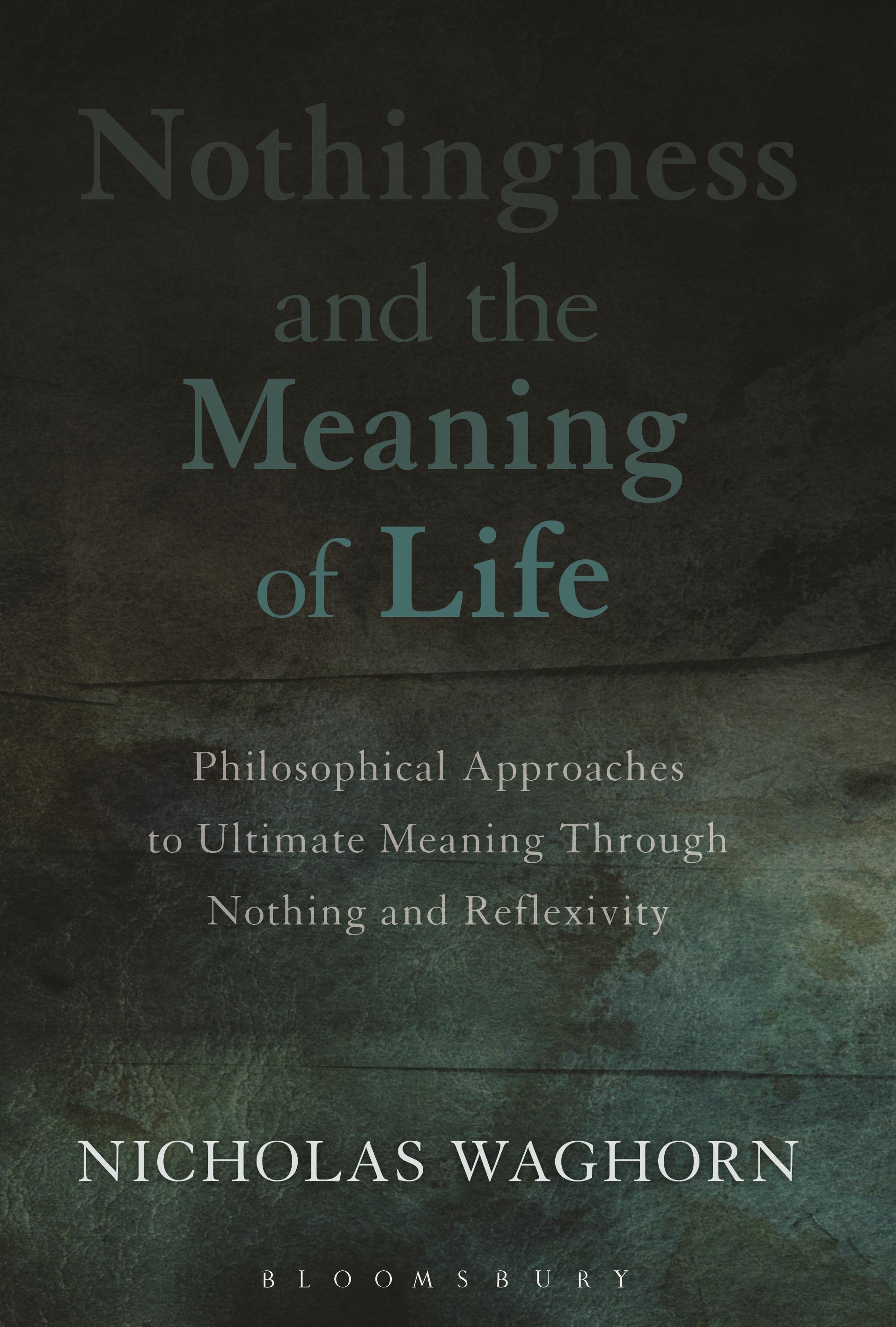
What is the meaning of life? Does anything really matter? In the past few decades these questions, perennially associated with philosophy in the popular consciousness, have rightly retaken their place as central topics in the academy. In this major contribution, Nicholas Waghorn provides a sustained and rigorous elucidation of what it would take for lives to have significance. Bracketing issues about ways our lives could have more or less meaning, the focus is rather on the idea of ultimate meaning, the issue of whether a life can attain meaning that cannot be called into question.
Waghorn sheds light on this most fundamental of existential problems through a detailed yet comprehensive examination of the notion of nothing, embracing classic and cutting-edge literature from both the analytic and Continental traditions. Central figures such as Heidegger, Carnap, Wittgenstein, Nozick and Nagel are drawn upon to anchor the discussion in some of the most influential discussion of recent philosophical history. In the process of relating our ideas concerning nothing to the problem of life's meaning, Waghorn's book touches upon a number of fundamental themes, including reflexivity and its relation to our conceptual limits, whether religion has any role to play in the question of life's meaning, and the nature and constraints of philosophical methodology.
A number of major philosophical traditions are addressed, including phenomenology, poststructuralism, and classical and paraconsistent logics. In addition to providing the most thorough current discussion of ultimate meaning, it will serve to introduce readers to philosophical debates concerning the notion of nothing, and the appendix engaging religion will be of value to both philosophers and theologians.
Waghorn sheds light on this most fundamental of existential problems through a detailed yet comprehensive examination of the notion of nothing, embracing classic and cutting-edge literature from both the analytic and Continental traditions. Central figures such as Heidegger, Carnap, Wittgenstein, Nozick and Nagel are drawn upon to anchor the discussion in some of the most influential discussion of recent philosophical history. In the process of relating our ideas concerning nothing to the problem of life's meaning, Waghorn's book touches upon a number of fundamental themes, including reflexivity and its relation to our conceptual limits, whether religion has any role to play in the question of life's meaning, and the nature and constraints of philosophical methodology.
A number of major philosophical traditions are addressed, including phenomenology, poststructuralism, and classical and paraconsistent logics. In addition to providing the most thorough current discussion of ultimate meaning, it will serve to introduce readers to philosophical debates concerning the notion of nothing, and the appendix engaging religion will be of value to both philosophers and theologians.
Pagina's: 320
Categorie: Filosofi
e-ISBN: 9781472529855
Verzendgewicht: 1.2 kg
Verzending binnen: 1-2 dagen
Betaal eenvoudig met kaart, Klarna, Apple Pay of Google Pay. Niet tevreden? Je hebt altijd 14 dagen bedenktijd. Lees meer in onze voorwaarden. Heb je vragen, mail ons dan via hello@memmo.org.
Memmo maakt studeren makkelijker – waar je ook bent ter wereld. Wij brengen je cursusboeken en slimme studietools samen op één plek: samenvattingen, quizzen, podcasts en flashcards. En Ted, je studievriend die antwoord geeft op alles wat je je afvraagt. Meer dan 50.000 studenten studeren hier al – gebouwd om je sneller te laten leren en minder stress te geven.