
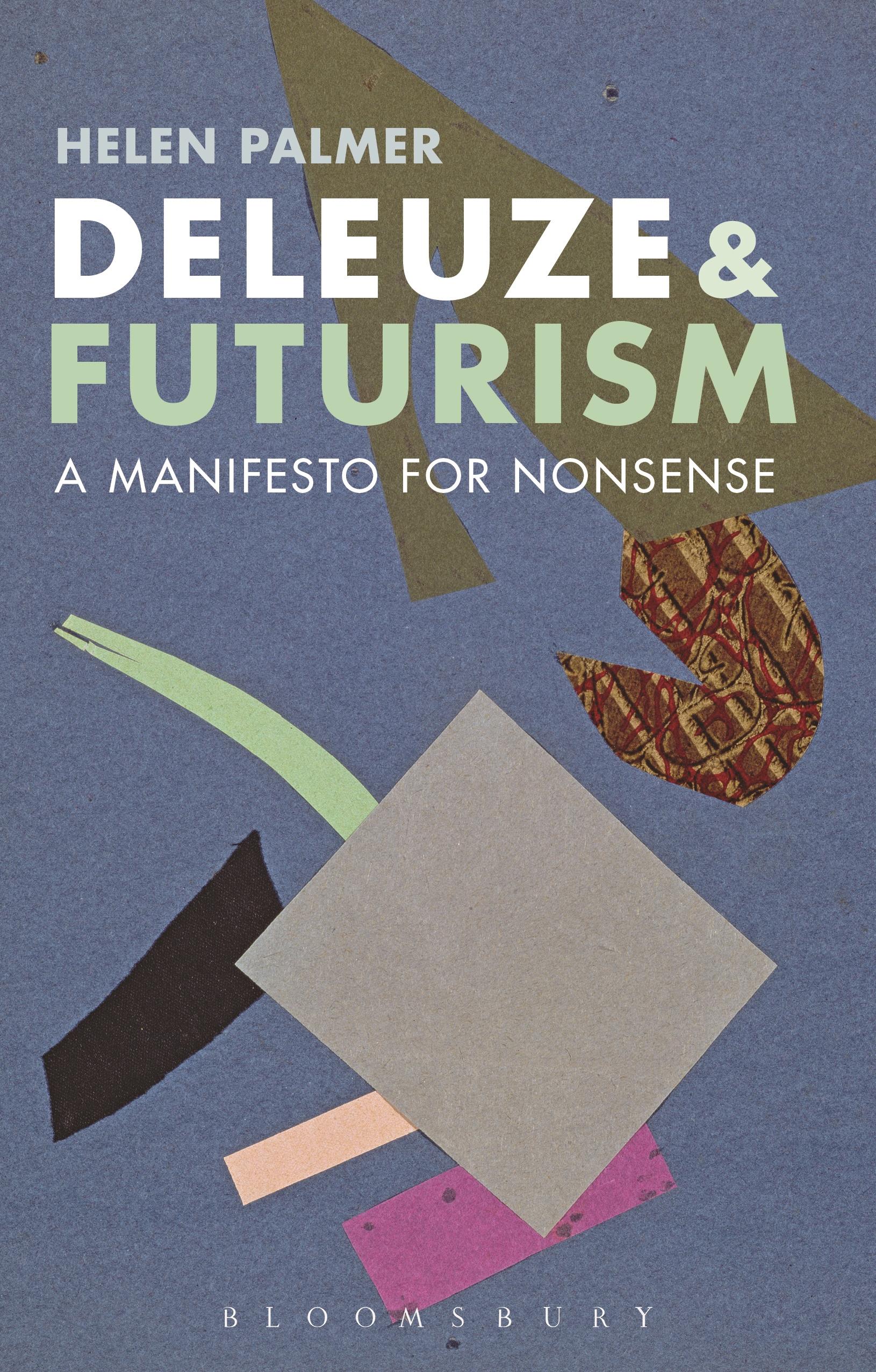
This book is an original exploration of Deleuze's dynamic philosophies of space, time and language, bringing Deleuze and futurism together for the first time. Helen Palmer investigates both the potential for creative novelty and the pitfalls of formalism within both futurist and Deleuzian linguistic practices. Through creative and rigorous analyses of Russian and Italian futurist manifestos, the 'futurist' aspects of Deleuze's language and thought are drawn out.
The genre of the futurist manifesto is a literary and linguistic model which can be applied to Deleuze's work, not only at times when he writes explicitly in the style of a manifesto but also in his earlier writings such as Difference and Repetition (1968) and The Logic of Sense (1969). The way in which avant-garde manifestos often attempt to perform and demand their aims simultaneously, and the problems which arise due to this, is an operation which can be perceived in Deleuze's writing. With a particular focus on Russian zaum, the book negotiates the philosophy behind futurist 'nonsense' language and how Deleuze propounds analogous goals in The Logic of Sense. This book critically engages with Deleuze's poetics, ultimately suggesting that multiple linguistic models operate synecdochically within his philosophy.
The genre of the futurist manifesto is a literary and linguistic model which can be applied to Deleuze's work, not only at times when he writes explicitly in the style of a manifesto but also in his earlier writings such as Difference and Repetition (1968) and The Logic of Sense (1969). The way in which avant-garde manifestos often attempt to perform and demand their aims simultaneously, and the problems which arise due to this, is an operation which can be perceived in Deleuze's writing. With a particular focus on Russian zaum, the book negotiates the philosophy behind futurist 'nonsense' language and how Deleuze propounds analogous goals in The Logic of Sense. This book critically engages with Deleuze's poetics, ultimately suggesting that multiple linguistic models operate synecdochically within his philosophy.
Betaal eenvoudig met kaart, Klarna, Apple Pay of Google Pay. Niet tevreden? Je hebt altijd 14 dagen bedenktijd. Lees meer in onze voorwaarden. Heb je vragen, mail ons dan via hello@memmo.org.
Memmo maakt studeren makkelijker – waar je ook bent ter wereld. Wij brengen je cursusboeken en slimme studietools samen op één plek: samenvattingen, quizzen, podcasts en flashcards. En Ted, je studievriend die antwoord geeft op alles wat je je afvraagt. Meer dan 50.000 studenten studeren hier al – gebouwd om je sneller te laten leren en minder stress te geven.