
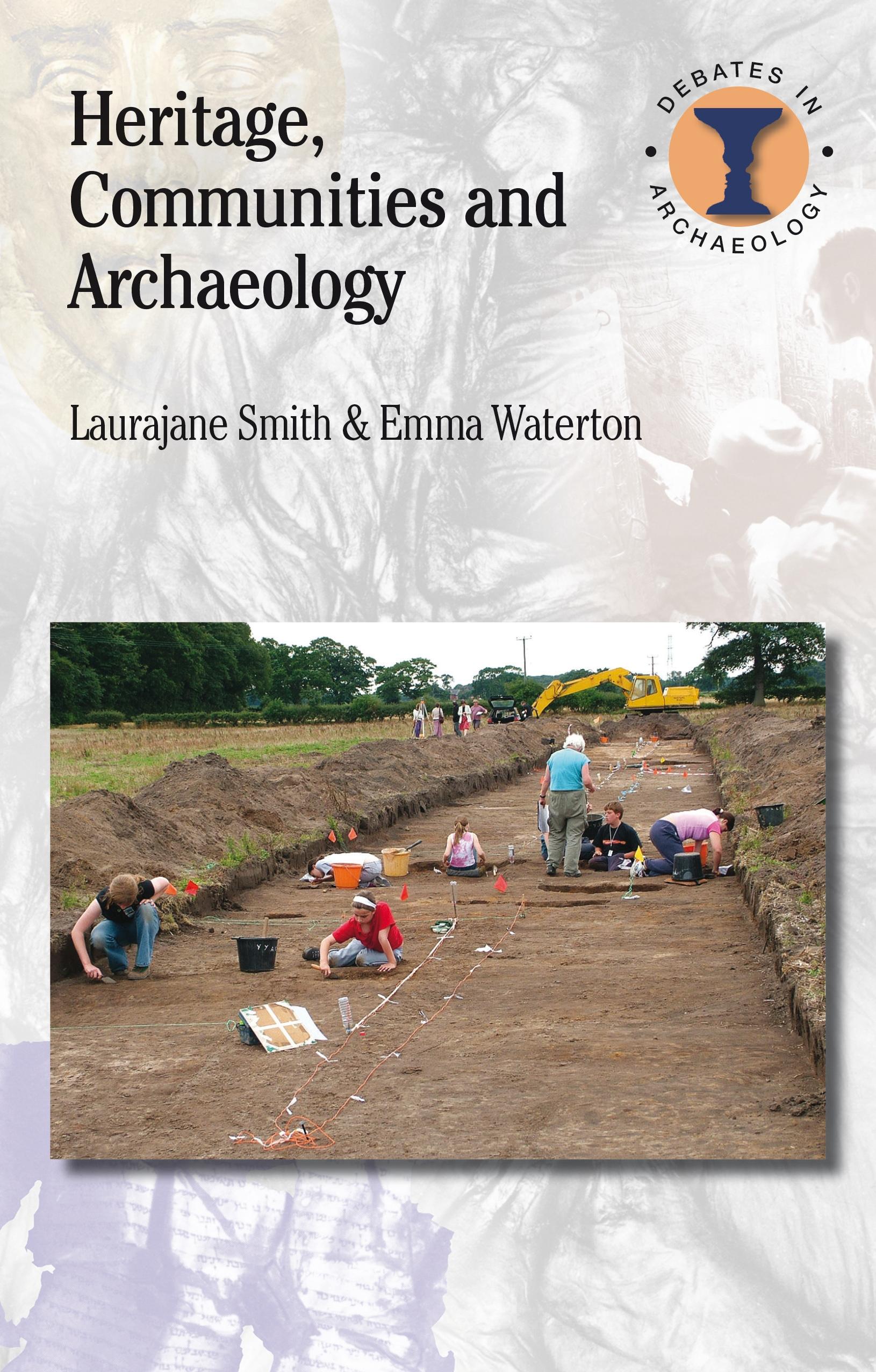
This book traces the development of 'community archaeology', identifying both its advantages and disadvantages by describing how and why tensions have arisen between archaeological and community understandings of the past. The focus of this book is the conceptual disjunction between heritage and data and the problems this poses for both archaeologists and communities in communicating and engaging with each other. In order to explain the extent of the miscommunication that can occur, the authors examine the ways in which a range of community groups, including communities of expertise, define and negotiate memory and identity. Importantly, they explore the ways in which these expressions are used, or are taken up, in struggles over cultural recognition - and ultimately, the practical, ethical, political and theoretical implications this has for archaeologists engaging in community work. Finally, they argue that there are very real advantages for archaeological research, theory and practice to be gained from engaging with communities.
Betaal eenvoudig met kaart, Klarna, Apple Pay of Google Pay. Niet tevreden? Je hebt altijd 14 dagen bedenktijd. Lees meer in onze voorwaarden. Heb je vragen, mail ons dan via hello@memmo.org.
Memmo maakt studeren makkelijker – waar je ook bent ter wereld. Wij brengen je cursusboeken en slimme studietools samen op één plek: samenvattingen, quizzen, podcasts en flashcards. En Ted, je studievriend die antwoord geeft op alles wat je je afvraagt. Meer dan 50.000 studenten studeren hier al – gebouwd om je sneller te laten leren en minder stress te geven.