
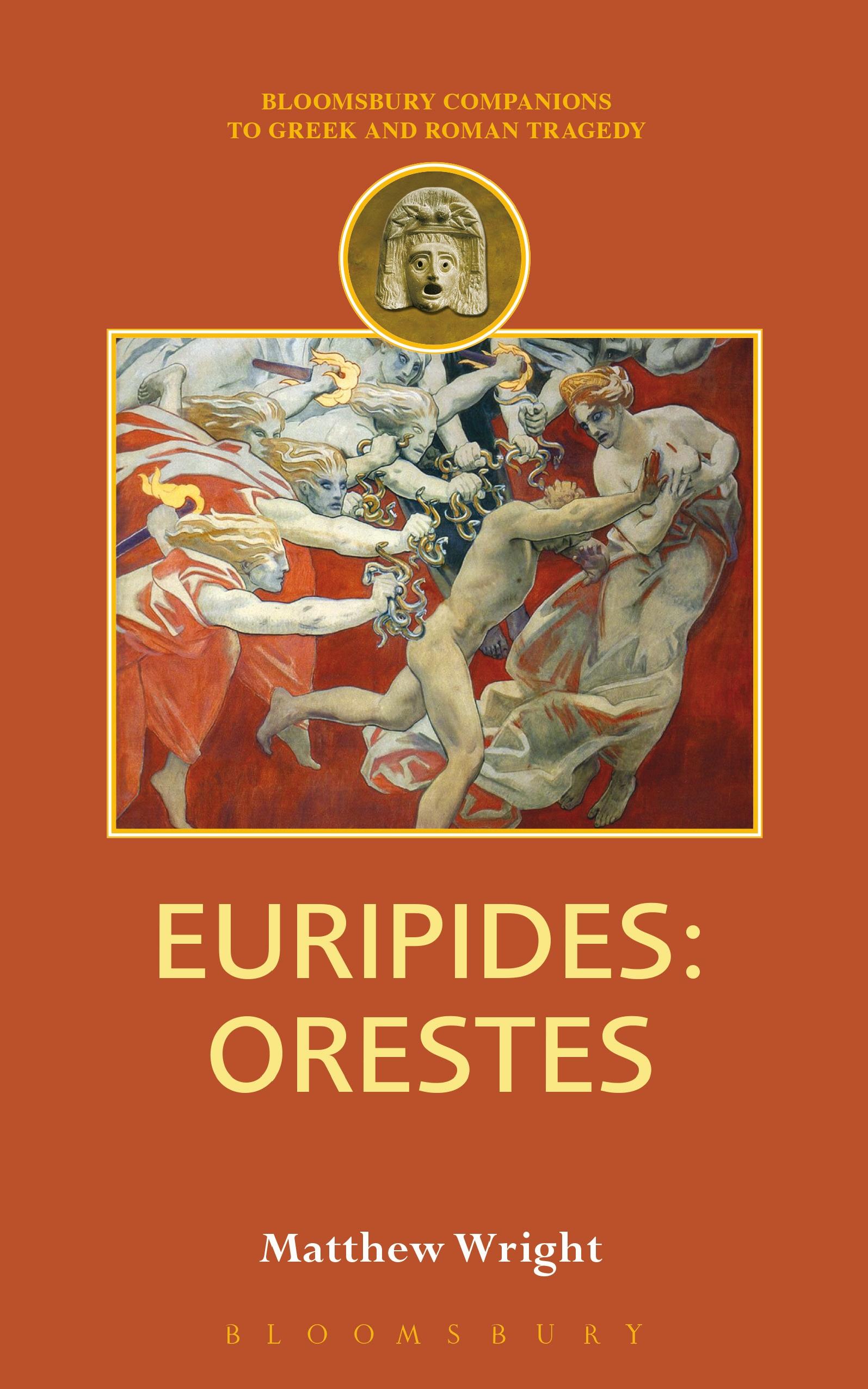
"Orestes" was one of Euripides' most popular plays in antiquity. Its plot, which centres on Orestes' murder of his mother Clytemnestra and its aftermath, is exciting as well as morally complex; its presentation of madness is unusually intense and disturbing; it deals with politics in a way which has resonances for both ancient and modern democracies; and, it has a brilliantly unexpected and ironic ending. Nevertheless, "Orestes" is not much read or performed in modern times. Why should this be so? Perhaps it is because "Orestes" does not conform to modern audiences' expectations of what a 'Greek tragedy' should be. This book makes "Orestes" accessible to modern readers and performers by explicitly acknowledging the gap between ancient and modern ideas of tragedy. If we are to appreciate what is unusual about the play, we have to think in terms of its impact on its original audience. What did they expect from a tragedy, and what would they have made of "Orestes"?
Betaal eenvoudig met kaart, Klarna, Apple Pay of Google Pay. Niet tevreden? Je hebt altijd 14 dagen bedenktijd. Lees meer in onze voorwaarden. Heb je vragen, mail ons dan via hello@memmo.org.
Memmo maakt studeren makkelijker – waar je ook bent ter wereld. Wij brengen je cursusboeken en slimme studietools samen op één plek: samenvattingen, quizzen, podcasts en flashcards. En Ted, je studievriend die antwoord geeft op alles wat je je afvraagt. Meer dan 50.000 studenten studeren hier al – gebouwd om je sneller te laten leren en minder stress te geven.