
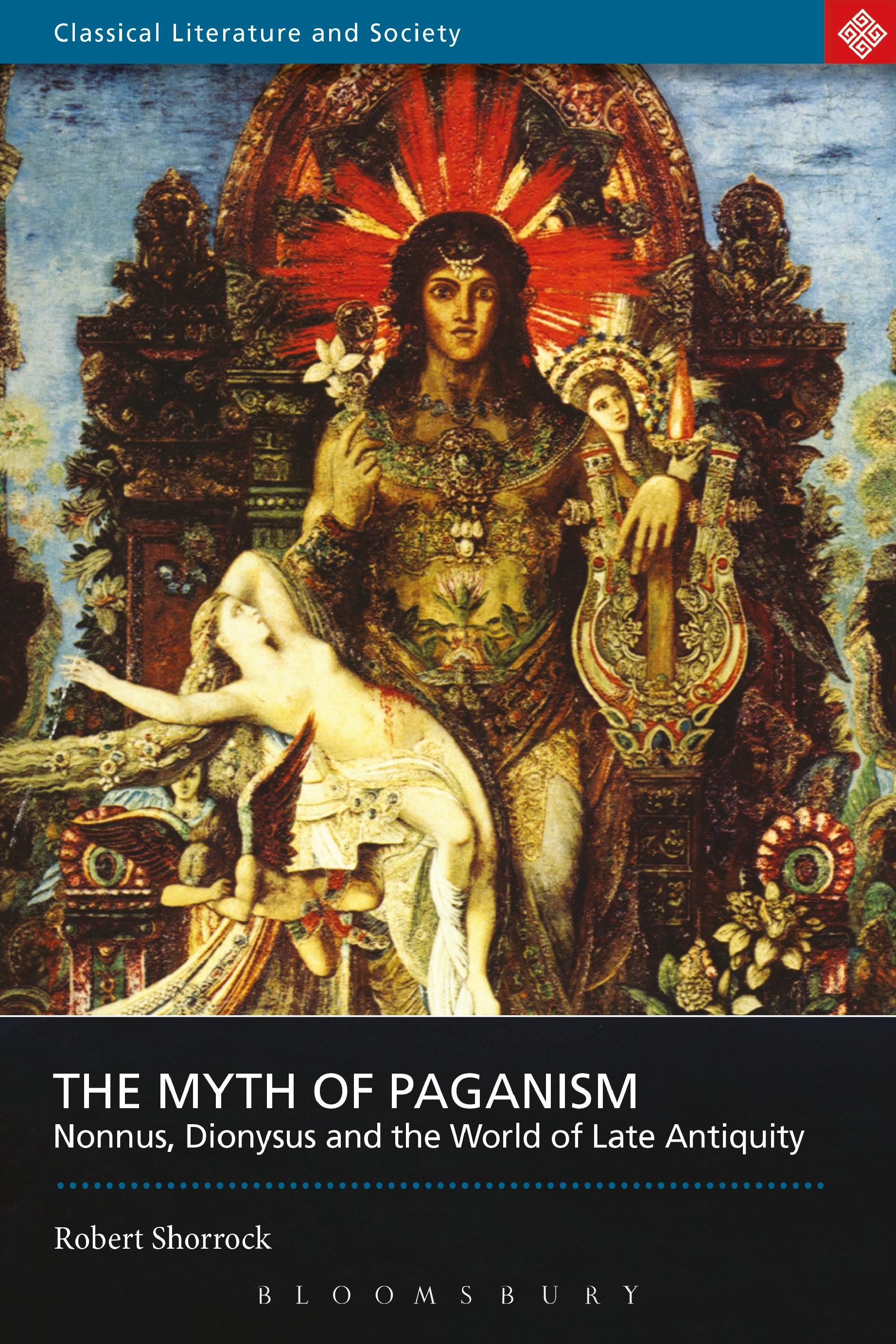
Traditional and still prevalent accounts of late antique literature draw a clear distinction between 'pagan' and 'Christian' forms of poetry: whereas Christian poetry is taken seriously in terms its contribution to culture and society at large, so-called pagan or secular poetry is largely ignored, as though it has no meaningful part to play within the late antique world. The Myth of Paganism sets out to deconstruct this view of two contrasting poetic traditions and proposes in its place a new integrated model for the understanding of late antique poetry. As the book argues, the poet of Christ and the poet of the Muses were drawn together into an active, often provocative, dialogue about the relationship between Christianity and the Classical tradition and, ultimately, about the meaning of late antiquity itself. An analysis of the poetry of Nonnus of Panopolis, author of both a 'pagan' epic about Dionysus and a Christian translation of St John's Gospel, helps to illustrate this complex dialectic between pagan and Christian voices.
Betaal eenvoudig met kaart, Klarna, Apple Pay of Google Pay. Niet tevreden? Je hebt altijd 14 dagen bedenktijd. Lees meer in onze voorwaarden. Heb je vragen, mail ons dan via hello@memmo.org.
Memmo maakt studeren makkelijker – waar je ook bent ter wereld. Wij brengen je cursusboeken en slimme studietools samen op één plek: samenvattingen, quizzen, podcasts en flashcards. En Ted, je studievriend die antwoord geeft op alles wat je je afvraagt. Meer dan 50.000 studenten studeren hier al – gebouwd om je sneller te laten leren en minder stress te geven.