
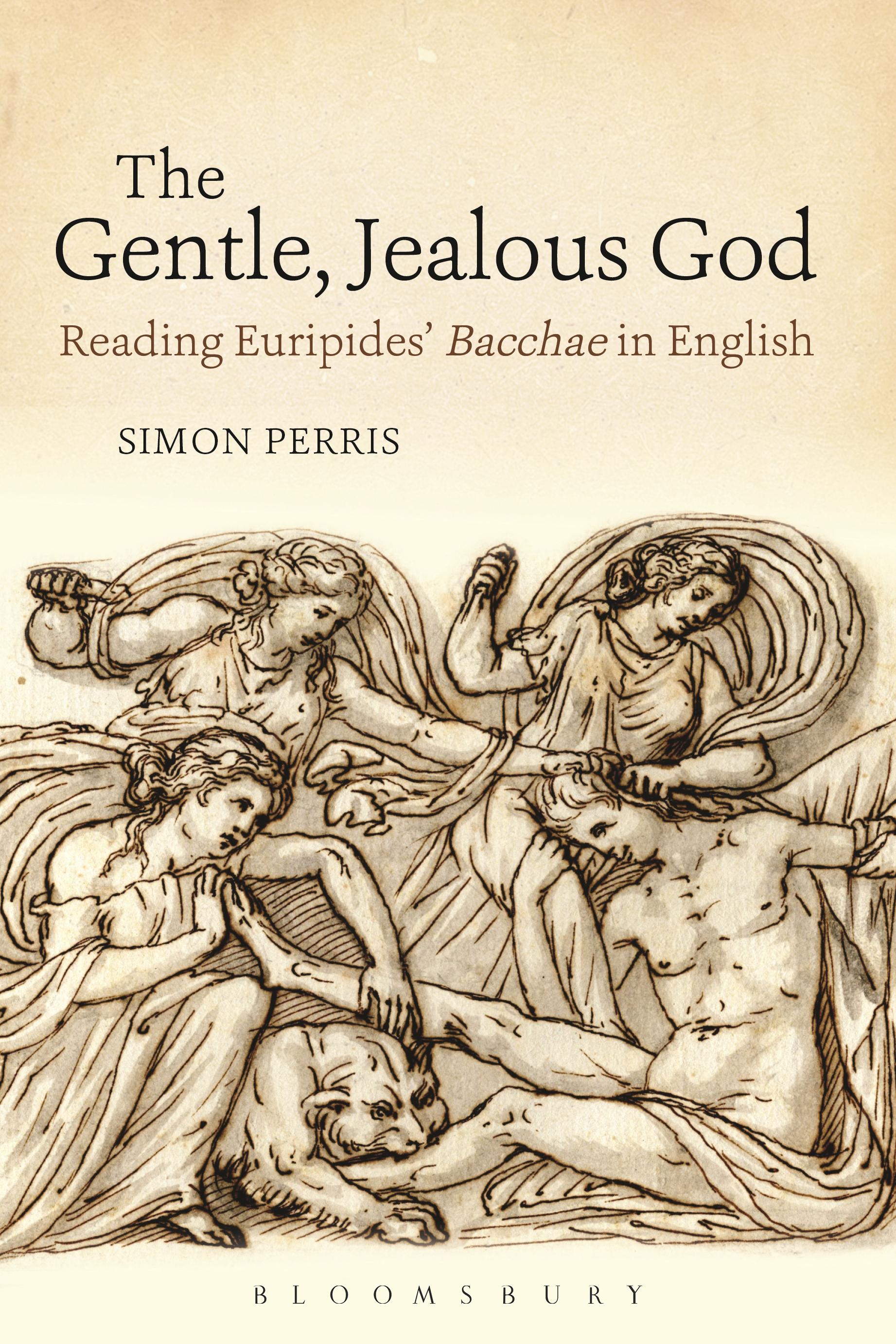
Euripides' Bacchae is the magnum opus of the ancient world's most popular dramatist and the most modern, perhaps postmodern, of Greek tragedies. Twentieth-century poets and playwrights have often turned their hand to Bacchae, leaving the play with an especially rich and varied translation history. It has also been subjected to several fashions of criticism and interpretation over the years, all reflected in, influencing, and influenced by translation. The Gentle, Jealous God introduces the play and surveys its wider reception; examines a selection of English translations from the early 20th century to the early 21st, setting them in their social, intellectual, and cultural context; and argues, finally, that Dionysus and Bacchae remain potent cultural symbols even now.
Simon Perris presents a fascinating cultural history of one of world theatre's landmark classics. He explores the reception of Dionysus, Bacchae, and the classical ideal in a violent and turmoil-ridden era. And he demonstrates by example that translation matters, or should matter, to readers, writers, actors, directors, students, and scholars of ancient drama.
Simon Perris presents a fascinating cultural history of one of world theatre's landmark classics. He explores the reception of Dionysus, Bacchae, and the classical ideal in a violent and turmoil-ridden era. And he demonstrates by example that translation matters, or should matter, to readers, writers, actors, directors, students, and scholars of ancient drama.
Betaal eenvoudig met kaart, Klarna, Apple Pay of Google Pay. Niet tevreden? Je hebt altijd 14 dagen bedenktijd. Lees meer in onze voorwaarden. Heb je vragen, mail ons dan via hello@memmo.org.
Memmo maakt studeren makkelijker – waar je ook bent ter wereld. Wij brengen je cursusboeken en slimme studietools samen op één plek: samenvattingen, quizzen, podcasts en flashcards. En Ted, je studievriend die antwoord geeft op alles wat je je afvraagt. Meer dan 50.000 studenten studeren hier al – gebouwd om je sneller te laten leren en minder stress te geven.