
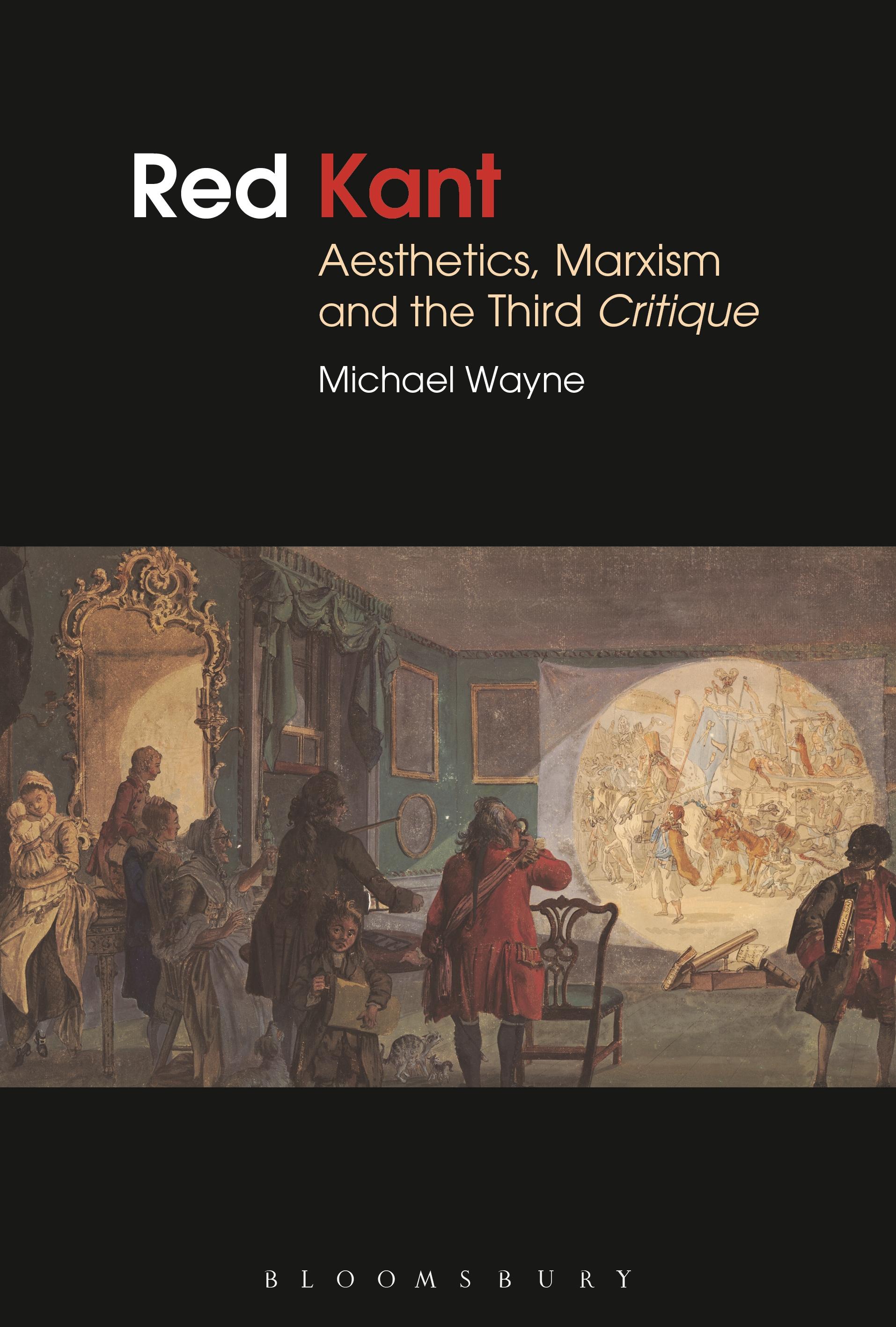
Is Kant really the 'bourgeois' philosopher that his advocates and opponents take him to be?
In this bold and original re-thinking of Kant, Michael Wayne argues that with his aesthetic turn in the Third Critique, Kant broke significantly from the problematic philosophical structure of the Critique of Pure Reason. Through his philosophy of the aesthetic Kant begins to circumnavigate the dualities in his thought. In so doing he shows us today how the aesthetic is a powerful means for imagining our way past the apparent universality of contemporary capitalism.
Here is an unfamiliar Kant: his concepts of beauty and the sublime are reinterpreted as attempts to socialise the aesthetic while Wayne reconstructs the usually hidden genealogy between Kant and important Marxist concepts such as totality, dialectics, mediation and even production. In materialising Kant's philosophy, this book simultaneously offers a Marxist defence of creativity and imagination grounded in our power to think metaphorically and in Kant's concept of reflective judgment. Wayne also critiques aspects of Marxist cultural theory that have not accorded the aesthetic the relative autonomy and specificity which it is due.
Discussing such thinkers as Adorno, Bourdieu, Colletti, Eagleton, Lukács, Ranciére and others, Red Kant: Aesthetics, Marxism and the Third Critique presents a new reading of Kant's Third Critique that challenges Marxist and mainstream assessments of Kant alike.
In this bold and original re-thinking of Kant, Michael Wayne argues that with his aesthetic turn in the Third Critique, Kant broke significantly from the problematic philosophical structure of the Critique of Pure Reason. Through his philosophy of the aesthetic Kant begins to circumnavigate the dualities in his thought. In so doing he shows us today how the aesthetic is a powerful means for imagining our way past the apparent universality of contemporary capitalism.
Here is an unfamiliar Kant: his concepts of beauty and the sublime are reinterpreted as attempts to socialise the aesthetic while Wayne reconstructs the usually hidden genealogy between Kant and important Marxist concepts such as totality, dialectics, mediation and even production. In materialising Kant's philosophy, this book simultaneously offers a Marxist defence of creativity and imagination grounded in our power to think metaphorically and in Kant's concept of reflective judgment. Wayne also critiques aspects of Marxist cultural theory that have not accorded the aesthetic the relative autonomy and specificity which it is due.
Discussing such thinkers as Adorno, Bourdieu, Colletti, Eagleton, Lukács, Ranciére and others, Red Kant: Aesthetics, Marxism and the Third Critique presents a new reading of Kant's Third Critique that challenges Marxist and mainstream assessments of Kant alike.
Betaal eenvoudig met kaart, Klarna, Apple Pay of Google Pay. Niet tevreden? Je hebt altijd 14 dagen bedenktijd. Lees meer in onze voorwaarden. Heb je vragen, mail ons dan via hello@memmo.org.
Memmo maakt studeren makkelijker – waar je ook bent ter wereld. Wij brengen je cursusboeken en slimme studietools samen op één plek: samenvattingen, quizzen, podcasts en flashcards. En Ted, je studievriend die antwoord geeft op alles wat je je afvraagt. Meer dan 50.000 studenten studeren hier al – gebouwd om je sneller te laten leren en minder stress te geven.