
Winner of the Tianjin Social Science Outstanding Achievement Award.
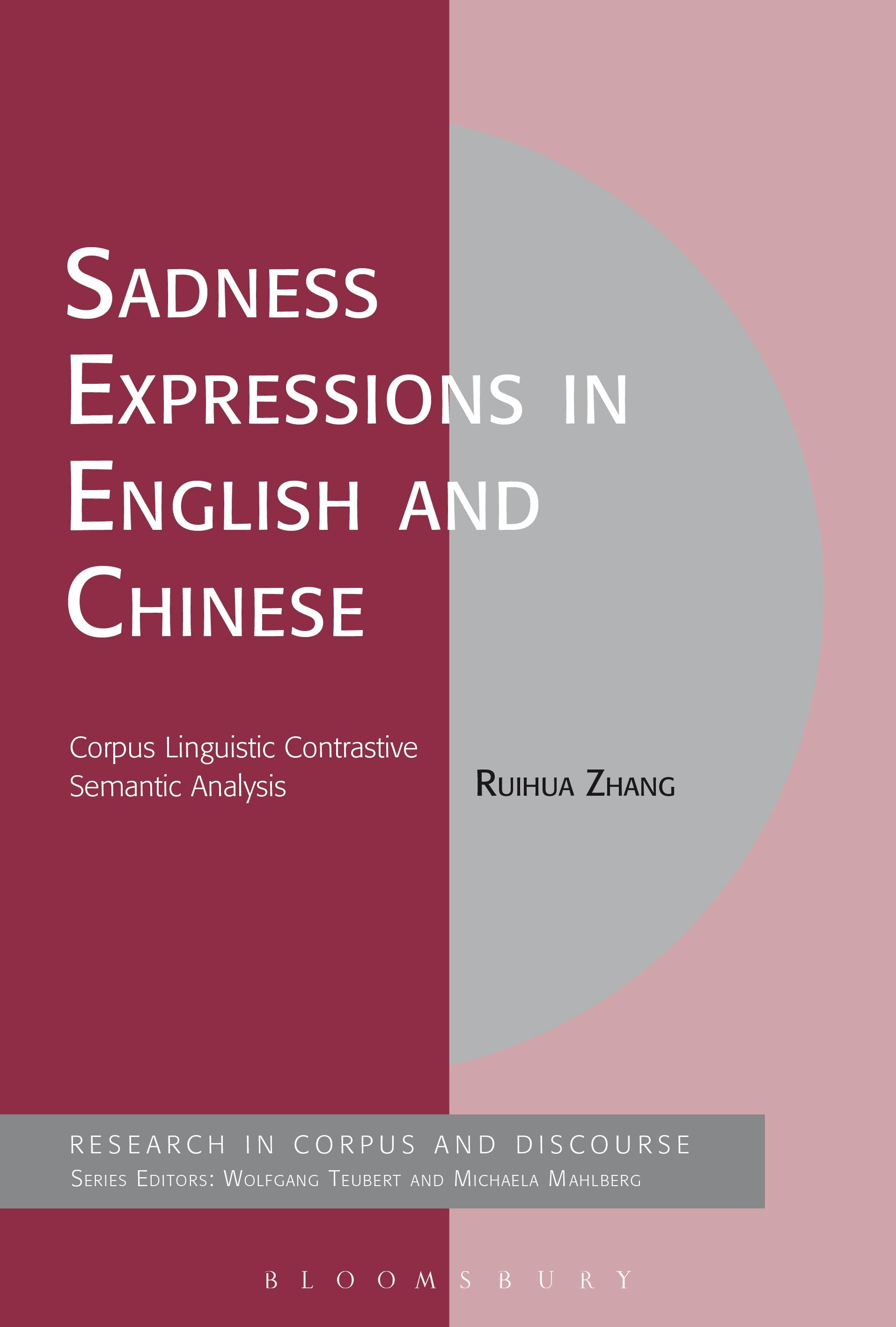
This book reports on the contrastive-semantic investigation of sadness expressions between English and Chinese, based on two monolingual general corpora and a parallel corpus. The exploration adopts a unique theoretical approach which integrates corpus-linguistic theories on meaning (as a social construct, usage and paraphrase) with a corpus-linguistic lexical model. It employs a new complex but workable methodology which combines computational tools with manual examination to tease meaning out of corpus evidence, to compare and contrast lexical items that do not match up neatly between languages. It looks at sadness expressions both within and across languages in terms of three corpus-linguistic structural categories, i.e. colligation, collocation and semantic association/preference, and paraphrase (both explicit and implicit) to capture their subtle nuances of meaning, disclose the culture-specific conceptualisations encoded in them, and highlight their respective cultural distinctiveness of emotion.
By presenting multidisciplinary original work, Sadness Expressions in English and Chinese will be of interest to researchers in corpus linguistics, contrastive lexical semantics, psychology, bilingual lexicography and language pedagogy.
This book reports on the contrastive-semantic investigation of sadness expressions between English and Chinese, based on two monolingual general corpora and a parallel corpus. The exploration adopts a unique theoretical approach which integrates corpus-linguistic theories on meaning (as a social construct, usage and paraphrase) with a corpus-linguistic lexical model. It employs a new complex but workable methodology which combines computational tools with manual examination to tease meaning out of corpus evidence, to compare and contrast lexical items that do not match up neatly between languages. It looks at sadness expressions both within and across languages in terms of three corpus-linguistic structural categories, i.e. colligation, collocation and semantic association/preference, and paraphrase (both explicit and implicit) to capture their subtle nuances of meaning, disclose the culture-specific conceptualisations encoded in them, and highlight their respective cultural distinctiveness of emotion.
By presenting multidisciplinary original work, Sadness Expressions in English and Chinese will be of interest to researchers in corpus linguistics, contrastive lexical semantics, psychology, bilingual lexicography and language pedagogy.
Betaal eenvoudig met kaart, Klarna, Apple Pay of Google Pay. Niet tevreden? Je hebt altijd 14 dagen bedenktijd. Lees meer in onze voorwaarden. Heb je vragen, mail ons dan via hello@memmo.org.
Memmo maakt studeren makkelijker – waar je ook bent ter wereld. Wij brengen je cursusboeken en slimme studietools samen op één plek: samenvattingen, quizzen, podcasts en flashcards. En Ted, je studievriend die antwoord geeft op alles wat je je afvraagt. Meer dan 50.000 studenten studeren hier al – gebouwd om je sneller te laten leren en minder stress te geven.