
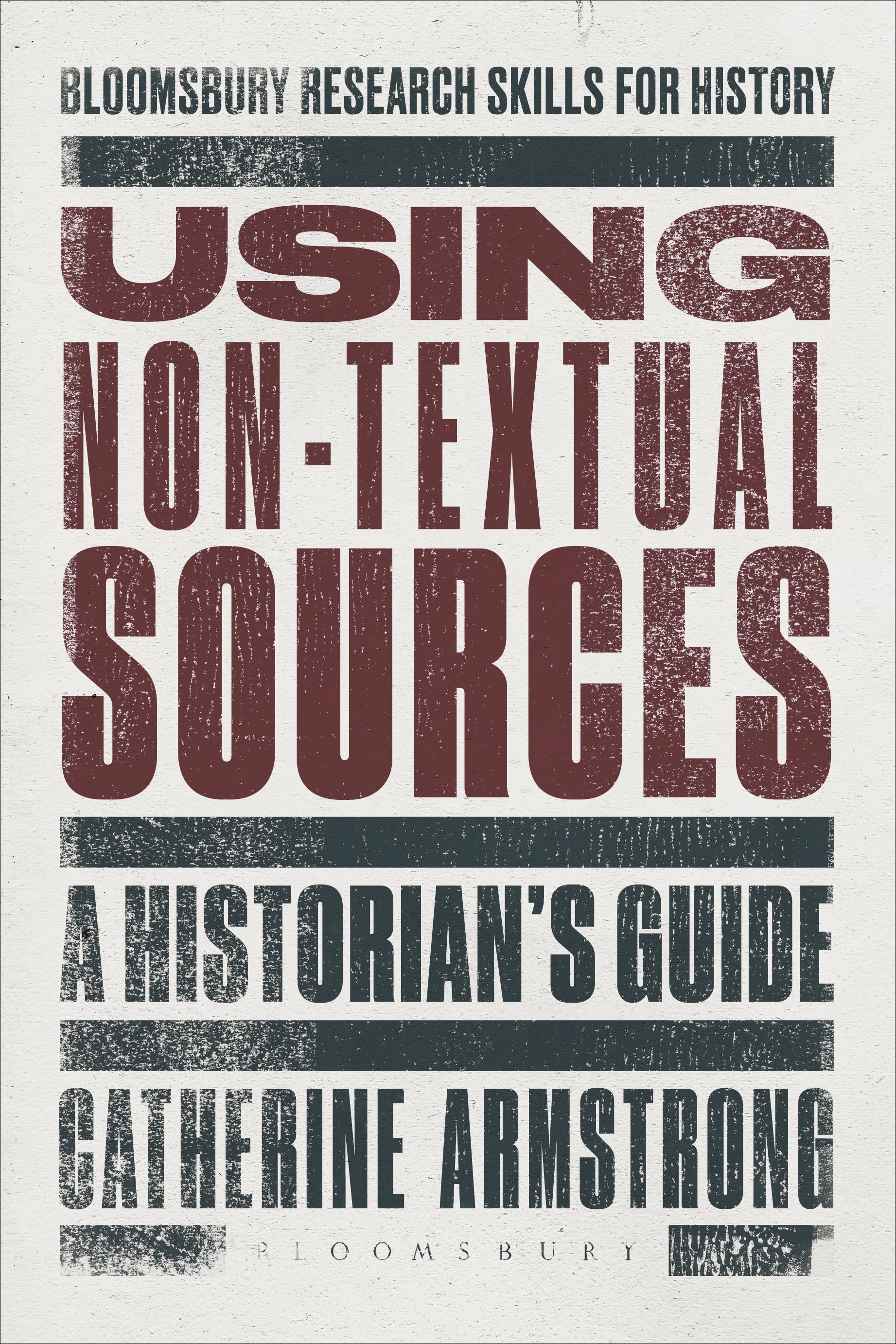
Using Non-Textual Sources provides history students with the theoretical background and skills to interpret non-textual sources. It introduces the full range of non-textual sources used by historians and offers practical guidance on how to interpret them and incorporate them into essays and dissertations. In addition to this, the book posits a theoretical framework that justifies the use of these items as historical sources and explains how they can be used to further understand the past.
There is coverage of the creation, production and distribution of non-textual sources; the acquisition of skills to 'read' these sources analytically; and the meaning, significance and reliability of these forms of evidence. Using Non-Textual Sources includes a section on interdisciplinary non-textual source work, outlining what historians borrow from disciplines such as art history, archaeology, geography and media studies, as well as a discussion of how to locate these resources online and elsewhere in order to use them in essays and dissertations.
Case studies, such as the Tudor religious propaganda painting Edward VI and the Pope, the 1954 John Ford Western The Searchers and the Hereford Mappa Mundi, are employed throughout to illustrate the functions of main source types. Photographs, cartoons, maps, artwork, audio clips, film, places and artifacts are all explored in a text that provides students with a comprehensive, cohesive and practical guide to using non-textual sources.
There is coverage of the creation, production and distribution of non-textual sources; the acquisition of skills to 'read' these sources analytically; and the meaning, significance and reliability of these forms of evidence. Using Non-Textual Sources includes a section on interdisciplinary non-textual source work, outlining what historians borrow from disciplines such as art history, archaeology, geography and media studies, as well as a discussion of how to locate these resources online and elsewhere in order to use them in essays and dissertations.
Case studies, such as the Tudor religious propaganda painting Edward VI and the Pope, the 1954 John Ford Western The Searchers and the Hereford Mappa Mundi, are employed throughout to illustrate the functions of main source types. Photographs, cartoons, maps, artwork, audio clips, film, places and artifacts are all explored in a text that provides students with a comprehensive, cohesive and practical guide to using non-textual sources.
Pagina's: 192
Categorie: Vetenskapsteori och forskningsmetod
e-ISBN: 9781472505712
Verzendgewicht: 1.2 kg
Verzending binnen: 1-2 dagen
Betaal eenvoudig met kaart, Klarna, Apple Pay of Google Pay. Niet tevreden? Je hebt altijd 14 dagen bedenktijd. Lees meer in onze voorwaarden. Heb je vragen, mail ons dan via hello@memmo.org.
Memmo maakt studeren makkelijker – waar je ook bent ter wereld. Wij brengen je cursusboeken en slimme studietools samen op één plek: samenvattingen, quizzen, podcasts en flashcards. En Ted, je studievriend die antwoord geeft op alles wat je je afvraagt. Meer dan 50.000 studenten studeren hier al – gebouwd om je sneller te laten leren en minder stress te geven.