
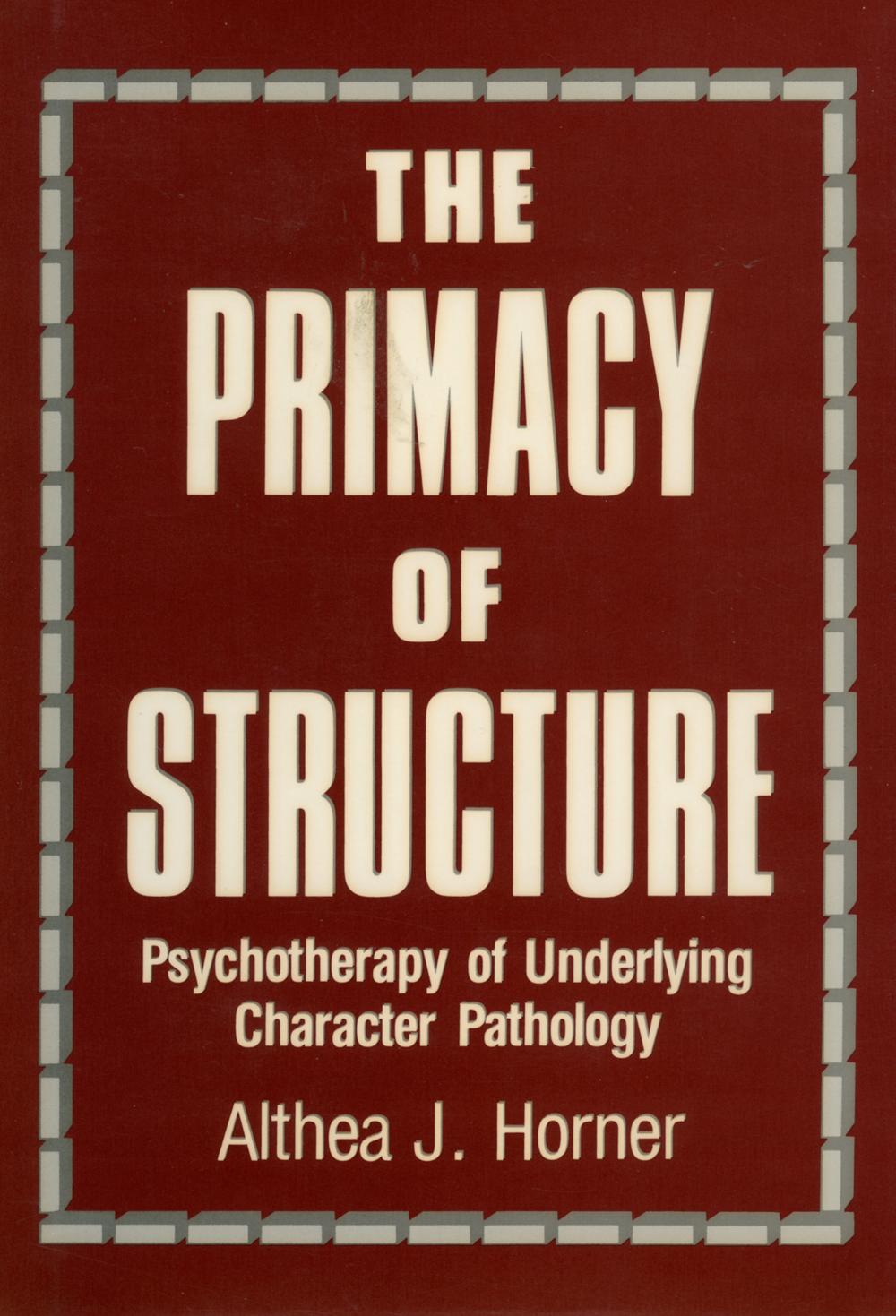
In "The Primacy of Structure" Althea Horner argues that effective psychotherapeutic intervention depends on the understanding of clinical symptoms in terms of the patient's underlying character structure. For example, obsessive behavior that functions to hold together a fragile, inadequately integrated self must be distinguished from obsessive behavior that defends against awareness of guilt and anxiety. In evaluating patients, Dr Horner asks herself whether he or she was well integrated and well differentiated before the presenting complaint, or a borderline individual already at risk. These facts are critical for the patient's therapy. In Part I Dr Horner discusses the development of character, in Part II character pathology, and in Part III the treatment of character pathology. Mental health professionals will find this a useful guide to psychotherapy of the character problems that lie behind their patients' presenting symptoms.
Betaal eenvoudig met kaart, Klarna, Apple Pay of Google Pay. Niet tevreden? Je hebt altijd 14 dagen bedenktijd. Lees meer in onze voorwaarden. Heb je vragen, mail ons dan via hello@memmo.org.
Memmo maakt studeren makkelijker – waar je ook bent ter wereld. Wij brengen je cursusboeken en slimme studietools samen op één plek: samenvattingen, quizzen, podcasts en flashcards. En Ted, je studievriend die antwoord geeft op alles wat je je afvraagt. Meer dan 50.000 studenten studeren hier al – gebouwd om je sneller te laten leren en minder stress te geven.