
As well as fulfilling a functional need, furniture has always been an index of status. From the throne of Tutankhamen or the bed of State of Louis XIV to the austere Shaker chest or the Charles Eames chair and later modern pieces from Europe, the Far East and the United States, the style of each piece tells much about the outlook of the makers and the needs and skills of the time.
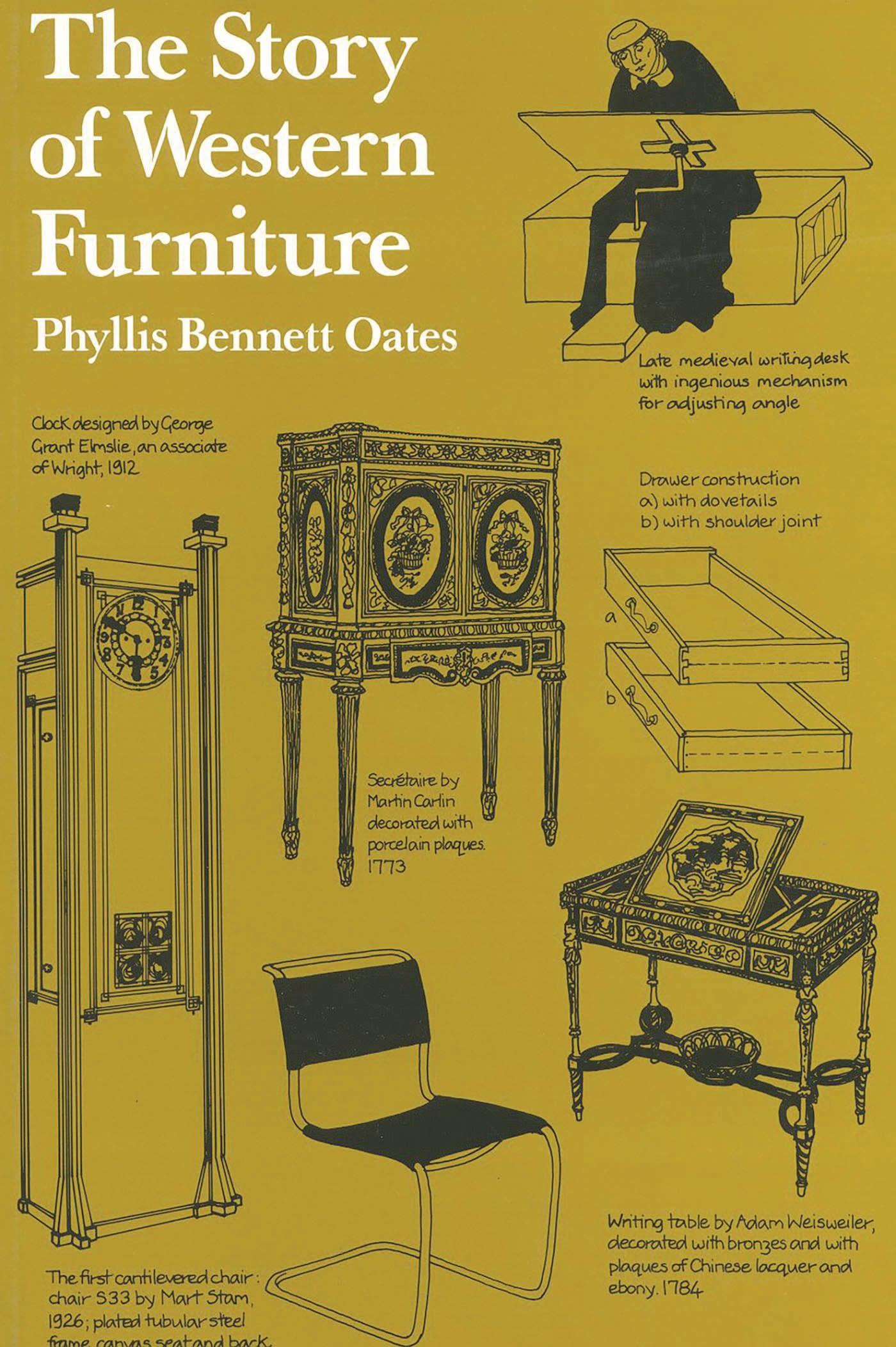
This absorbing history traces the development of furniture design and production, from the days of ancient Egypt to the present, describing what articles were made in each period, how they were made, and what were the social and economic conditions that affected style and finish. The author discusses techniques such as joinery, turning, veneering, marquetry, polishing, upholstery, bentwood work and lamination. Many examples are shown in the illustrations, which are invaluable recognition sources and a lively visual accompaniment to the text.
This absorbing history traces the development of furniture design and production, from the days of ancient Egypt to the present, describing what articles were made in each period, how they were made, and what were the social and economic conditions that affected style and finish. The author discusses techniques such as joinery, turning, veneering, marquetry, polishing, upholstery, bentwood work and lamination. Many examples are shown in the illustrations, which are invaluable recognition sources and a lively visual accompaniment to the text.
Betaal eenvoudig met kaart, Klarna, Apple Pay of Google Pay. Niet tevreden? Je hebt altijd 14 dagen bedenktijd. Lees meer in onze voorwaarden. Heb je vragen, mail ons dan via hello@memmo.org.
Memmo maakt studeren makkelijker – waar je ook bent ter wereld. Wij brengen je cursusboeken en slimme studietools samen op één plek: samenvattingen, quizzen, podcasts en flashcards. En Ted, je studievriend die antwoord geeft op alles wat je je afvraagt. Meer dan 50.000 studenten studeren hier al – gebouwd om je sneller te laten leren en minder stress te geven.