
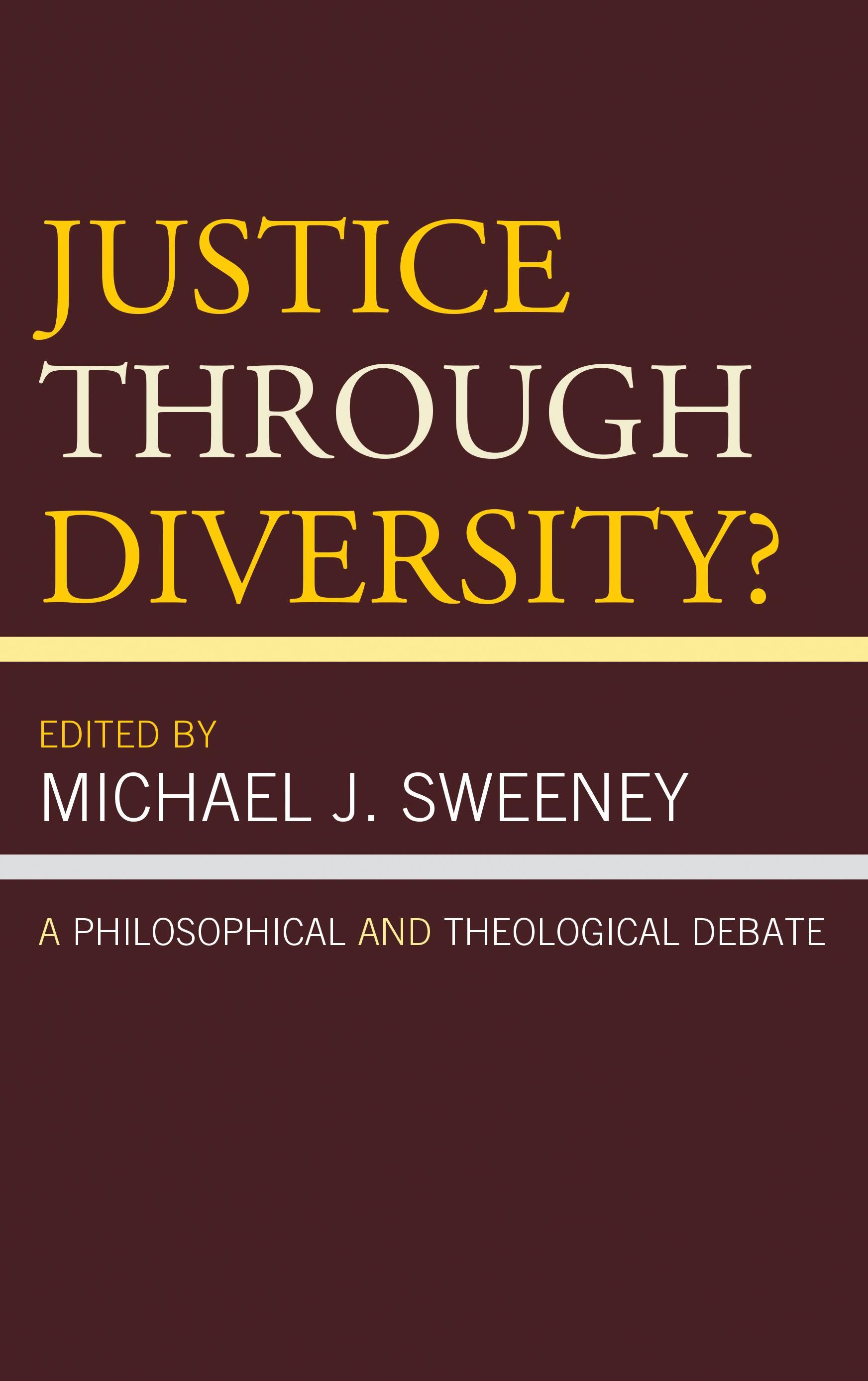
Arguably the most transformative force in contemporary society is the commitment to justice through diversity. A prime example is the change justice through diversity has wrought on who enters, teaches and administers the university. It has changed the content of what is taught and the mission statements that define the purpose of higher education. What is rarely defined, however, is justice and how it is related to diversity. If justice is equality, are all differences equal? Are all differences in race, gender, sexual orientation, national origin, ethnicity, religion and culture equal? Should such differences be weighted differently and thus hierarchically? On what basis are those differences to be weighted and ranked to ensure equality? Justice Through Diversity brings together a Who’s Who of contemporary scholars to explore these questions and others in an attempt to understand one of the central commitments in the modern world.
Betaal eenvoudig met kaart, Klarna, Apple Pay of Google Pay. Niet tevreden? Je hebt altijd 14 dagen bedenktijd. Lees meer in onze voorwaarden. Heb je vragen, mail ons dan via hello@memmo.org.
Memmo maakt studeren makkelijker – waar je ook bent ter wereld. Wij brengen je cursusboeken en slimme studietools samen op één plek: samenvattingen, quizzen, podcasts en flashcards. En Ted, je studievriend die antwoord geeft op alles wat je je afvraagt. Meer dan 50.000 studenten studeren hier al – gebouwd om je sneller te laten leren en minder stress te geven.