
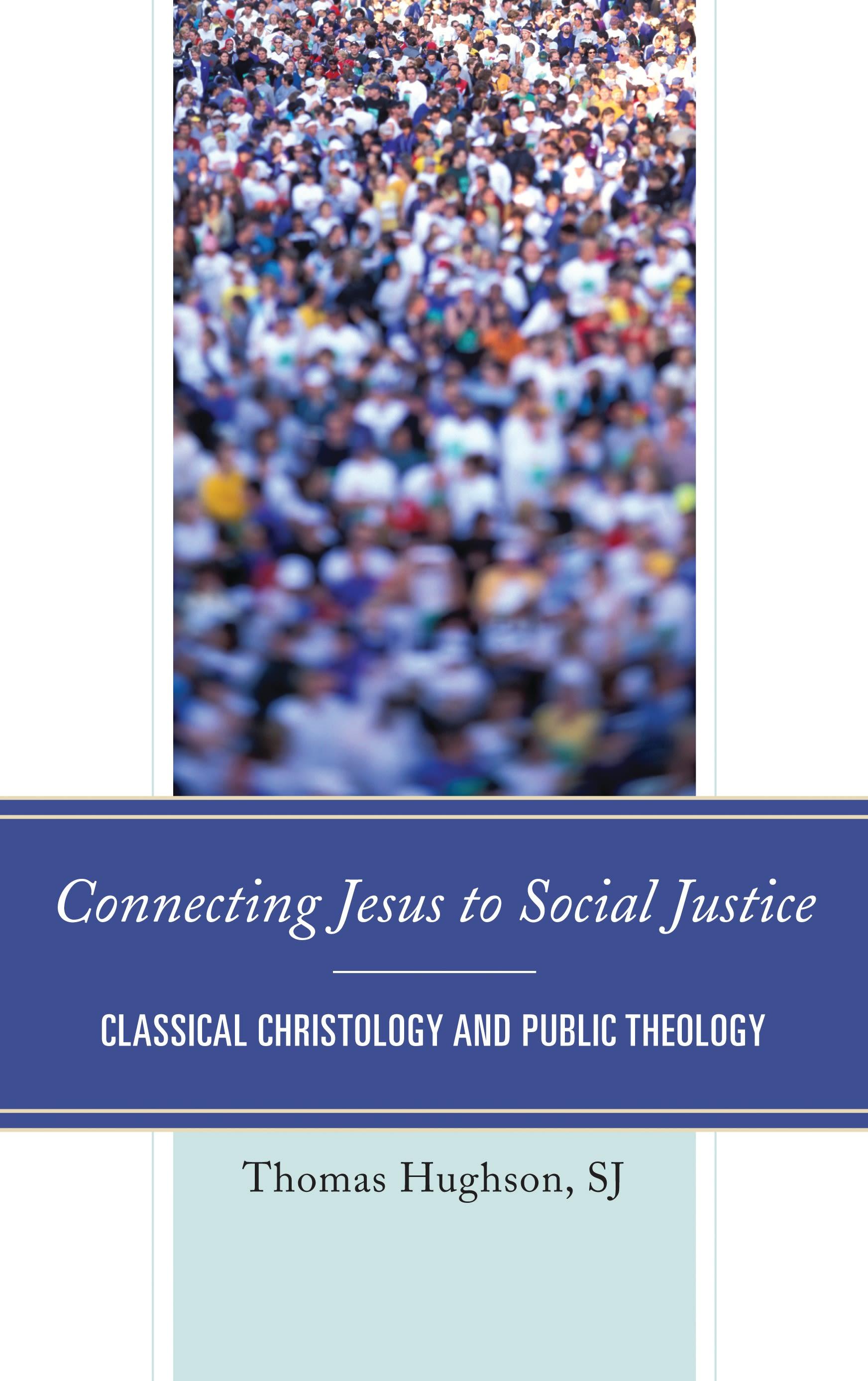
Many Christians see the societal dimension of their faith as a matter of biblical and social ethics. Returning to classical Christology, Connecting Jesus to Social Justice explores messianic potential in the Council of Chalcedon on the divine identity of Christ.
Who Jesus is makes all the difference to Christian entrance into the public sphere on behalf of a just society. The Messiah’s divinity bears on social mission directed toward a just social order. Theological appropriation of Chalcedon overcomes a gap between the professing the Creed and interpreting social existence in light of a just social order. Connecting Jesus to Social Justice argues a doctrinally traditional, orthodox basis for Christian participation in the public sphere on behalf of social justice.
The book addresses a situation internal to churches in the U.S. from a Catholic perspective yet not without analogies in other churches and Christian movements. Applying traditional Christology to contemporary social mission solidifies an answer to adversarial queries on the appropriateness of a social agenda. Implications in the classical Christology also confirm churches and discipleship in commitment to social justice promoted through a subaltern counter-public and then by word and deed in the public sphere.
Who Jesus is makes all the difference to Christian entrance into the public sphere on behalf of a just society. The Messiah’s divinity bears on social mission directed toward a just social order. Theological appropriation of Chalcedon overcomes a gap between the professing the Creed and interpreting social existence in light of a just social order. Connecting Jesus to Social Justice argues a doctrinally traditional, orthodox basis for Christian participation in the public sphere on behalf of social justice.
The book addresses a situation internal to churches in the U.S. from a Catholic perspective yet not without analogies in other churches and Christian movements. Applying traditional Christology to contemporary social mission solidifies an answer to adversarial queries on the appropriateness of a social agenda. Implications in the classical Christology also confirm churches and discipleship in commitment to social justice promoted through a subaltern counter-public and then by word and deed in the public sphere.
Betaal eenvoudig met kaart, Klarna, Apple Pay of Google Pay. Niet tevreden? Je hebt altijd 14 dagen bedenktijd. Lees meer in onze voorwaarden. Heb je vragen, mail ons dan via hello@memmo.org.
Memmo maakt studeren makkelijker – waar je ook bent ter wereld. Wij brengen je cursusboeken en slimme studietools samen op één plek: samenvattingen, quizzen, podcasts en flashcards. En Ted, je studievriend die antwoord geeft op alles wat je je afvraagt. Meer dan 50.000 studenten studeren hier al – gebouwd om je sneller te laten leren en minder stress te geven.