
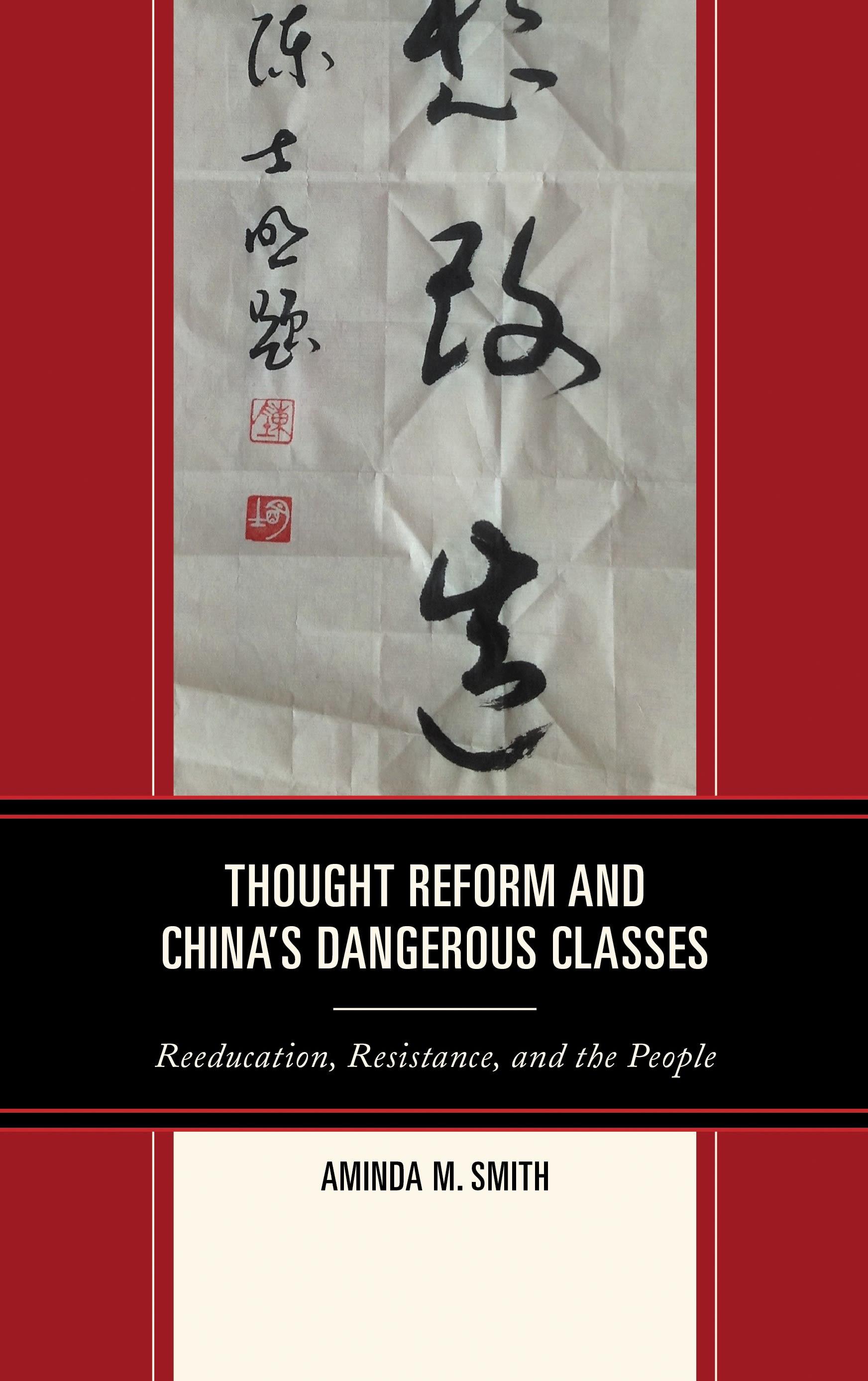
Thought reform is arguably China’s most controversial social policy. If reeducation’s critics and defenders agree on little else, they share the conviction that ideological remolding is inseparable from its Mao-era roots. This is the first major English-language study to explore one of the most important aspects of those origins, the essential relationship between thought reform and the “dangerous classes”—the prostitutes, beggars, petty criminals, and other “lumpenproletarians” that Communists saw as a threat to society and the revolution. Through formerly unavailable classified documents, as well as diaries, oral histories, and memoirs, Aminda Smith takes readers inside the early-PRC reformatories where the new state endeavored to transform socially marginalized “vagrants” into socially integrated members of the laboring masses. As sites where “the people” were literally created, these centers became testing grounds for rapidly changing discourses about the praxis of thought reform as well as the subjects it aimed to produce. Her book explores reformatories as institutions dedicated to molding new socialist citizens and as symbolic spaces through which internees, cadres, and the ordinary masses made sense of what it meant to be a member of the people in the People’s Republic of China. She offers convincing new answers to much-debated questions about the nature of the crucial decade of the 1950s, especially with respect to the development and future of PRC political culture.
Betaal eenvoudig met kaart, Klarna, Apple Pay of Google Pay. Niet tevreden? Je hebt altijd 14 dagen bedenktijd. Lees meer in onze voorwaarden. Heb je vragen, mail ons dan via hello@memmo.org.
Memmo maakt studeren makkelijker – waar je ook bent ter wereld. Wij brengen je cursusboeken en slimme studietools samen op één plek: samenvattingen, quizzen, podcasts en flashcards. En Ted, je studievriend die antwoord geeft op alles wat je je afvraagt. Meer dan 50.000 studenten studeren hier al – gebouwd om je sneller te laten leren en minder stress te geven.