
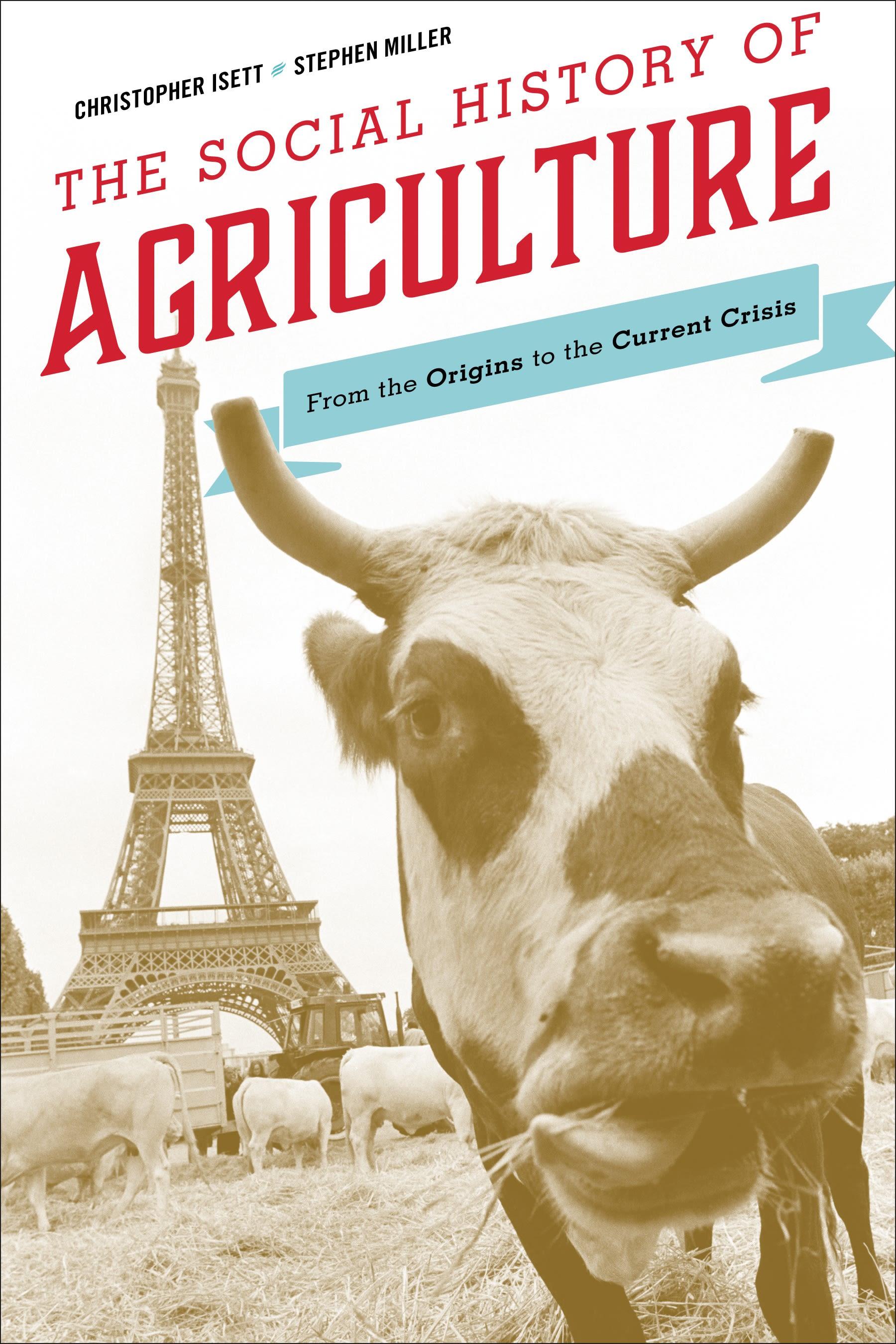
This innovative text provides a compelling narrative world history through the lens of food and farmers. Tracing the history of agriculture from earliest times to the present, Christopher Isett and Stephen Millerargue that people, rather than markets, have been the primary agents of agricultural change. Exploring the actions taken by individuals and groups over time and analyzing their activities in the wider contexts of markets, states, wars, the environment, population increase, and similar factors, the authors emphasize how larger social and political forces inform decisions and lead to different technological outcomes. Both farmers and elites responded in ways that impeded economic development. Farmers, when able to trade with towns, used the revenue to gain more land and security. Elites used commercial opportunities to accumulate military power and slaves. The book explores these tendencies through rich case studies of ancient China; precolonial South America; early-modern France, England, and Japan; New World slavery; colonial Taiwan; socialist Cuba; and many other periods and places. Readers will understand how the promises and problems of contemporary agriculture are not simply technologically derived but are the outcomes of decisions and choices people have made and continue to make.
Betaal eenvoudig met kaart, Klarna, Apple Pay of Google Pay. Niet tevreden? Je hebt altijd 14 dagen bedenktijd. Lees meer in onze voorwaarden. Heb je vragen, mail ons dan via hello@memmo.org.
Memmo maakt studeren makkelijker – waar je ook bent ter wereld. Wij brengen je cursusboeken en slimme studietools samen op één plek: samenvattingen, quizzen, podcasts en flashcards. En Ted, je studievriend die antwoord geeft op alles wat je je afvraagt. Meer dan 50.000 studenten studeren hier al – gebouwd om je sneller te laten leren en minder stress te geven.