
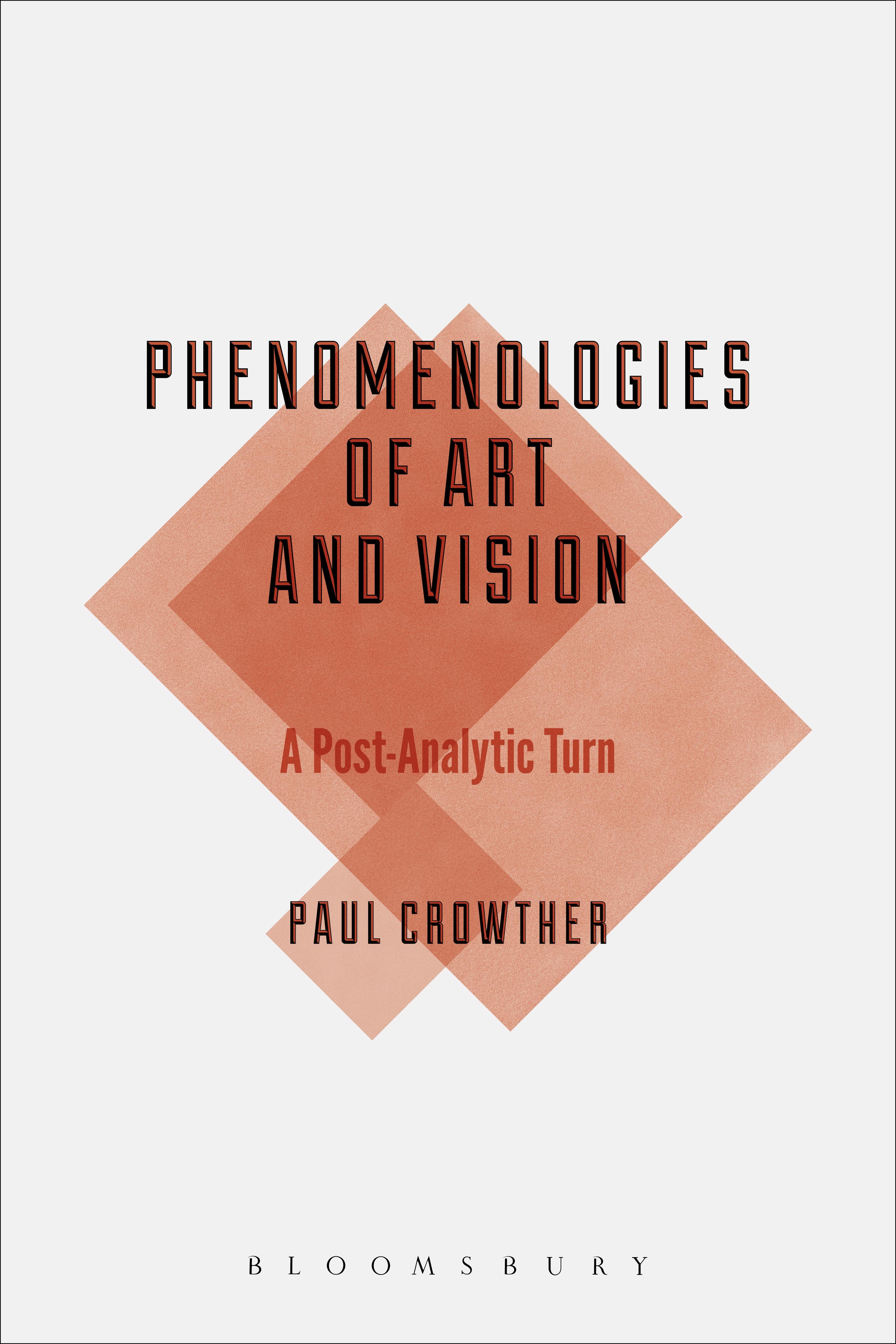
Contemporary
discussions of the image like to emphasize art's societal functions. Few
studies come close to answering why pictures and sculptures fascinate and
intrigue regardless of any practical functions they might serve. In this
original, thought-provoking study, Paul Crowther reveals the intrinsic
significance of pictures and sculptures.
To address the
question of how painting becomes an art, Crowther uses the analytic philosophy
of Richard Wollheim as a starting point. But to sufficiently answer the
question, he makes an important link to a tradition much more successful in
giving voice to the deeper ontology of visual art - existential phenomenology.
The result is a work that demonstrates the
reciprocal relationship between phenomenology and analytic aesthetics. To
expand its ontological scope and solve the problem of expression, analytic aesthetics
needs phenomenology; while to develop a sustained, critically balanced, and
intellectually available ontology, phenomenology needs the discursive force and
lucidity of analytic philosophy. This convincing case for a post-analytic
phenomenology of art is an important advancement of contemporary discussions of
the philosophy of art.
discussions of the image like to emphasize art's societal functions. Few
studies come close to answering why pictures and sculptures fascinate and
intrigue regardless of any practical functions they might serve. In this
original, thought-provoking study, Paul Crowther reveals the intrinsic
significance of pictures and sculptures.
To address the
question of how painting becomes an art, Crowther uses the analytic philosophy
of Richard Wollheim as a starting point. But to sufficiently answer the
question, he makes an important link to a tradition much more successful in
giving voice to the deeper ontology of visual art - existential phenomenology.
The result is a work that demonstrates the
reciprocal relationship between phenomenology and analytic aesthetics. To
expand its ontological scope and solve the problem of expression, analytic aesthetics
needs phenomenology; while to develop a sustained, critically balanced, and
intellectually available ontology, phenomenology needs the discursive force and
lucidity of analytic philosophy. This convincing case for a post-analytic
phenomenology of art is an important advancement of contemporary discussions of
the philosophy of art.
Pagina's: 192
Categorie: Filosofi
e-ISBN: 9781441199164
Verzendgewicht: 1.2 kg
Verzending binnen: 1-2 dagen
Betaal eenvoudig met kaart, Klarna, Apple Pay of Google Pay. Niet tevreden? Je hebt altijd 14 dagen bedenktijd. Lees meer in onze voorwaarden. Heb je vragen, mail ons dan via hello@memmo.org.
Memmo maakt studeren makkelijker – waar je ook bent ter wereld. Wij brengen je cursusboeken en slimme studietools samen op één plek: samenvattingen, quizzen, podcasts en flashcards. En Ted, je studievriend die antwoord geeft op alles wat je je afvraagt. Meer dan 50.000 studenten studeren hier al – gebouwd om je sneller te laten leren en minder stress te geven.