
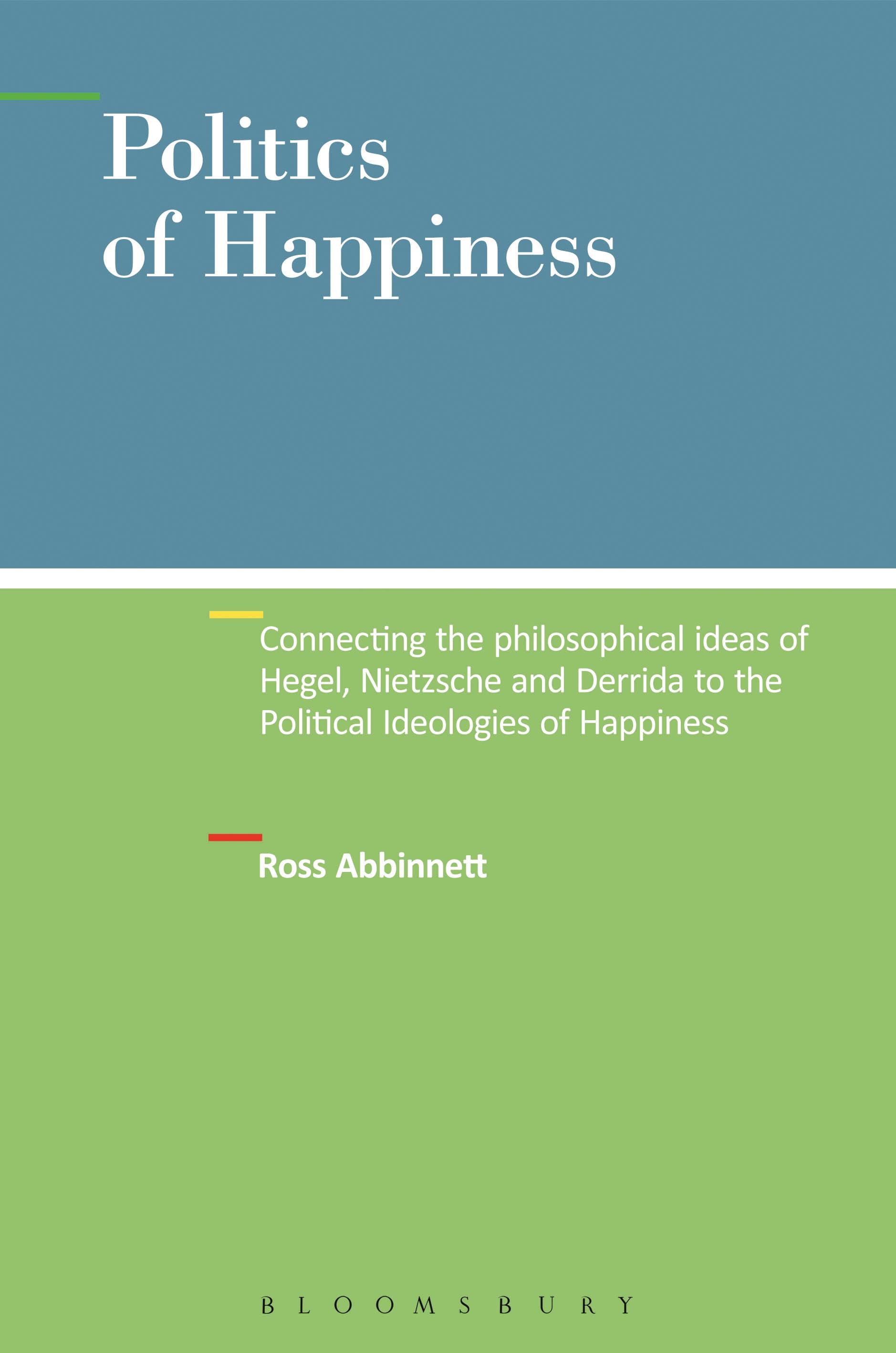
This unique and engaging study argues that the Western concern with achieving happiness should be understood in terms of its relationship to the political ideologies that have emerged since the Enlightenment. To do so, each chapter examines the place that happiness occupies in the construction of ideologies that have formed the political terrain of the West, including liberalism, postmodernism, socialism, fascism, and religion. Throughout, Hegel's phenomenology, Nietzsche's genealogy, and Derrida's account of deconstruction as reactions to modernization are used to show that the politics of happiness are always a clash of fundamental ideas of belonging, overcoming, and ethical responsibility. Stressing that the concept of happiness lies at the foundation of political movements, the book also looks at its place in the current global order, analyzing the emergence of such ideas as affective democracy that challenge the conventional notions of privatized, acquisitive happiness.
Written in a clear manner, the work will appeal to political theory students and researchers looking for a critical and historical account of contemporary debates about the nature of happiness and ideology.
Written in a clear manner, the work will appeal to political theory students and researchers looking for a critical and historical account of contemporary debates about the nature of happiness and ideology.
Betaal eenvoudig met kaart, Klarna, Apple Pay of Google Pay. Niet tevreden? Je hebt altijd 14 dagen bedenktijd. Lees meer in onze voorwaarden. Heb je vragen, mail ons dan via hello@memmo.org.
Memmo maakt studeren makkelijker – waar je ook bent ter wereld. Wij brengen je cursusboeken en slimme studietools samen op één plek: samenvattingen, quizzen, podcasts en flashcards. En Ted, je studievriend die antwoord geeft op alles wat je je afvraagt. Meer dan 50.000 studenten studeren hier al – gebouwd om je sneller te laten leren en minder stress te geven.