
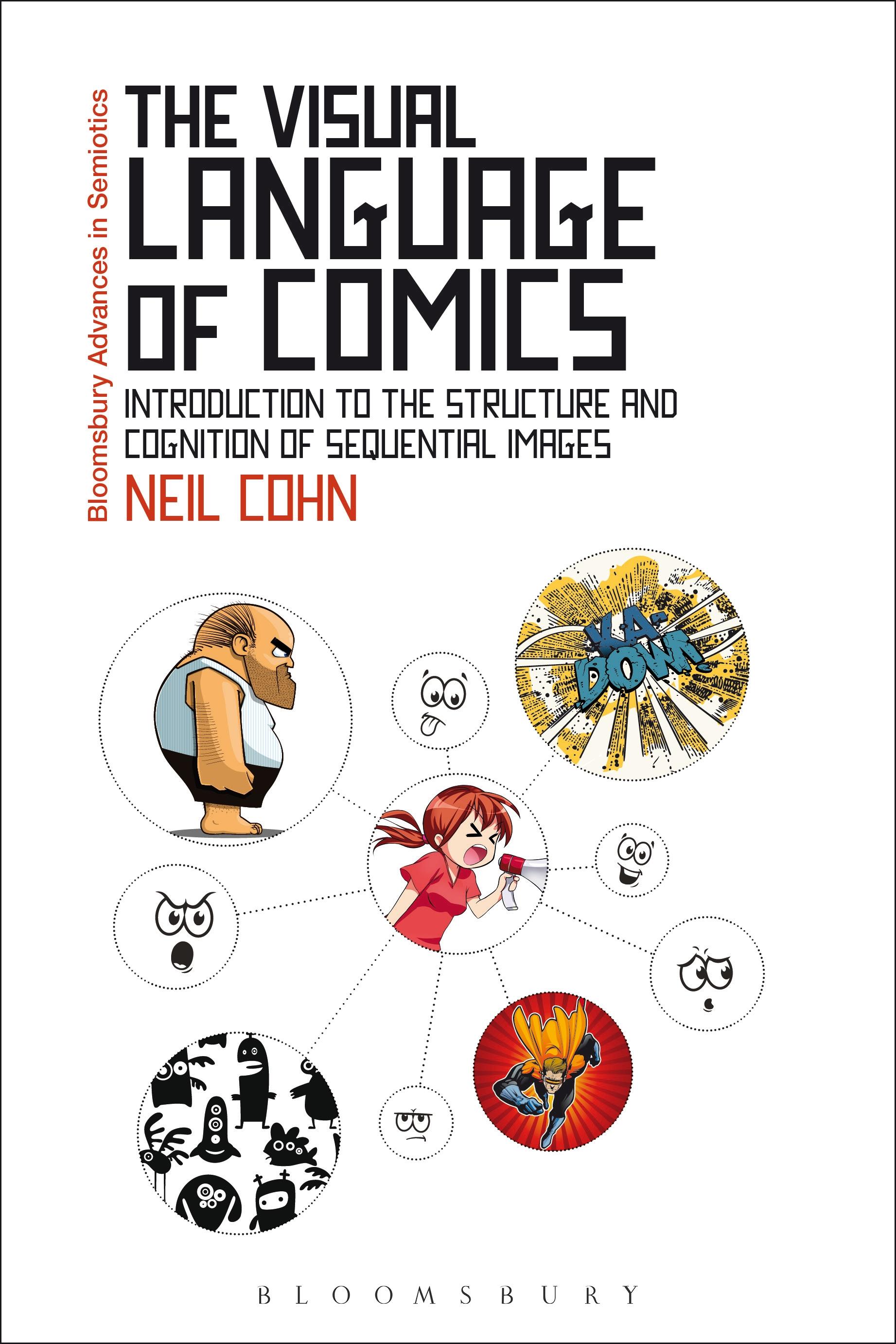
Drawings and sequential images are an integral part of human expression dating back at least as far as cave paintings, and in contemporary society appear most prominently in comics. Despite this fundamental part of human identity, little work has explored the comprehension and cognitive underpinnings of visual narratives-until now.
This work presents a provocative theory: that drawings and sequential images are structured the same as language. Building on contemporary theories from linguistics and cognitive psychology, it argues that comics are written in a visual language of sequential images that combines with text. Like spoken and signed languages, visual narratives use a lexicon of systematic patterns stored in memory, strategies for combining these patterns into meaningful units, and a hierarchic grammar governing the combination of sequential images into coherent expressions. Filled with examples and illustrations, this book details each of these levels of structure, explains how cross-cultural differences arise in diverse visual languages of the world, and describes what the newest neuroscience research reveals about the brain's comprehension of visual narratives. From this emerges the foundation for a new line of research within the linguistic and cognitive sciences, raising intriguing questions about the connections between language and the diversity of humans' expressive behaviours in the mind and brain.
This work presents a provocative theory: that drawings and sequential images are structured the same as language. Building on contemporary theories from linguistics and cognitive psychology, it argues that comics are written in a visual language of sequential images that combines with text. Like spoken and signed languages, visual narratives use a lexicon of systematic patterns stored in memory, strategies for combining these patterns into meaningful units, and a hierarchic grammar governing the combination of sequential images into coherent expressions. Filled with examples and illustrations, this book details each of these levels of structure, explains how cross-cultural differences arise in diverse visual languages of the world, and describes what the newest neuroscience research reveals about the brain's comprehension of visual narratives. From this emerges the foundation for a new line of research within the linguistic and cognitive sciences, raising intriguing questions about the connections between language and the diversity of humans' expressive behaviours in the mind and brain.
Betaal eenvoudig met kaart, Klarna, Apple Pay of Google Pay. Niet tevreden? Je hebt altijd 14 dagen bedenktijd. Lees meer in onze voorwaarden. Heb je vragen, mail ons dan via hello@memmo.org.
Memmo maakt studeren makkelijker – waar je ook bent ter wereld. Wij brengen je cursusboeken en slimme studietools samen op één plek: samenvattingen, quizzen, podcasts en flashcards. En Ted, je studievriend die antwoord geeft op alles wat je je afvraagt. Meer dan 50.000 studenten studeren hier al – gebouwd om je sneller te laten leren en minder stress te geven.