
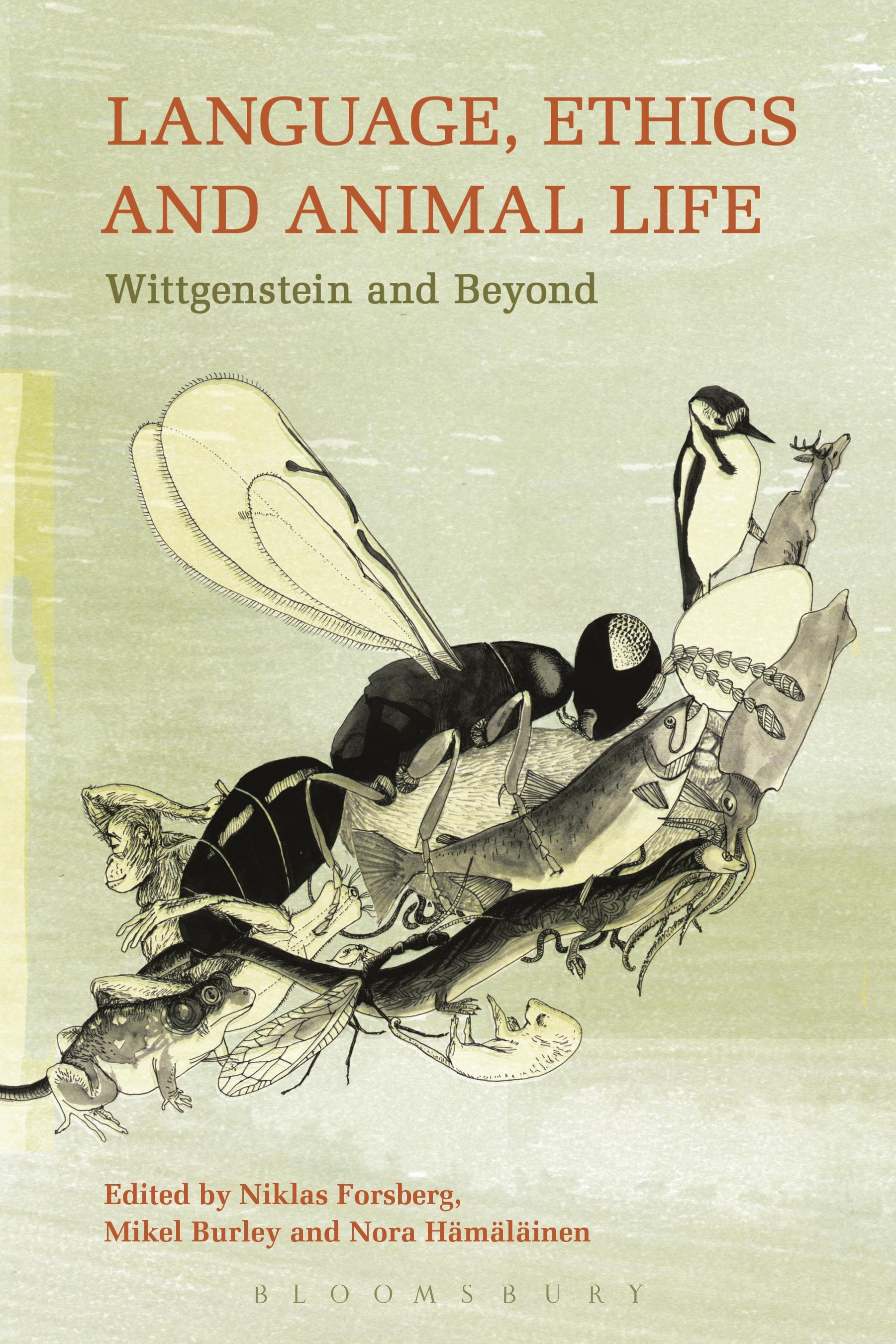
New research into human and animal consciousness, a heightened awareness of the methods and consequences of intensive farming, and modern concerns about animal welfare and ecology are among the factors that have made our relationship to animals an area of burning interest in contemporary philosophy. Utilizing methods inspired by Ludwig Wittgenstein, the contributors to this volume explore this area in a variety of ways. Topics discussed include: scientific vs. non-scientific ways of describing human and animal behaviour; the ethics of eating particular animal species; human nature, emotions, and instinctive reactions; responses of wonder towards the natural world; the moral relevance of literature; the concept of dignity; and the question whether non-human animals can use language. This book will be of great value to anyone interested in philosophical and interdisciplinary issues concerning language, ethics and humanity's relation to animals and the natural world.
Betaal eenvoudig met kaart, Klarna, Apple Pay of Google Pay. Niet tevreden? Je hebt altijd 14 dagen bedenktijd. Lees meer in onze voorwaarden. Heb je vragen, mail ons dan via hello@memmo.org.
Memmo maakt studeren makkelijker – waar je ook bent ter wereld. Wij brengen je cursusboeken en slimme studietools samen op één plek: samenvattingen, quizzen, podcasts en flashcards. En Ted, je studievriend die antwoord geeft op alles wat je je afvraagt. Meer dan 50.000 studenten studeren hier al – gebouwd om je sneller te laten leren en minder stress te geven.