
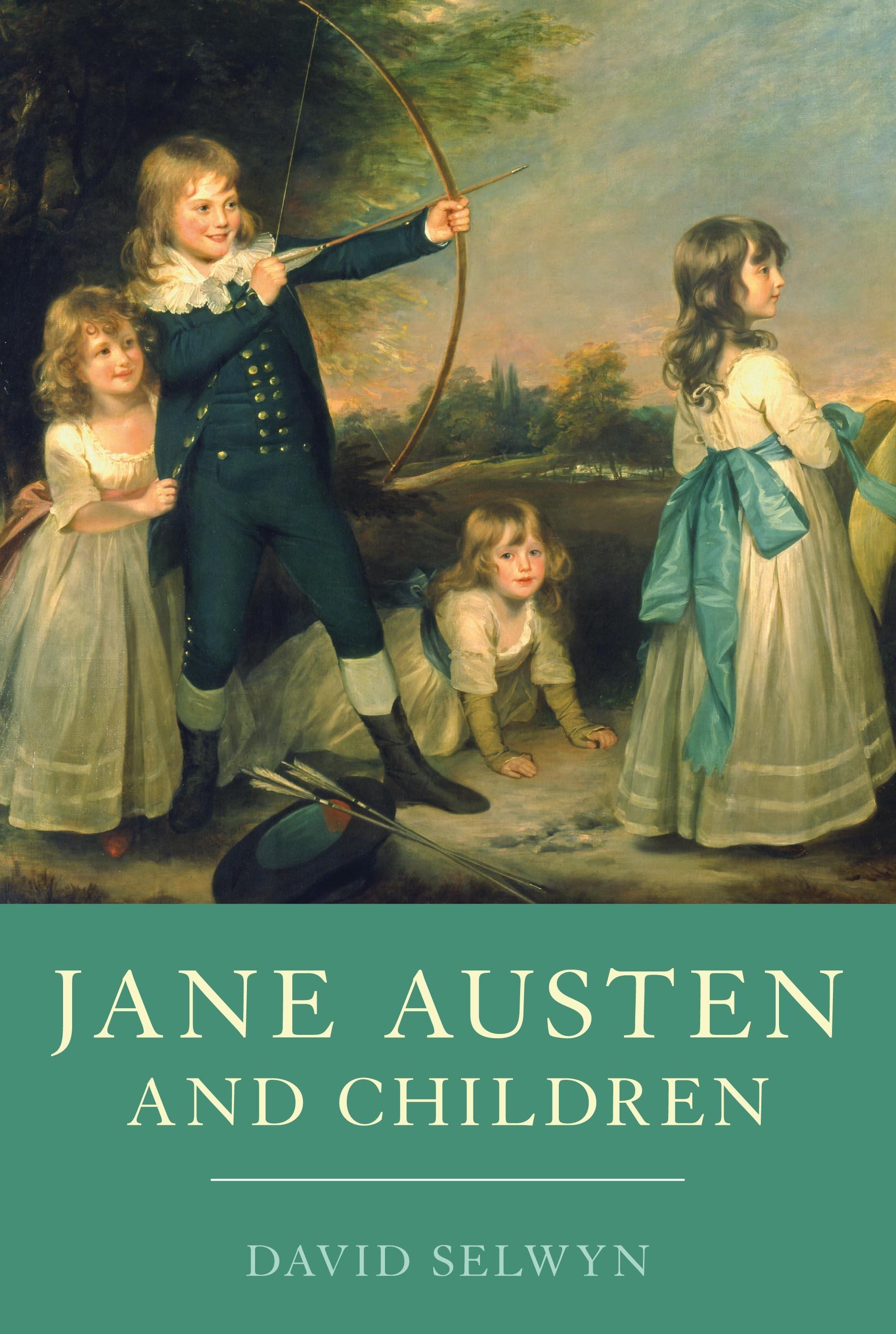
Jane Austen is not usually associated with children - especially since she had none of her own. But there are in fact more children in her novels than one might at first think. She herself was from a sizeable family, with numerous nephews and nieces. She was, by all accounts, good with children and popular with them. It was therefore natural for her to include them in her novels, even if sometimes offstage. This book, by one of the world's leading authorities on Austen, looks at both the real and the literary children in her life - children seen and unseen (and dead); children as models of behaviour, good and bad; as objects of affection, amusement, usefulness, pity, regret, jealousy, resentment; children in the way; children as excuses; children as heirs. In the process it casts fascinating light on a hitherto largely ignored aspect of her work and the age in which she lived.
Betaal eenvoudig met kaart, Klarna, Apple Pay of Google Pay. Niet tevreden? Je hebt altijd 14 dagen bedenktijd. Lees meer in onze voorwaarden. Heb je vragen, mail ons dan via hello@memmo.org.
Memmo maakt studeren makkelijker – waar je ook bent ter wereld. Wij brengen je cursusboeken en slimme studietools samen op één plek: samenvattingen, quizzen, podcasts en flashcards. En Ted, je studievriend die antwoord geeft op alles wat je je afvraagt. Meer dan 50.000 studenten studeren hier al – gebouwd om je sneller te laten leren en minder stress te geven.