
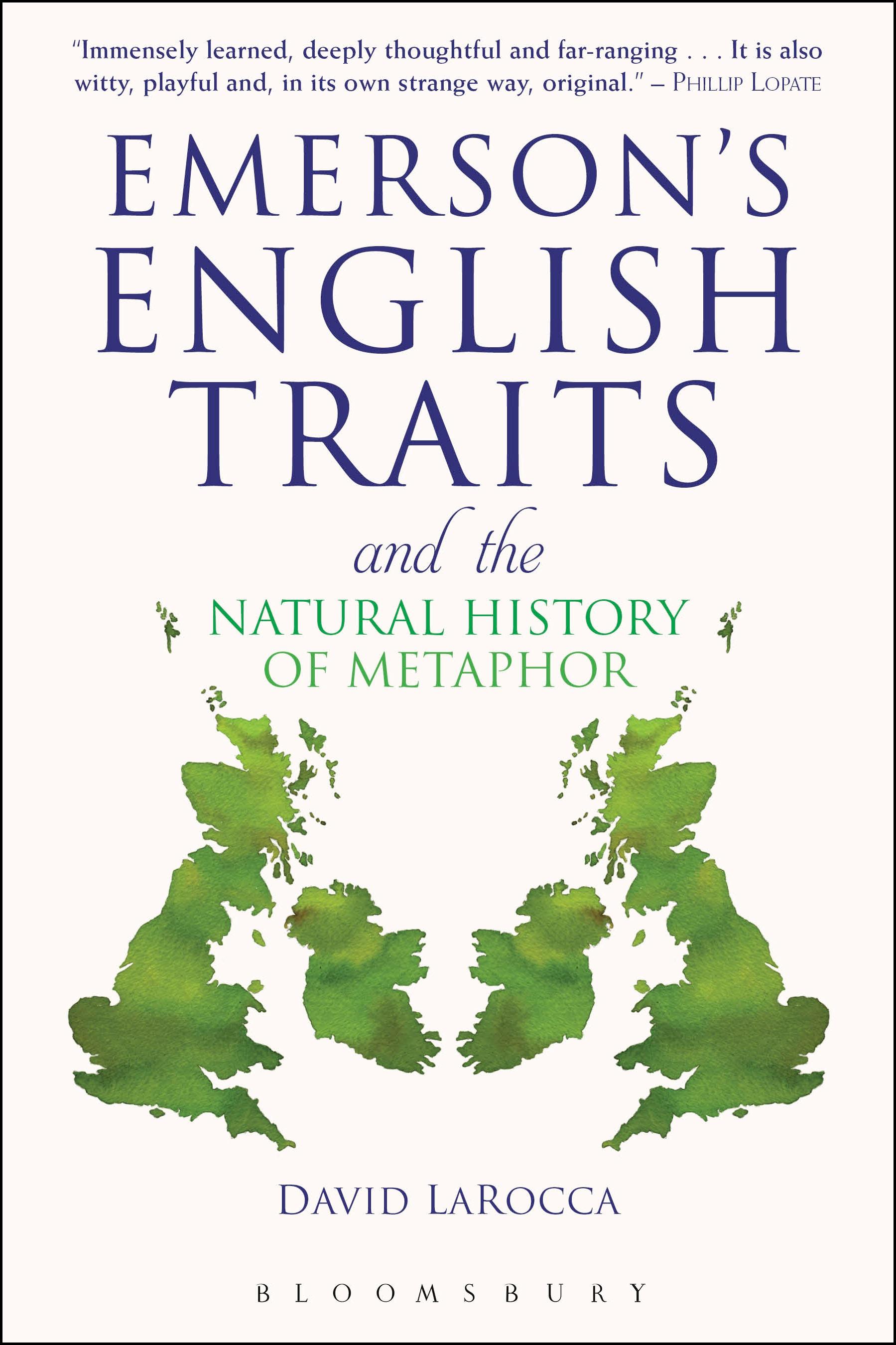
Metaphors are ubiquitous and yet-or, for that very reason-go largely unseen. We are all variously susceptible to a blindness or blurry vision of metaphors; yet even when they are seen clearly, we are left to situate the ambiguities, conflations and contradictions they regularly present-logically, aesthetically and morally.
David LaRocca's book serves as a set of 'reminders' of certain features of the natural history of our language-especially the tropes that permeate and define it. As part of his investigation, LaRocca turns to Ralph Waldo Emerson's only book on a single topic, English Traits (1856), which teems with genealogical and generative metaphors-blood, birth, plants, parents, family, names and race.
In the first book-length study of English Traits in over half a century, LaRocca considers the presence of metaphors in Emerson's fertile text-a unique work in his expansive corpus, and one that is regularly overlooked. As metaphors are encountered in Emerson's book, and drawn from a long history of usage in work by others, a reader may realize (or remember) what is inherent and encoded in our language, but rarely seen: how metaphors circulate in speech and through texts to become the lifeblood of thought.
David LaRocca's book serves as a set of 'reminders' of certain features of the natural history of our language-especially the tropes that permeate and define it. As part of his investigation, LaRocca turns to Ralph Waldo Emerson's only book on a single topic, English Traits (1856), which teems with genealogical and generative metaphors-blood, birth, plants, parents, family, names and race.
In the first book-length study of English Traits in over half a century, LaRocca considers the presence of metaphors in Emerson's fertile text-a unique work in his expansive corpus, and one that is regularly overlooked. As metaphors are encountered in Emerson's book, and drawn from a long history of usage in work by others, a reader may realize (or remember) what is inherent and encoded in our language, but rarely seen: how metaphors circulate in speech and through texts to become the lifeblood of thought.
Pagina's: 408
Categorie: Litteraturvetenskap & Teori
e-ISBN: 9781441137029
Verzendgewicht: 1.2 kg
Verzending binnen: 1-2 dagen
Betaal eenvoudig met kaart, Klarna, Apple Pay of Google Pay. Niet tevreden? Je hebt altijd 14 dagen bedenktijd. Lees meer in onze voorwaarden. Heb je vragen, mail ons dan via hello@memmo.org.
Memmo maakt studeren makkelijker – waar je ook bent ter wereld. Wij brengen je cursusboeken en slimme studietools samen op één plek: samenvattingen, quizzen, podcasts en flashcards. En Ted, je studievriend die antwoord geeft op alles wat je je afvraagt. Meer dan 50.000 studenten studeren hier al – gebouwd om je sneller te laten leren en minder stress te geven.