
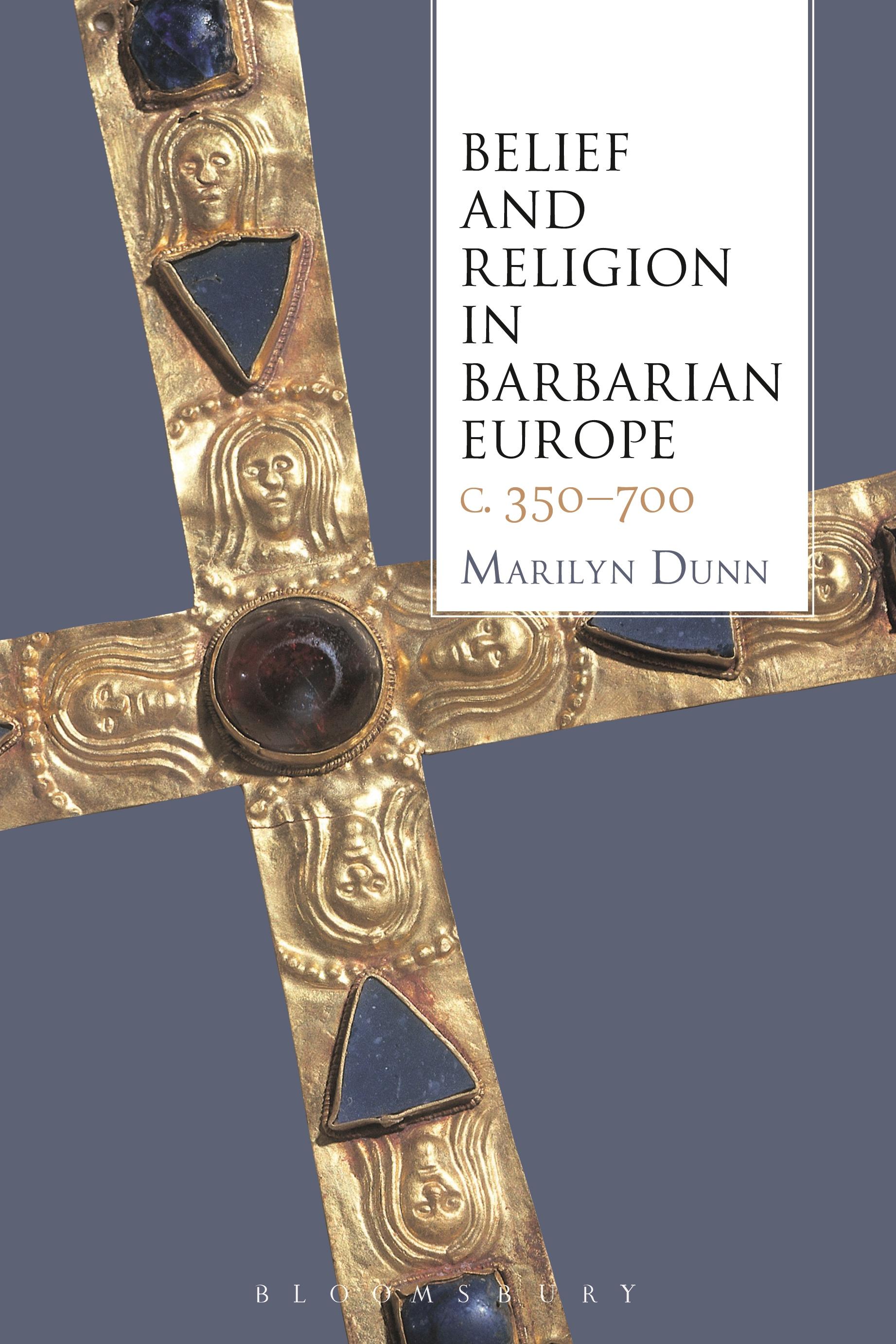
This ground-breaking study offers a new paradigm for understanding the beliefs and religions of the Goths, Burgundians, Sueves, Franks and Lombards as they converted from paganism to Christianity between c.350 and c.700 CE. Combining history and theology with approaches drawn from the cognitive science of religion, Belief and Religion in Barbarian Europe uses both written and archaeological evidence to challenge many older ideas. Beginning with a re-examination of our knowledge about the deities and rituals of their original religions, it goes on to question the assumption that the Germanic peoples were merely passive recipients of Christian doctrine, arguing that so-called 'Arianism' was first developed as an 'entry-level' Christianity for the Goths.
Focusing on individual ethnic groupings in turn, it presents a fresh view of the relationship between religion and politics as their rulers attempted to opt for Catholicism. In place of familiar debates about post-conversion 'pagan survivals', contemporary texts and legislation are analysed to create an innovative cognitive perspective on the ways in which the Church endeavoured to bring the Christian God into people's thoughts and actions. The work also includes a survey of a wide range of written and archaeological evidence, contrasting traditional conceptions of death, afterlife and funerary ritual with Christian doctrine and practice in these areas and exploring some of the techniques developed by the Church for assuaging popular anxieties about Christian burial and the Christian afterlife.
Focusing on individual ethnic groupings in turn, it presents a fresh view of the relationship between religion and politics as their rulers attempted to opt for Catholicism. In place of familiar debates about post-conversion 'pagan survivals', contemporary texts and legislation are analysed to create an innovative cognitive perspective on the ways in which the Church endeavoured to bring the Christian God into people's thoughts and actions. The work also includes a survey of a wide range of written and archaeological evidence, contrasting traditional conceptions of death, afterlife and funerary ritual with Christian doctrine and practice in these areas and exploring some of the techniques developed by the Church for assuaging popular anxieties about Christian burial and the Christian afterlife.
Pagina's: 256
Categorie: Religion & Teologi
e-ISBN: 9781441123824
Verzendgewicht: 1.2 kg
Verzending binnen: 1-2 dagen
Betaal eenvoudig met kaart, Klarna, Apple Pay of Google Pay. Niet tevreden? Je hebt altijd 14 dagen bedenktijd. Lees meer in onze voorwaarden. Heb je vragen, mail ons dan via hello@memmo.org.
Memmo maakt studeren makkelijker – waar je ook bent ter wereld. Wij brengen je cursusboeken en slimme studietools samen op één plek: samenvattingen, quizzen, podcasts en flashcards. En Ted, je studievriend die antwoord geeft op alles wat je je afvraagt. Meer dan 50.000 studenten studeren hier al – gebouwd om je sneller te laten leren en minder stress te geven.