
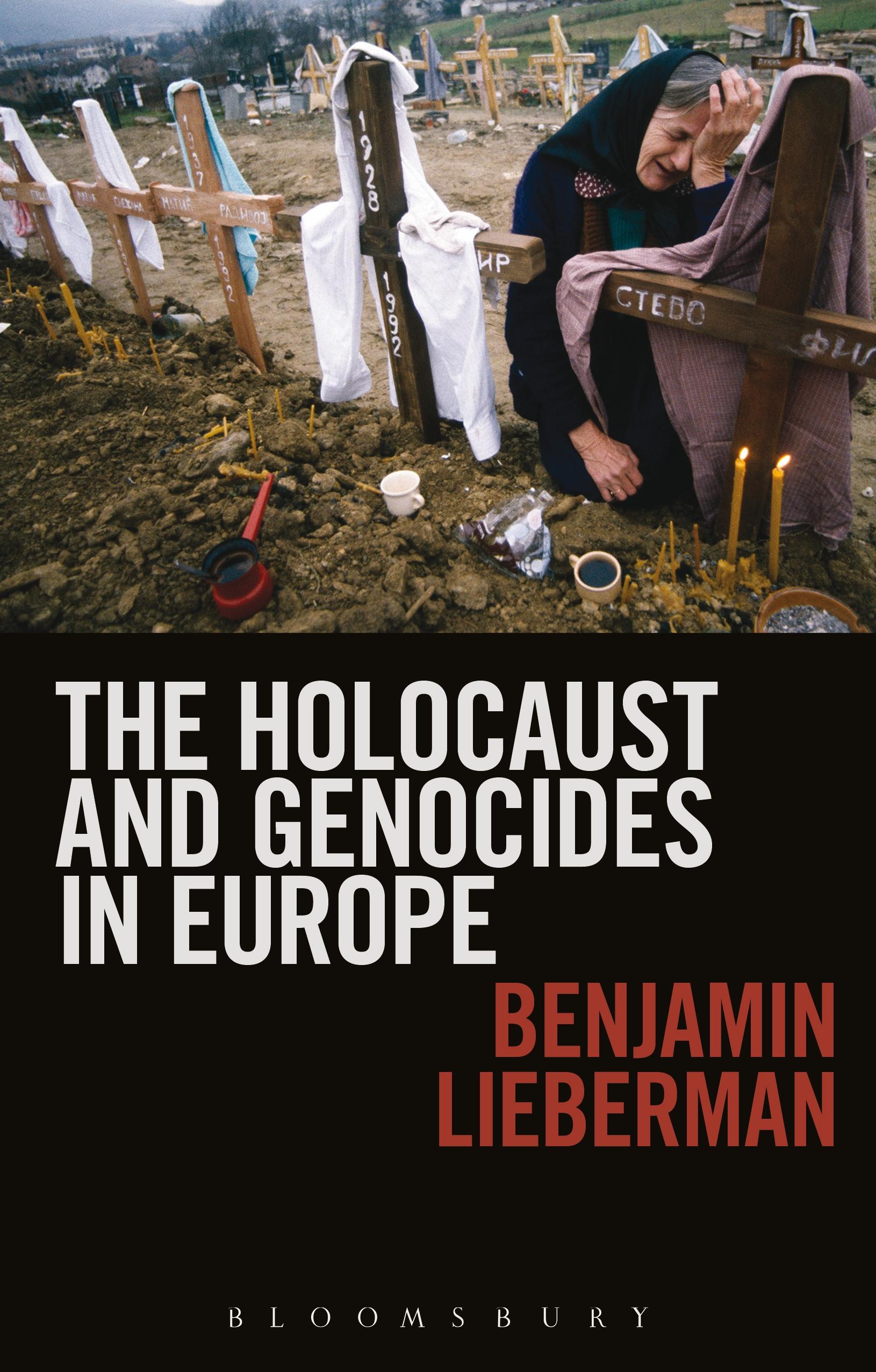
Focusing on the major cases of genocide in twentieth-century Europe, including the Armenian genocide, the Holocaust, and genocide in the former Yugoslavia, as well as mass killing in the Soviet Union, this book outlines the internal and external roots of genocide. Internal causes lie in the rise of radical nationalism and the breakdown of old empires, while external causes lie in the experience of mass violence in European colonial empires. Such roots did not make any case of genocide inevitable but did create models for mass destruction. The book enables students to assess the interplay between general causes of violence and the specific crises that accelerated moves towards radical genocidal policies. Chapters on the major cases of twentieth-century European genocide will each describe and analyse several key themes: acts of genocide; perpetrators, victims and bystanders; and genocide in particular regions. Using the voices of the human actors in genocide, often ignored or forgotten, provides arresting new insights. The conclusion frames European genocide in a global perspective, giving students an entry point to discussion of genocide in other continents and historical periods.
Betaal eenvoudig met kaart, Klarna, Apple Pay of Google Pay. Niet tevreden? Je hebt altijd 14 dagen bedenktijd. Lees meer in onze voorwaarden. Heb je vragen, mail ons dan via hello@memmo.org.
Memmo maakt studeren makkelijker – waar je ook bent ter wereld. Wij brengen je cursusboeken en slimme studietools samen op één plek: samenvattingen, quizzen, podcasts en flashcards. En Ted, je studievriend die antwoord geeft op alles wat je je afvraagt. Meer dan 50.000 studenten studeren hier al – gebouwd om je sneller te laten leren en minder stress te geven.