
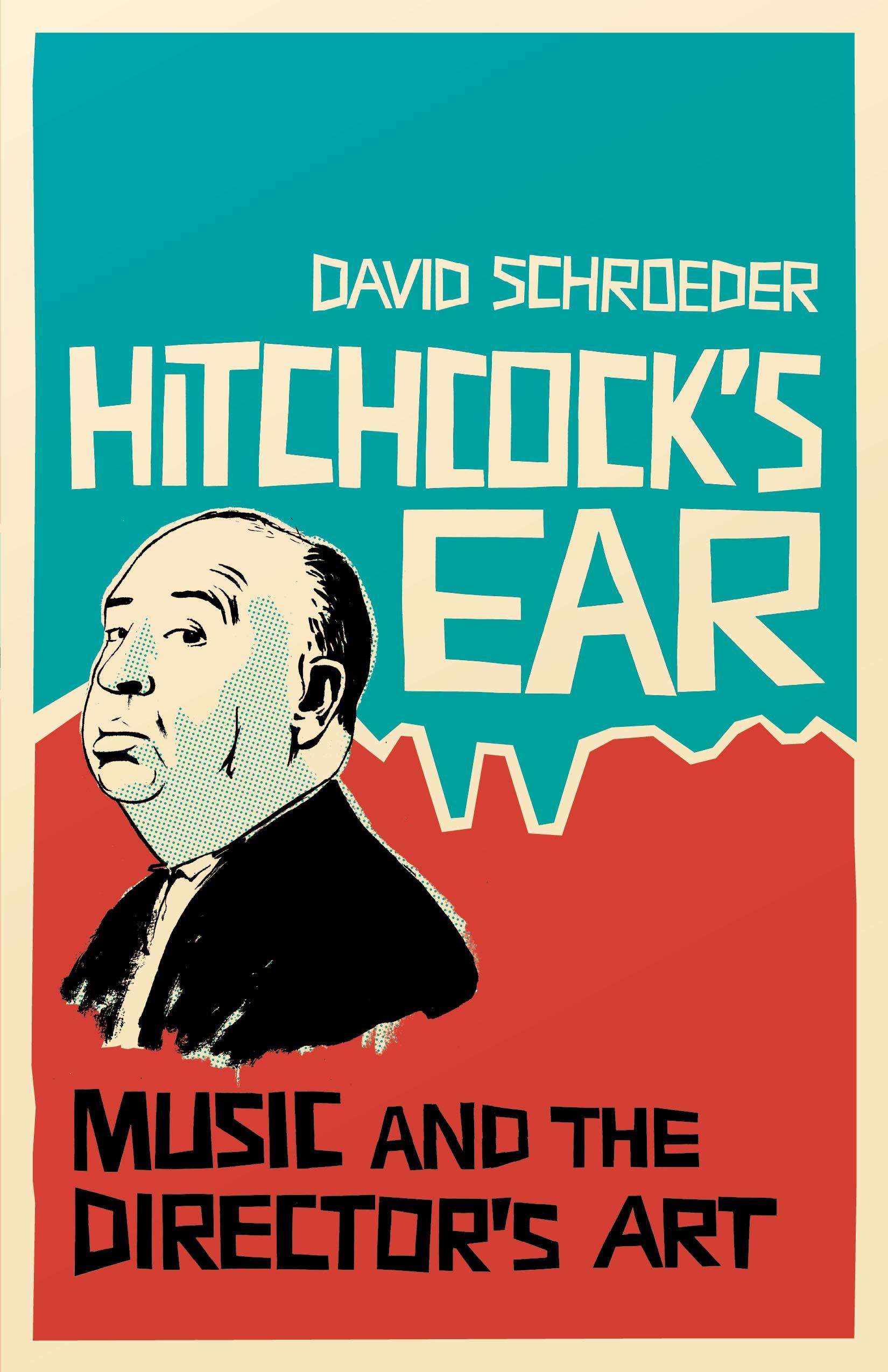
Alfred Hitchcock liked to describe his work as a director in musical terms; for some of his films, it appears that he started with an underlying musical conception, and transformed that sense of music into visual images. The director's favorite scenes lacked dialogue, and they made their impact through a combination of non-verbal actions and music. For example, the waltz and the piano are used as powerful images in silent films, and this approach carries over into sound films. Looking at such films as Vertigo, Rear Window, and Shadow of a Doubt, Schroeder provides a unique look at the way that Hitchcock thought about cinema in musical terms.
Betaal eenvoudig met kaart, Klarna, Apple Pay of Google Pay. Niet tevreden? Je hebt altijd 14 dagen bedenktijd. Lees meer in onze voorwaarden. Heb je vragen, mail ons dan via hello@memmo.org.
Memmo maakt studeren makkelijker – waar je ook bent ter wereld. Wij brengen je cursusboeken en slimme studietools samen op één plek: samenvattingen, quizzen, podcasts en flashcards. En Ted, je studievriend die antwoord geeft op alles wat je je afvraagt. Meer dan 50.000 studenten studeren hier al – gebouwd om je sneller te laten leren en minder stress te geven.