
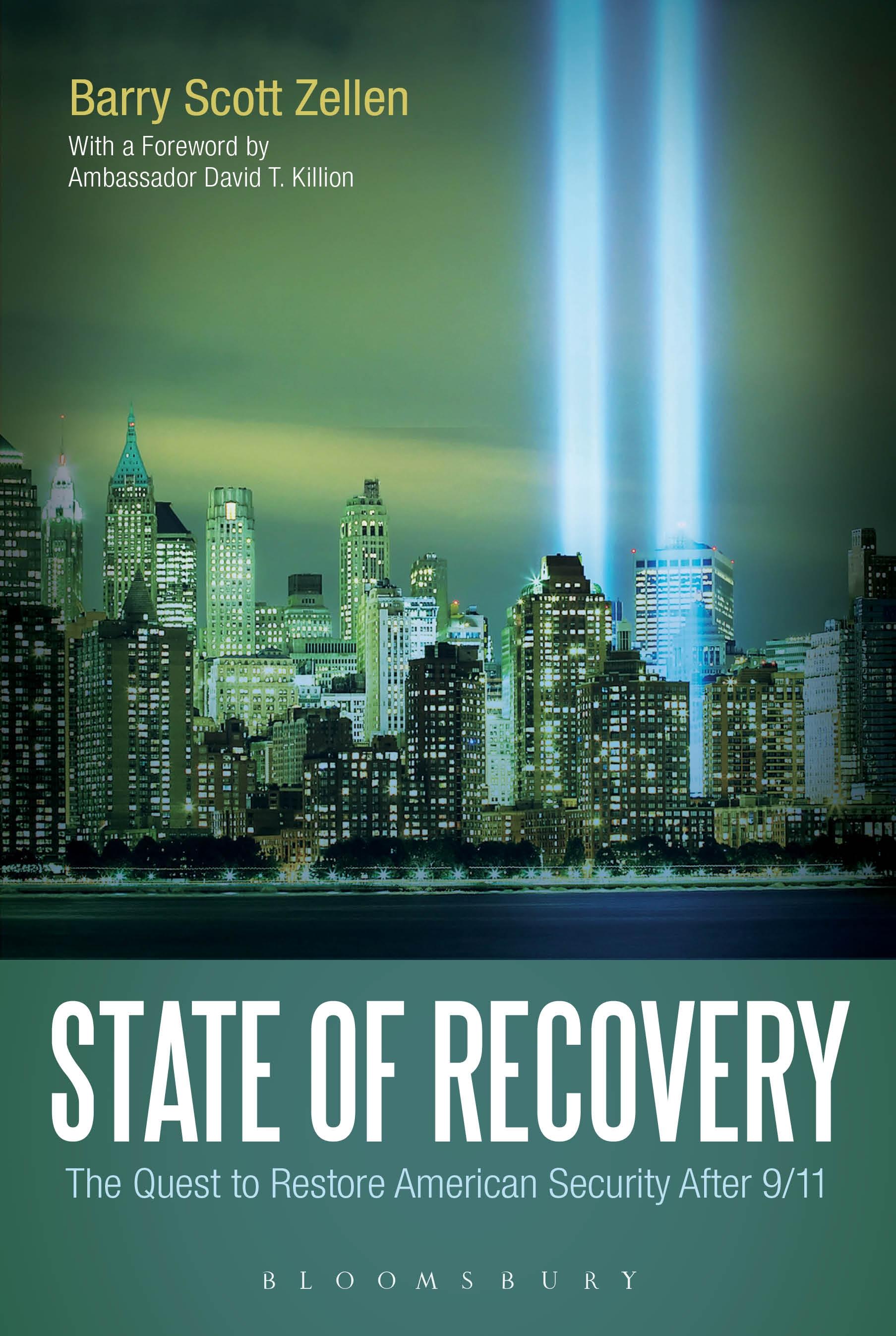
In the decade that followed 9/11, technologies and technology policies became central to homeland security. For example, the U.S. erected new border defenses with remote sensors and biometric scanners, and deployed new autonomous air warfare capabilities, such as the drone program. Looking at efforts to restore security after 9/11, the work examines issues such as the rise in technology spending, the various scenarios of mass terror, and America's effort to ensure that future engagements will take place far from the homeland. Operation Iraqi Freedom, Iran's emergence as nuclear threat, and North Korea's acceleration of its missile program are analyzed along with the "axis of evil" and America's effort to create a ballistic missile shield to thwart this emerging threat to its security. By focusing on the technologies of homeland security rather than on cyber warfare itself, the work offers a unique and needed survey that will appeal to anyone involved with the study and development of homeland and strategic security.
Betaal eenvoudig met kaart, Klarna, Apple Pay of Google Pay. Niet tevreden? Je hebt altijd 14 dagen bedenktijd. Lees meer in onze voorwaarden. Heb je vragen, mail ons dan via hello@memmo.org.
Memmo maakt studeren makkelijker – waar je ook bent ter wereld. Wij brengen je cursusboeken en slimme studietools samen op één plek: samenvattingen, quizzen, podcasts en flashcards. En Ted, je studievriend die antwoord geeft op alles wat je je afvraagt. Meer dan 50.000 studenten studeren hier al – gebouwd om je sneller te laten leren en minder stress te geven.