
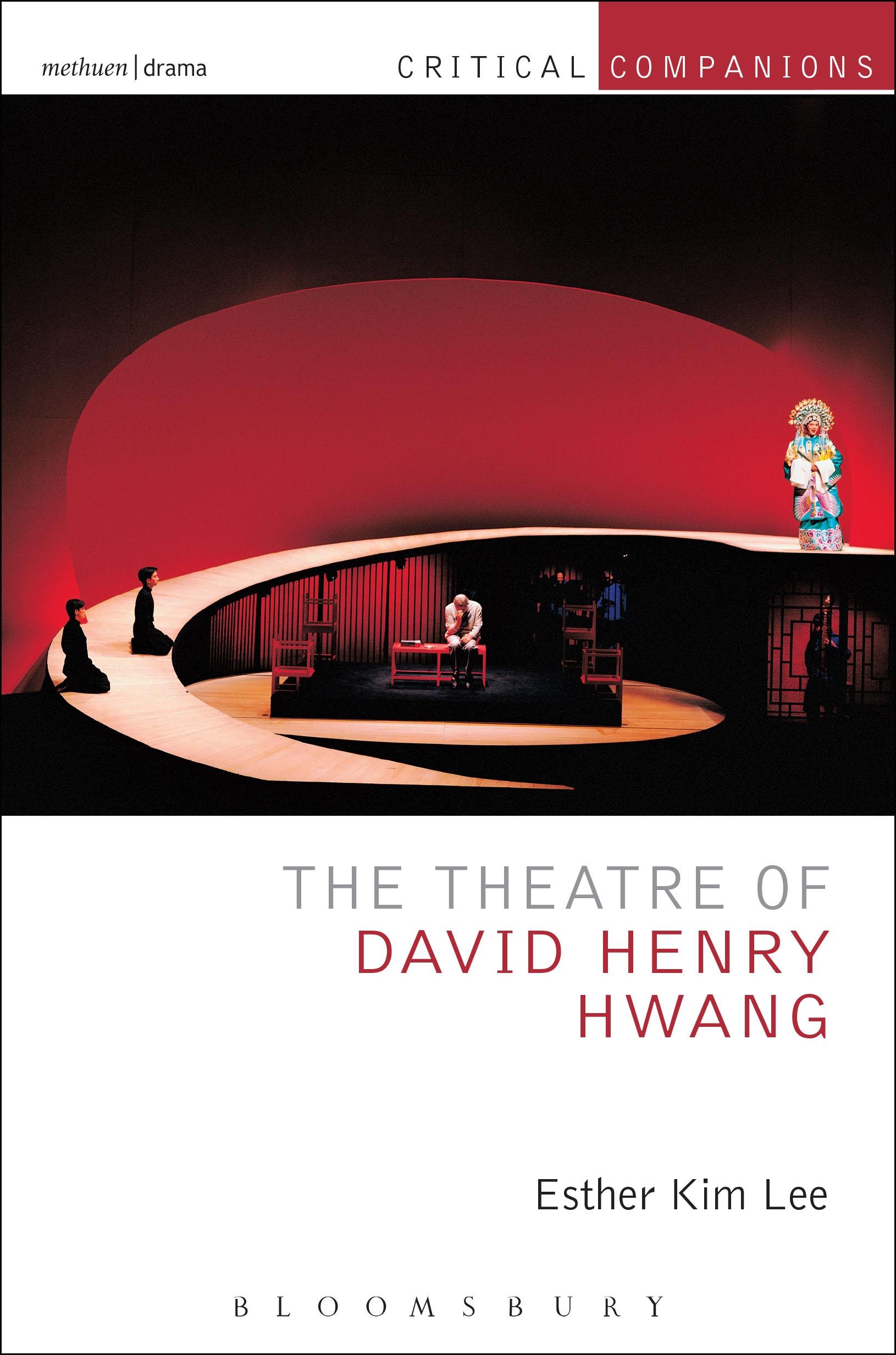
Since the premiere of his play FOB in 1979, the Chinese American playwright David Henry Hwang has made a significant impact in the U. S. and beyond. The Theatre of David Henry Hwang provides an in-depth study of his plays and other works in theatre.
Beginning with his "Trilogy of Chinese America", Esther Kim Lee traces all major phases of his playwriting career. Utilizing historical and dramaturgical analysis, she argues that Hwang has developed a unique style of meta-theatricality and irony in writing plays that are both politically charged and commercially viable.
The book also features three essays written by scholars of Asian American theatre and a comprehensive list of primary and secondary sources on his oeuvre.
This comprehensive study of Hwang's work follows his career both chronologically and thematically. The first chapter analyzes Hwang's early plays, "Trilogy of Chinese America," in which he explores issues of identity and cultural assimilation particular to Chinese Americans. Chapter two looks at four plays characterised as "Beyond Chinese America," which examines Hwang's less known plays. Chapter three focuses on M. Butterfly, which received the Tony Award for Best Play in 1988. In chapter four, Lee explores Hwang's development as a playwright during the decade of the 1990s with a focus on identity politics and multiculturalism. Chapter five examines Hwang's playwriting style in depth with a discussion of Hwang's more recent plays such as Yellow Face and Chinglish. The sixth chapter features three essays written by leading scholars in Asian American theatre: Josephine Lee on Flower Drum Song, Dan Bacalzo on Golden Child, and Daphne Lei on Chinglish. The final section provides a comprehensive compilation of sources: a chronology, a bibliography of Hwang's works, reviews and critical sources.
Beginning with his "Trilogy of Chinese America", Esther Kim Lee traces all major phases of his playwriting career. Utilizing historical and dramaturgical analysis, she argues that Hwang has developed a unique style of meta-theatricality and irony in writing plays that are both politically charged and commercially viable.
The book also features three essays written by scholars of Asian American theatre and a comprehensive list of primary and secondary sources on his oeuvre.
This comprehensive study of Hwang's work follows his career both chronologically and thematically. The first chapter analyzes Hwang's early plays, "Trilogy of Chinese America," in which he explores issues of identity and cultural assimilation particular to Chinese Americans. Chapter two looks at four plays characterised as "Beyond Chinese America," which examines Hwang's less known plays. Chapter three focuses on M. Butterfly, which received the Tony Award for Best Play in 1988. In chapter four, Lee explores Hwang's development as a playwright during the decade of the 1990s with a focus on identity politics and multiculturalism. Chapter five examines Hwang's playwriting style in depth with a discussion of Hwang's more recent plays such as Yellow Face and Chinglish. The sixth chapter features three essays written by leading scholars in Asian American theatre: Josephine Lee on Flower Drum Song, Dan Bacalzo on Golden Child, and Daphne Lei on Chinglish. The final section provides a comprehensive compilation of sources: a chronology, a bibliography of Hwang's works, reviews and critical sources.
Pagina's: 224
Categorie: Drama, Teater & Scenkonst
e-ISBN: 9781408185018
Verzendgewicht: 1.2 kg
Verzending binnen: 1-2 dagen
Betaal eenvoudig met kaart, Klarna, Apple Pay of Google Pay. Niet tevreden? Je hebt altijd 14 dagen bedenktijd. Lees meer in onze voorwaarden. Heb je vragen, mail ons dan via hello@memmo.org.
Memmo maakt studeren makkelijker – waar je ook bent ter wereld. Wij brengen je cursusboeken en slimme studietools samen op één plek: samenvattingen, quizzen, podcasts en flashcards. En Ted, je studievriend die antwoord geeft op alles wat je je afvraagt. Meer dan 50.000 studenten studeren hier al – gebouwd om je sneller te laten leren en minder stress te geven.