
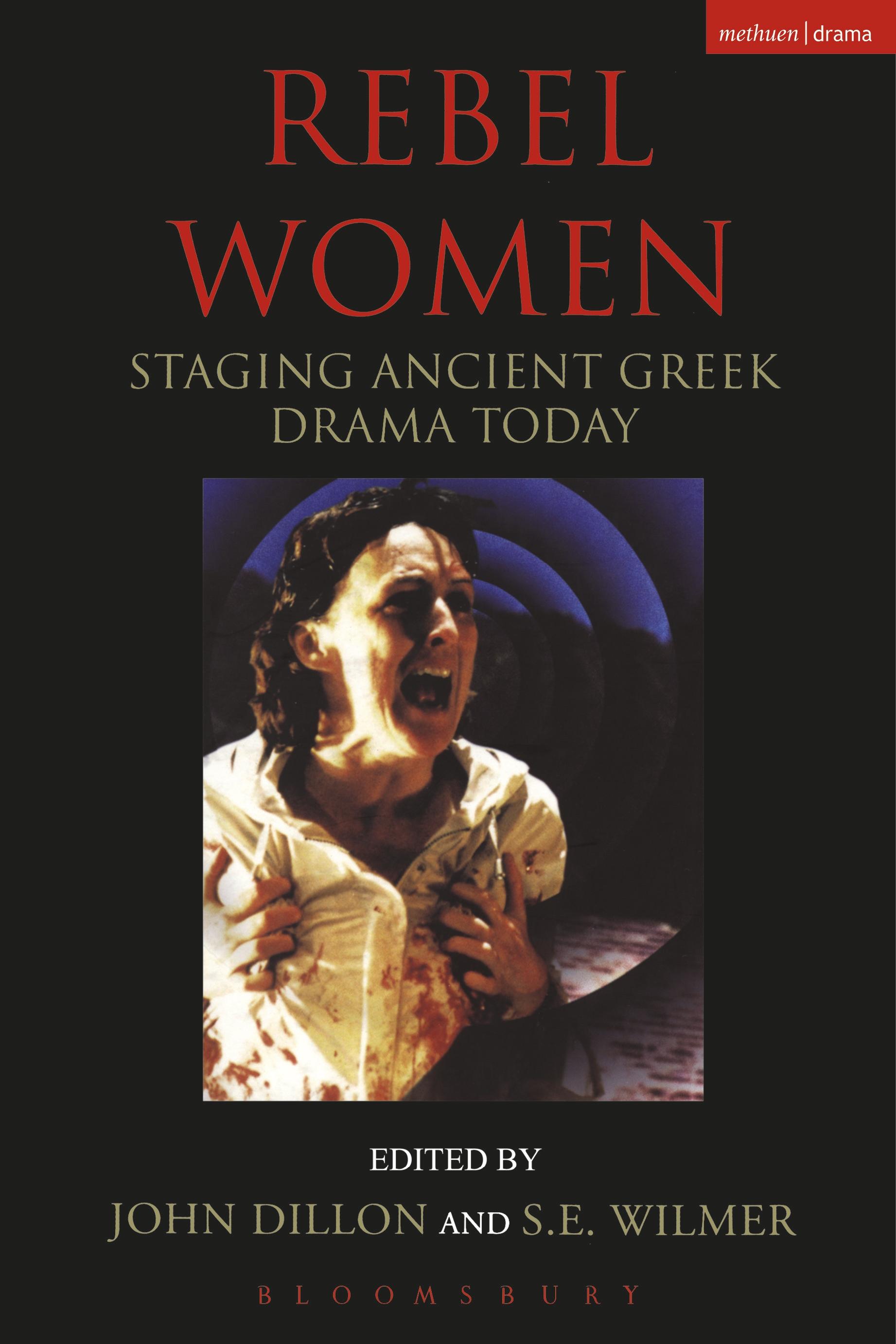
A collection of essays by many distinguished contributors, focused on the portrayal of rebel women in ancient Greek drama.
Ancient Greek drama provides the modern stage with a host of powerful female characters who stand in opposition to the patriarchal structures that seek to limit and define them. For contemporary theatre directors their representation serves as a vehicle for examining and illuminating issues of gender, power, family and morality, as germane today as when the plays were first written.
Rebel Women brings together essays by leading writers from across different disciplines examining the representation of ancient Greek heroines in their original contexts and on today's stage. Divided into three sections, it considers in turn international productions, Irish versions, and studies of the original texts. The articles explore how such characters as Iphigenia, Medea, Antigone and Clytemnestra have been portrayed in recent times and the challenges and provocation they offer to both contemporary audiences
and dramatists alike.
'Seamus Heaney and Athol Fugard are brought together as contributors by the inspiration that ancient Greek tragedy has offered to them both. There are offerings here on Iphigenia, edea, Antigone, Clytemnestra, film, drama, Greece, Russia ... and especially Ireland. Amidst all this variety, the level of interest and of scholarship are consistently high.' Oliver Taplin, Professor of Classical Languages and Literature, Oxford University
Ancient Greek drama provides the modern stage with a host of powerful female characters who stand in opposition to the patriarchal structures that seek to limit and define them. For contemporary theatre directors their representation serves as a vehicle for examining and illuminating issues of gender, power, family and morality, as germane today as when the plays were first written.
Rebel Women brings together essays by leading writers from across different disciplines examining the representation of ancient Greek heroines in their original contexts and on today's stage. Divided into three sections, it considers in turn international productions, Irish versions, and studies of the original texts. The articles explore how such characters as Iphigenia, Medea, Antigone and Clytemnestra have been portrayed in recent times and the challenges and provocation they offer to both contemporary audiences
and dramatists alike.
'Seamus Heaney and Athol Fugard are brought together as contributors by the inspiration that ancient Greek tragedy has offered to them both. There are offerings here on Iphigenia, edea, Antigone, Clytemnestra, film, drama, Greece, Russia ... and especially Ireland. Amidst all this variety, the level of interest and of scholarship are consistently high.' Oliver Taplin, Professor of Classical Languages and Literature, Oxford University
Betaal eenvoudig met kaart, Klarna, Apple Pay of Google Pay. Niet tevreden? Je hebt altijd 14 dagen bedenktijd. Lees meer in onze voorwaarden. Heb je vragen, mail ons dan via hello@memmo.org.
Memmo maakt studeren makkelijker – waar je ook bent ter wereld. Wij brengen je cursusboeken en slimme studietools samen op één plek: samenvattingen, quizzen, podcasts en flashcards. En Ted, je studievriend die antwoord geeft op alles wat je je afvraagt. Meer dan 50.000 studenten studeren hier al – gebouwd om je sneller te laten leren en minder stress te geven.