
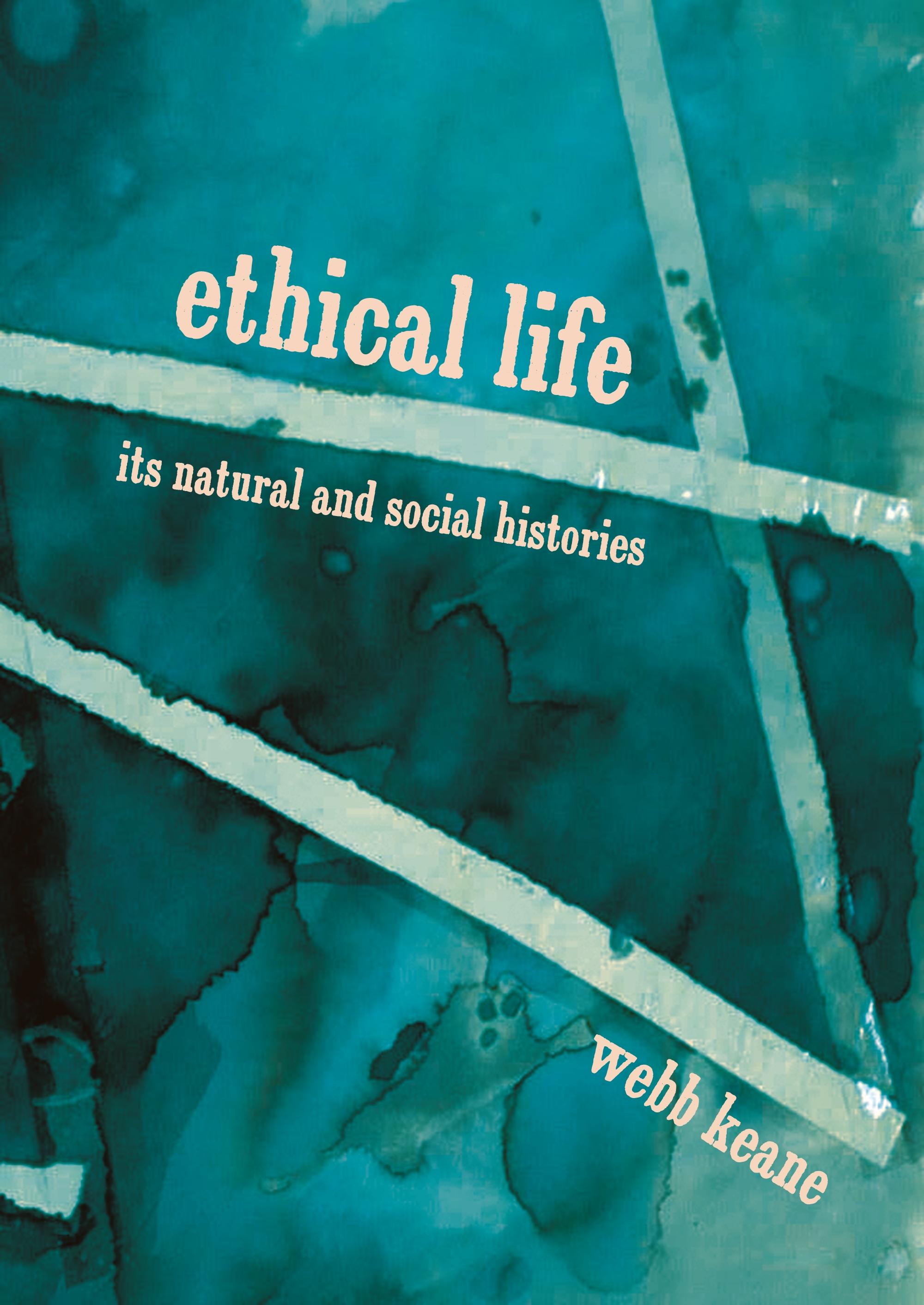
The human propensity to take an ethical stance toward oneself and others is found in every known society, yet we also know that values taken for granted in one society can contradict those in another. Does ethical life arise from human nature itself? Is it a universal human trait? Or is it a product of one's cultural and historical context? Webb Keane offers a new approach to the empirical study of ethical life that reconciles these questions, showing how ethics arise at the intersection of human biology and social dynamics.
Drawing on the latest findings in psychology, conversational interaction, ethnography, and history, Ethical Life takes readers from inner city America to Samoa and the Inuit Arctic to reveal how we are creatures of our biology as well as our history—and how our ethical lives are contingent on both. Keane looks at Melanesian theories of mind and the training of Buddhist monks, and discusses important social causes such as the British abolitionist movement and American feminism. He explores how styles of child rearing, notions of the person, and moral codes in different communities elaborate on certain basic human tendencies while suppressing or ignoring others.
Certain to provoke debate, Ethical Life presents an entirely new way of thinking about ethics, morals, and the factors that shape them.
Betaal eenvoudig met kaart, Klarna, Apple Pay of Google Pay. Niet tevreden? Je hebt altijd 14 dagen bedenktijd. Lees meer in onze voorwaarden. Heb je vragen, mail ons dan via hello@memmo.org.
Memmo maakt studeren makkelijker – waar je ook bent ter wereld. Wij brengen je cursusboeken en slimme studietools samen op één plek: samenvattingen, quizzen, podcasts en flashcards. En Ted, je studievriend die antwoord geeft op alles wat je je afvraagt. Meer dan 50.000 studenten studeren hier al – gebouwd om je sneller te laten leren en minder stress te geven.