
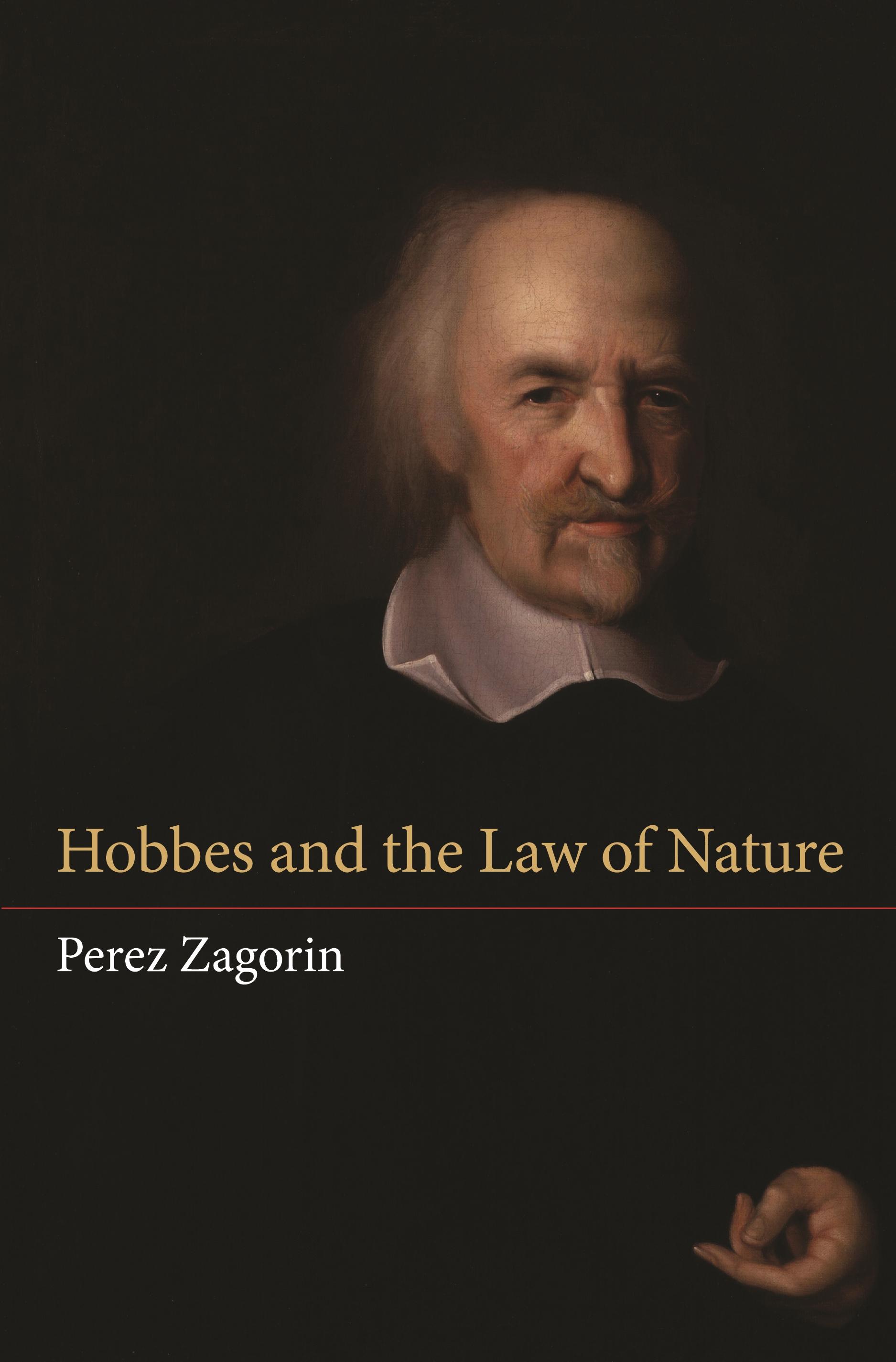
This is the first major work in English to explore at length the meaning, context, aims, and vital importance of Thomas Hobbes's concepts of the law of nature and the right of nature. Hobbes remains one of the most challenging and controversial of early modern philosophers, and debates persist about the interpretation of many of his ideas, particularly his views about natural law and natural right. In this book, Perez Zagorin argues that these two concepts are the twin foundations of the entire structure of Hobbes's moral and political thought.
Zagorin clears up numerous misconceptions about Hobbes and his relation to earlier natural law thinkers, in particular Hugo Grotius, and he reasserts the often overlooked role of the Hobbesian law of nature as a moral standard from which even sovereign power is not immune. Because Hobbes is commonly thought to be primarily a theorist of sovereignty, political absolutism, and unitary state power, the significance of his moral philosophy is often underestimated and widely assumed to depend entirely on individual self-interest. Zagorin reveals Hobbes's originality as a moral philosopher and his importance as a thinker who subverted and transformed the idea of natural law.
Hobbes and the Law of Nature is a major contribution to our understanding of Hobbes's moral, legal, and political philosophy, and a book rich in interpretive and critical insights into Hobbes's writing and thought.
Betaal eenvoudig met kaart, Klarna, Apple Pay of Google Pay. Niet tevreden? Je hebt altijd 14 dagen bedenktijd. Lees meer in onze voorwaarden. Heb je vragen, mail ons dan via hello@memmo.org.
Memmo maakt studeren makkelijker – waar je ook bent ter wereld. Wij brengen je cursusboeken en slimme studietools samen op één plek: samenvattingen, quizzen, podcasts en flashcards. En Ted, je studievriend die antwoord geeft op alles wat je je afvraagt. Meer dan 50.000 studenten studeren hier al – gebouwd om je sneller te laten leren en minder stress te geven.