
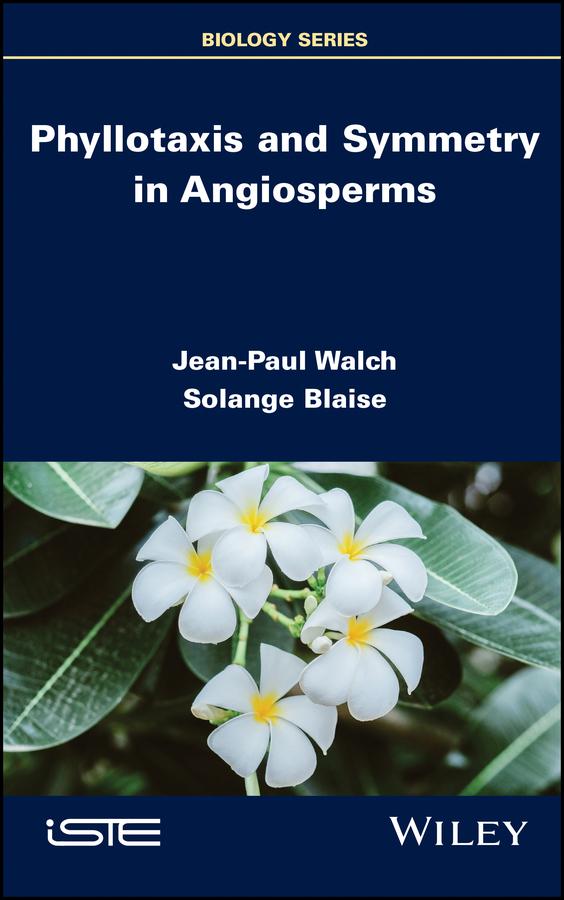
Symmetry and the causes of shifts in different types of symmetries in flowers follow specific patterns that are ruled by developmental and genetic factors.
Using a unified system of phyllotaxic equations, we have modeled the molecular mechanisms and pressure forces that act in inflorescence and floral meristems, giving flowers their organ arrangement.
In this book, we state general physical principles, whereby the symmetry of the perianth is derived from the symmetry of certain TCP gene expression. Thus, we define the interplay between the expression of CYC2-like genes and the phyllotactic mechanisms.
This new evo-devo approach is applied to major groups of angiosperms with predominantly actinomorphic flowers (in which rare zygomorphy is positional) and groups with mainly bilaterally symmetrical flowers (in which zygomorphy is constitutional). It has thus allowed us to revisit the contributions of the great floral morphologists of the 20th and early 21st centuries.
Betaal eenvoudig met kaart, Klarna, Apple Pay of Google Pay. Niet tevreden? Je hebt altijd 14 dagen bedenktijd. Lees meer in onze voorwaarden. Heb je vragen, mail ons dan via hello@memmo.org.
Memmo maakt studeren makkelijker – waar je ook bent ter wereld. Wij brengen je cursusboeken en slimme studietools samen op één plek: samenvattingen, quizzen, podcasts en flashcards. En Ted, je studievriend die antwoord geeft op alles wat je je afvraagt. Meer dan 50.000 studenten studeren hier al – gebouwd om je sneller te laten leren en minder stress te geven.