
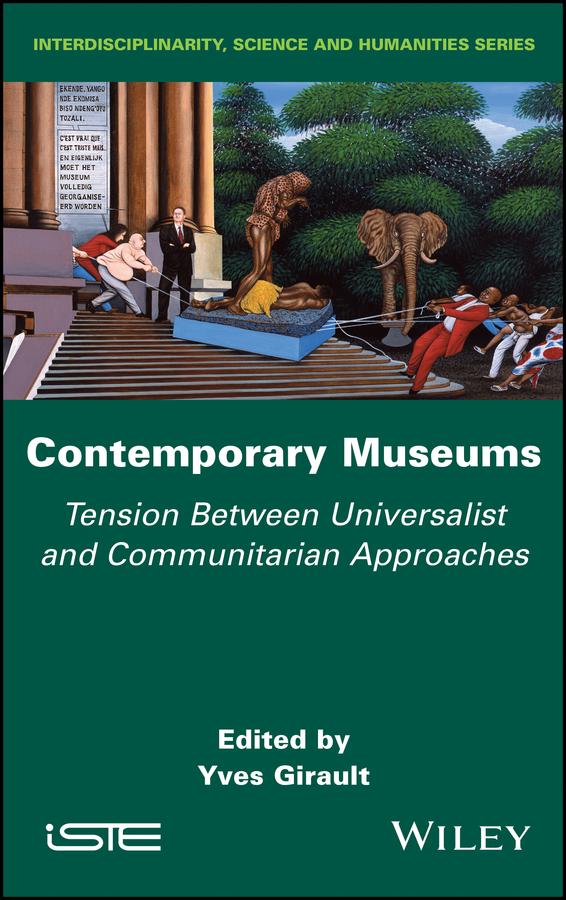
At the center of current debates surrounding the social function of museums, questions concerning museum activities and the participation of both inhabitants and the public arise. In 2019, these questions were the subject of many heated debates at the 34th General Assembly of ICOM in Kyoto, which intended to propose a new definition of the museum. As the representations of the tensions between Universalist and Communitarian approaches are not only largely dependent on the historical and socio-political contexts of the various countries concerned, a generational angle must also be considered. It thus seems totally anachronistic to try to defend a dichotomous vision that is far too simplistic.
At the heart of these current events and international issues, this collective work studies, in an international context, the values, actions and discourses advocated for participating in processes such as collection, selection, conservation and interpretation of heritage elements linked to the territories, resources, knowledge and know-how of various communities. The analysis of the tensions and asymmetries of power between various groups of actors – politicians, managers, scientists, visitors, representatives of local or diasporic populations, among others – particularly in the context of decolonization policies of museums, is also a major part of this book.
Betaal eenvoudig met kaart, Klarna, Apple Pay of Google Pay. Niet tevreden? Je hebt altijd 14 dagen bedenktijd. Lees meer in onze voorwaarden. Heb je vragen, mail ons dan via hello@memmo.org.
Memmo maakt studeren makkelijker – waar je ook bent ter wereld. Wij brengen je cursusboeken en slimme studietools samen op één plek: samenvattingen, quizzen, podcasts en flashcards. En Ted, je studievriend die antwoord geeft op alles wat je je afvraagt. Meer dan 50.000 studenten studeren hier al – gebouwd om je sneller te laten leren en minder stress te geven.