
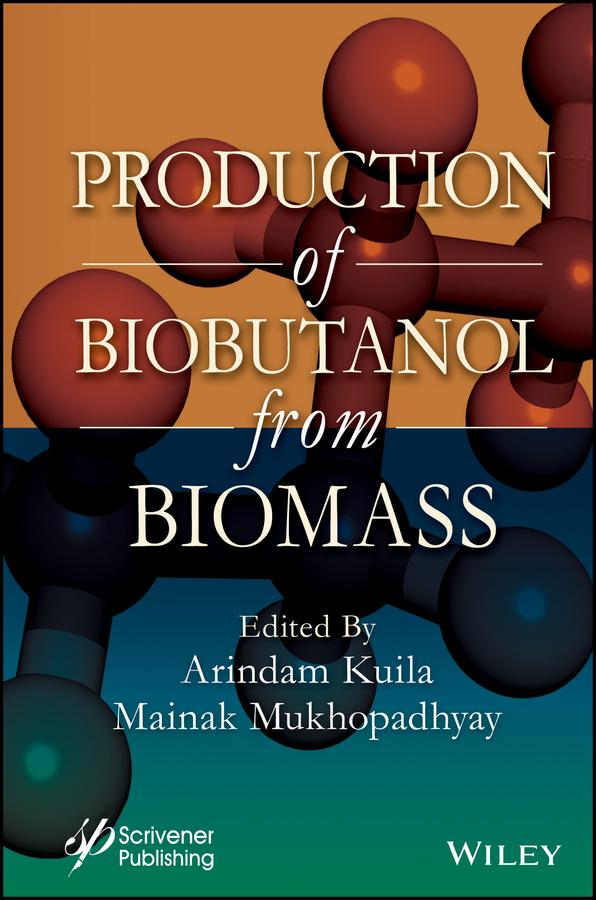
The book covers all current technologies of lignocellulosic biobutanol production as well as the environmental and socioeconomic impact assessment.
N-butanol is a bulk chemical that is used as an industrial solvent and as a component in paint, coatings, and adhesives, among other things. When compared to other biofuels, biobutanol has the advantages of being immiscible in water, having a higher energy content, and having a lower vapor pressure. There are various benefits to producing biobutanol from lignocellulosic biomass. However, there are challenges in producing butanol from lignocellulosic biomass, such as biomass’s complex structure, low butanol yield, and high cost of production, etc.
The 13 chapters comprising this book discuss the current technology and prospects of biobutanol production. The first four chapters provide an overview of the current technological status, while the next six chapters discuss different strategies for enhanced biobutanol production from lignocellulosic biomass. The last three chapters present the industrial status and techno-economic analysis of lignocellulosic biobutanol production.
Audience
The book will be useful for researchers in the areas of various branches of life sciences such as environmental biotechnology, bioprocess engineering, renewable energy, chemical engineering, nanotechnology, biotechnology, microbiology.
Betaal eenvoudig met kaart, Klarna, Apple Pay of Google Pay. Niet tevreden? Je hebt altijd 14 dagen bedenktijd. Lees meer in onze voorwaarden. Heb je vragen, mail ons dan via hello@memmo.org.
Memmo maakt studeren makkelijker – waar je ook bent ter wereld. Wij brengen je cursusboeken en slimme studietools samen op één plek: samenvattingen, quizzen, podcasts en flashcards. En Ted, je studievriend die antwoord geeft op alles wat je je afvraagt. Meer dan 50.000 studenten studeren hier al – gebouwd om je sneller te laten leren en minder stress te geven.