
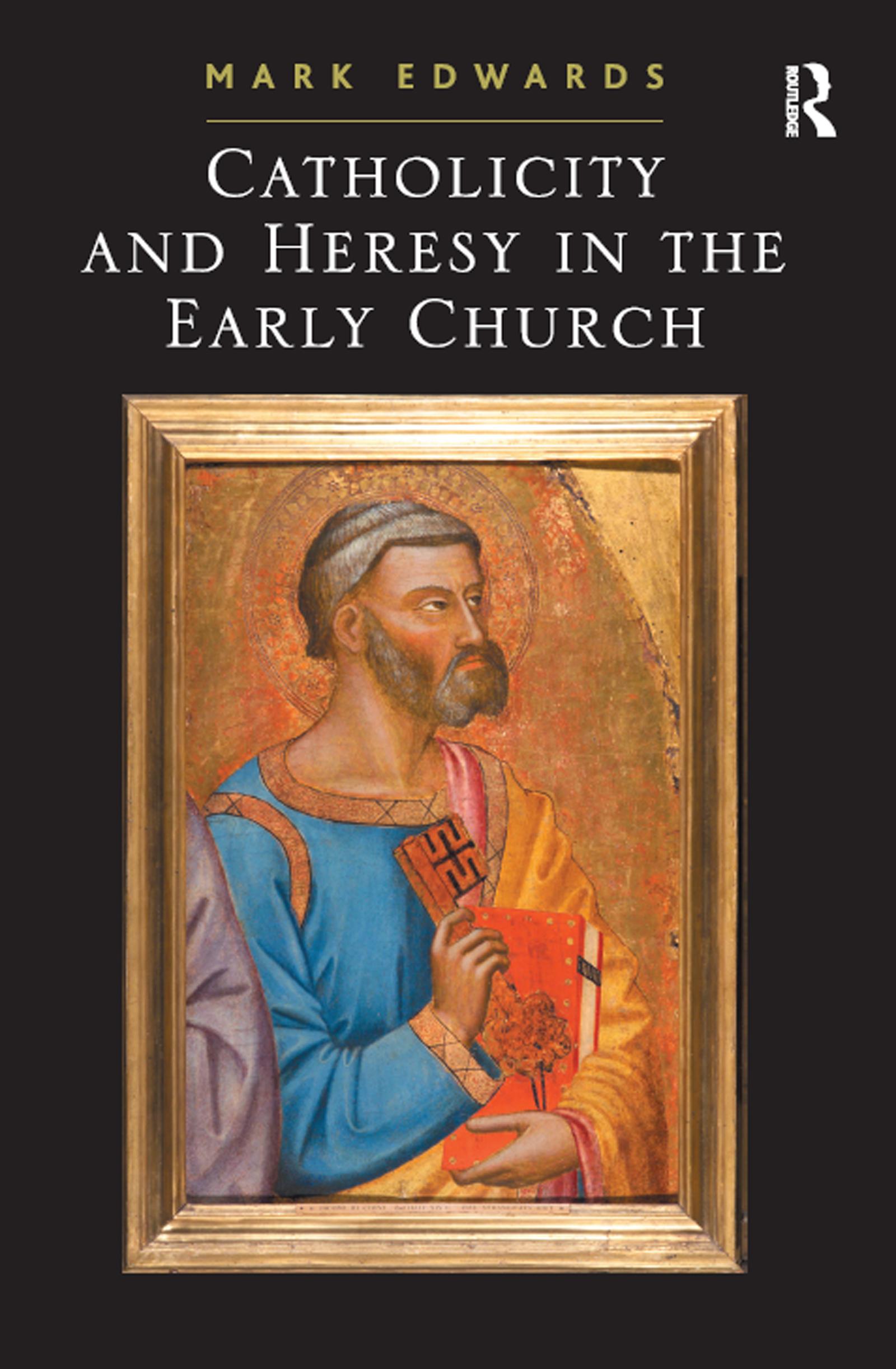
While it has often been recognised that the development of Christian orthodoxy was stimulated by the speculations of those who are now called heretics, it is still widely assumed that their contribution was merely catalytic, that they called forth the exposition of what the main church already believed but had not yet been required to formulate. This book maintains that scholars have underrated the constructive role of these "heretical" speculations in the evolution of dogma, showing that salient elements in the doctrines of the fall, the Trinity and the union of God and man in Christ derive from teachings that were initially rejected by the main church. Mark Edwards also reveals how authors who epitomised orthodoxy in their own day sometimes favoured teachings which were later considered heterodox, and that their doctrines underwent radical revision before they became a fixed element of orthodoxy. The first half of the volume discusses the role of Gnostic theologians in the formation of catholic thought; the second half will offer an unfashionable view of the controversies which gave rise to the councils of Nicaea, Ephesus and Chalcedon . Many of the theories advanced here have not been broached elsewhere, and no synthesis on this scale had been attempted by other scholars. While this book proposes a revision in the scholarly perception of early Christendom, it also demonstrates the essential unity of the tradition.
Betaal eenvoudig met kaart, Klarna, Apple Pay of Google Pay. Niet tevreden? Je hebt altijd 14 dagen bedenktijd. Lees meer in onze voorwaarden. Heb je vragen, mail ons dan via hello@memmo.org.
Memmo maakt studeren makkelijker – waar je ook bent ter wereld. Wij brengen je cursusboeken en slimme studietools samen op één plek: samenvattingen, quizzen, podcasts en flashcards. En Ted, je studievriend die antwoord geeft op alles wat je je afvraagt. Meer dan 50.000 studenten studeren hier al – gebouwd om je sneller te laten leren en minder stress te geven.
Misschien vind je dit ook leuk
Koop het boek0