
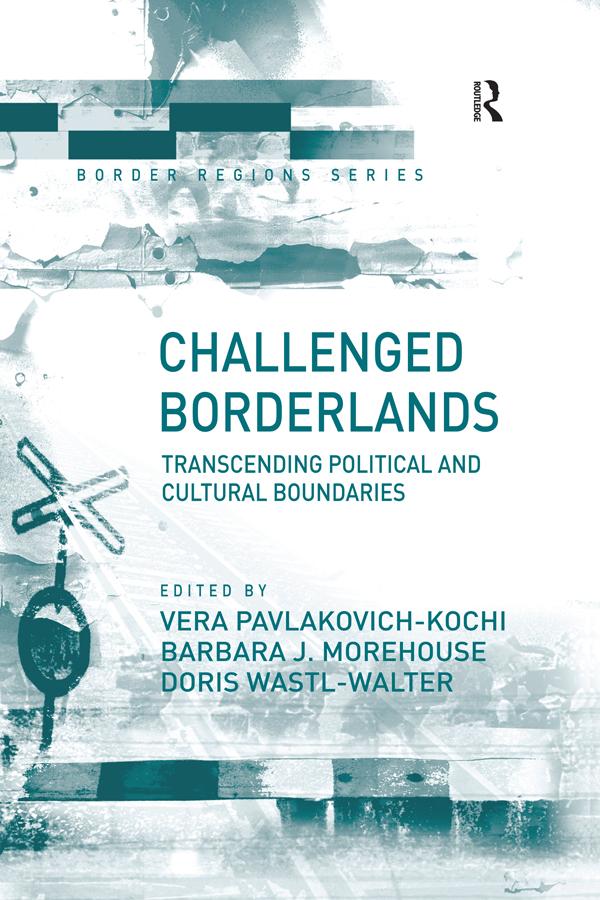
In the early 1990s, borders within Europe and between the United States and Mexico began to open. The increasing flow of goods, capital, ideas and people across boundaries promised to reduce physical and cognitive distances. Simultaneously, challenges to identity have arisen within and between the European nation-states, driven not only by internal cultural and political dynamics, but also by processes of globalization. Concurrently, the US-Mexican border emerged in public consciousness as a location of new opportunities, largely due to public perception of the benefits of the North American Free Trade Agreement (NAFTA). This book explores some of the contradictory, yet simultaneous, processes affecting border regions. A team of leading scientists offers a wide range of perspectives on global, national, regional and local processes, and provides a useful matrix for understanding their complex, multilayered implications. Key concepts such as globalization, borders and identities are illustrated through local and regional case studies.
Betaal eenvoudig met kaart, Klarna, Apple Pay of Google Pay. Niet tevreden? Je hebt altijd 14 dagen bedenktijd. Lees meer in onze voorwaarden. Heb je vragen, mail ons dan via hello@memmo.org.
Memmo maakt studeren makkelijker – waar je ook bent ter wereld. Wij brengen je cursusboeken en slimme studietools samen op één plek: samenvattingen, quizzen, podcasts en flashcards. En Ted, je studievriend die antwoord geeft op alles wat je je afvraagt. Meer dan 50.000 studenten studeren hier al – gebouwd om je sneller te laten leren en minder stress te geven.
Misschien vind je dit ook leuk
Koop het boek0