
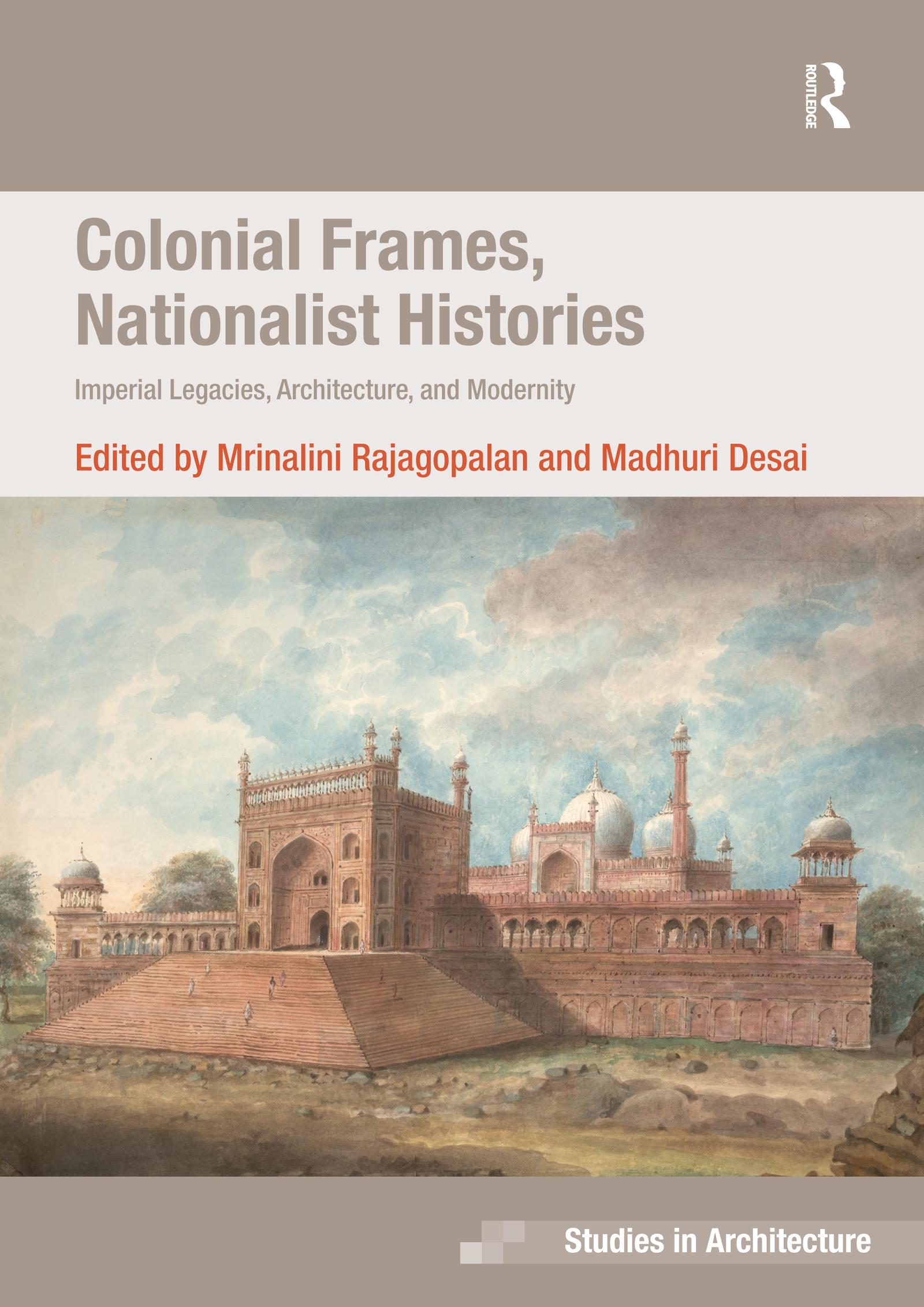
In recent years, there has been a growing debate on the various ways that architecture and urbanism have served the triad of colonialism, nationalism and modernity. Some have argued that newly decolonized nations sought to represent their modernity through the spaces and symbols of their new national capitals, while other scholars have stressed that while the forms and processes of architectural modernization have no doubt served as aids to various nation-building projects, it is the specific role of individual agents (such as planners, architects, an emerging twentieth-century bourgeois citizen, or colonial administrators) in this national project that needs attention. However, many such explorations of this subject have so far taken the form of monographs that concentrate on one city, thereby limiting the scope required to address the broader questions at hand. By juxtaposing case studies from various colonial and postcolonial settings from around the world, this edited volume provides a comprehensive and diachronic investigation of the ways in which architecture and urban space mediate the intersections of colonialism, nationalism, and modernity. Examining such spaces as archaeological sites, memorials, new buildings, or historic urban fabric, the book questions certain established dichotomies such as that of the imperial center and the colonized periphery; the colonial past and the postcolonial present; or the isolation of the national or local from the global. Besides offering unique historical perspectives on colonialism, nationalism and modernity, each case-study also reassesses theories regarding memory and monumentalization; the appropriation and deployment of tradition in the service of nationalism; and the institutions of modernity. A common thread throughout the essays in this volume is a focus on new loci of power that emerge either in collision with colonial power structures, or in collaboration with or those that emerge in the wake of decolonization. While the authors recognize the presence of a larger structure of colonial hegemony, they also investigate those centers of power that emerge in the interstices of crevices of colonial power. Interdisciplinary and theoretically innovative, this book offers a global perspective on colonial and national landscapes, rewrites the master creator narrative, examines national landscapes as sites of contestation and views the globalization of processes such as archaeology beyond the boundaries of the national.
Pagina's: 336
Categorie: Arkitektur & Stadsplanering
e-ISBN: 9781351950473
Verzendgewicht: 1.2 kg
Verzending binnen: 1-2 dagen
Betaal eenvoudig met kaart, Klarna, Apple Pay of Google Pay. Niet tevreden? Je hebt altijd 14 dagen bedenktijd. Lees meer in onze voorwaarden. Heb je vragen, mail ons dan via hello@memmo.org.
Memmo maakt studeren makkelijker – waar je ook bent ter wereld. Wij brengen je cursusboeken en slimme studietools samen op één plek: samenvattingen, quizzen, podcasts en flashcards. En Ted, je studievriend die antwoord geeft op alles wat je je afvraagt. Meer dan 50.000 studenten studeren hier al – gebouwd om je sneller te laten leren en minder stress te geven.
Misschien vind je dit ook leuk
Koop het boek0