
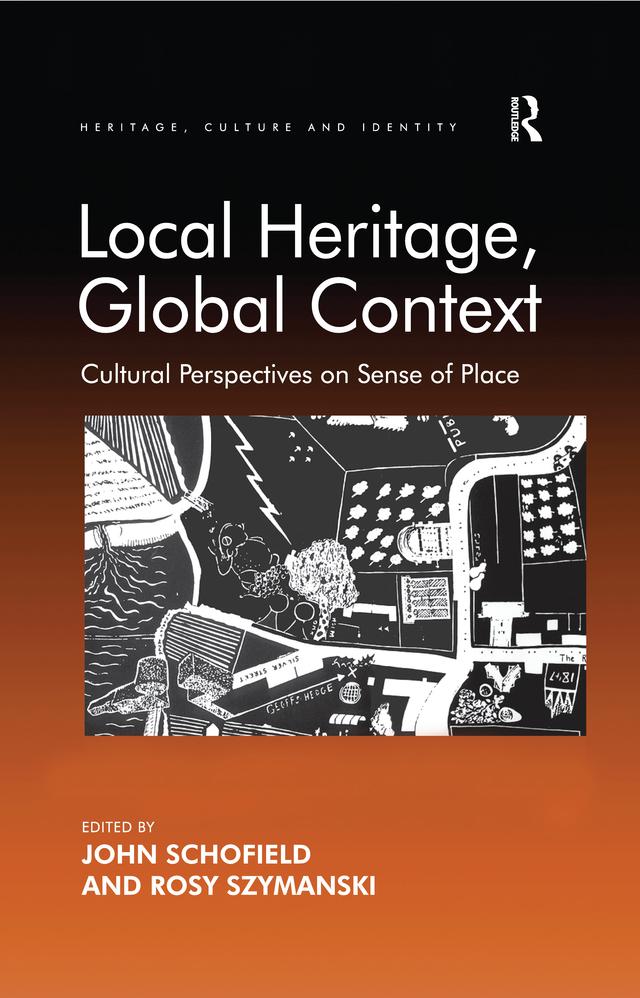
'Sense of place' has become a familiar phrase, used to describe emotional attachment to a particular location. As heritage management policy and practices increasingly attempt to draw on the views and expressions of interest amongst local communities, it is important to have a better grasp of what people mean by this concept, and to assess its uses and implications. Here, a range of practitioners from NGO, agency, cultural heritage and archaeological backgrounds review the meanings of 'sense of place', and where it is useful in the context of heritage management practice. This volume breaks new ground in specifically addressing place attachment from a cultural heritage perspective, and drawing on local and national interests from a diversity of cultural situations. Illustrated with case studies from around Europe and Australia, the book addresses key themes, including the rootedness amongst communities in the past; policy-making for accommodating senses of place within planning and management, for land- sea- and city-scapes; official versus unofficial views; and the often difficult balance between planning policies that extend from regional to global scale, and local actions and perceptions.
Betaal eenvoudig met kaart, Klarna, Apple Pay of Google Pay. Niet tevreden? Je hebt altijd 14 dagen bedenktijd. Lees meer in onze voorwaarden. Heb je vragen, mail ons dan via hello@memmo.org.
Memmo maakt studeren makkelijker – waar je ook bent ter wereld. Wij brengen je cursusboeken en slimme studietools samen op één plek: samenvattingen, quizzen, podcasts en flashcards. En Ted, je studievriend die antwoord geeft op alles wat je je afvraagt. Meer dan 50.000 studenten studeren hier al – gebouwd om je sneller te laten leren en minder stress te geven.
Misschien vind je dit ook leuk
Koop het boek0