
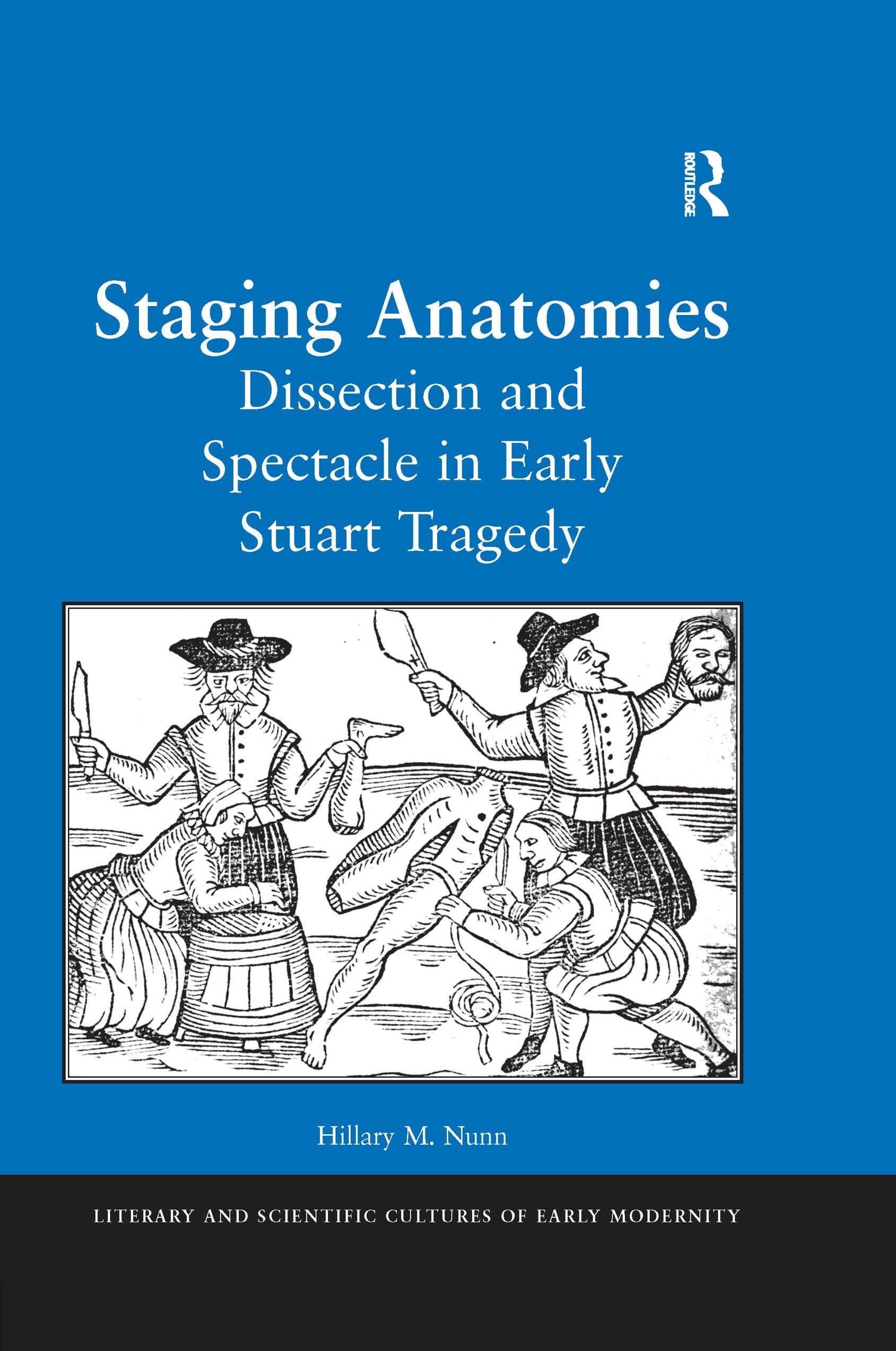
Hillary M. Nunn here traces the connections between the London public's interest in medical dissection and the changing cultural significance of bloodshed on the early Stuart playhouse stage. Considering the playhouses' role within the social world of early modern London, Nunn explores the influence of public dissection upon the presentation of human bodies in well-known plays such as King Lear, as well as in a wide range of often neglected early Stuart tragedies like The Second Maiden's Tragedy and Revenge for Honour. In addition to dramatic texts, the study draws heavily on anatomy treatises and popular pamphlets of the time. Incorporating views of anatomy's significance from a wide range of sources, this study shows the ways in which early Stuart dramatists called upon Londoners' increasing fascination with anatomical dissection to shape the staging of their tragedies.
Betaal eenvoudig met kaart, Klarna, Apple Pay of Google Pay. Niet tevreden? Je hebt altijd 14 dagen bedenktijd. Lees meer in onze voorwaarden. Heb je vragen, mail ons dan via hello@memmo.org.
Memmo maakt studeren makkelijker – waar je ook bent ter wereld. Wij brengen je cursusboeken en slimme studietools samen op één plek: samenvattingen, quizzen, podcasts en flashcards. En Ted, je studievriend die antwoord geeft op alles wat je je afvraagt. Meer dan 50.000 studenten studeren hier al – gebouwd om je sneller te laten leren en minder stress te geven.
Misschien vind je dit ook leuk
Koop het boek0