
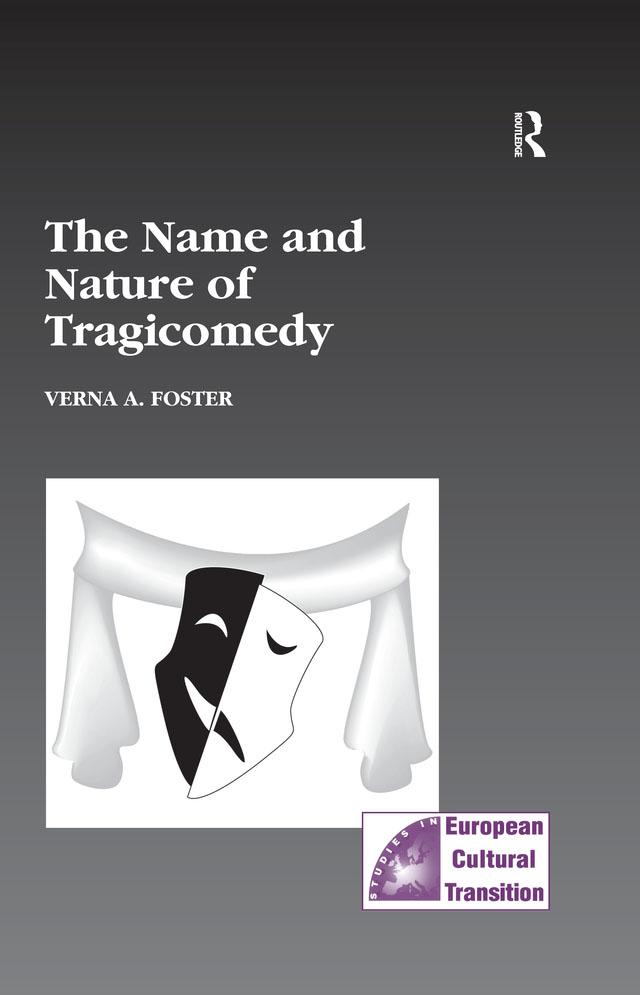
Focusing on European tragicomedy from the early modern period to the theatre of the absurd, Verna Foster here argues for the independence of tragicomedy as a genre that perceives and communicates human experience differently from the various forms of tragedy, comedy, and the drame (serious drama that is neither comic nor tragic). Foster posits that, in the sense of the dramaturgical and emotional fusion of tragic and comic elements to create a distinguishable new genre, tragicomedy has emerged only twice in the history of drama. She argues that tragicomedy first emerged and was controversial in the Renaissance; and that it has in modern times replaced tragedy itself as the most serious and moving of all dramatic genres. In the first section of the book, the author analyzes the name 'tragicomedy' and the genre's problems of identity; then goes on to explore early modern tragicomedies by Shakespeare, Beaumont and Fletcher, and Massinger. A transitional chapter addresses cognate genres. The final section of the book focuses on modern tragicomedies by Ibsen, Chekhov, Synge, O'Casey, Williams, Ionesco, Beckett and Pinter. By exploring dramaturgical similarities between early modern and modern tragicomedies, Foster demonstrates the persistence of tragicomedy's generic markers and provides a more precise conceptual framework for the genre than has so far been available.
Betaal eenvoudig met kaart, Klarna, Apple Pay of Google Pay. Niet tevreden? Je hebt altijd 14 dagen bedenktijd. Lees meer in onze voorwaarden. Heb je vragen, mail ons dan via hello@memmo.org.
Memmo maakt studeren makkelijker – waar je ook bent ter wereld. Wij brengen je cursusboeken en slimme studietools samen op één plek: samenvattingen, quizzen, podcasts en flashcards. En Ted, je studievriend die antwoord geeft op alles wat je je afvraagt. Meer dan 50.000 studenten studeren hier al – gebouwd om je sneller te laten leren en minder stress te geven.
Misschien vind je dit ook leuk
Koop het boek0