
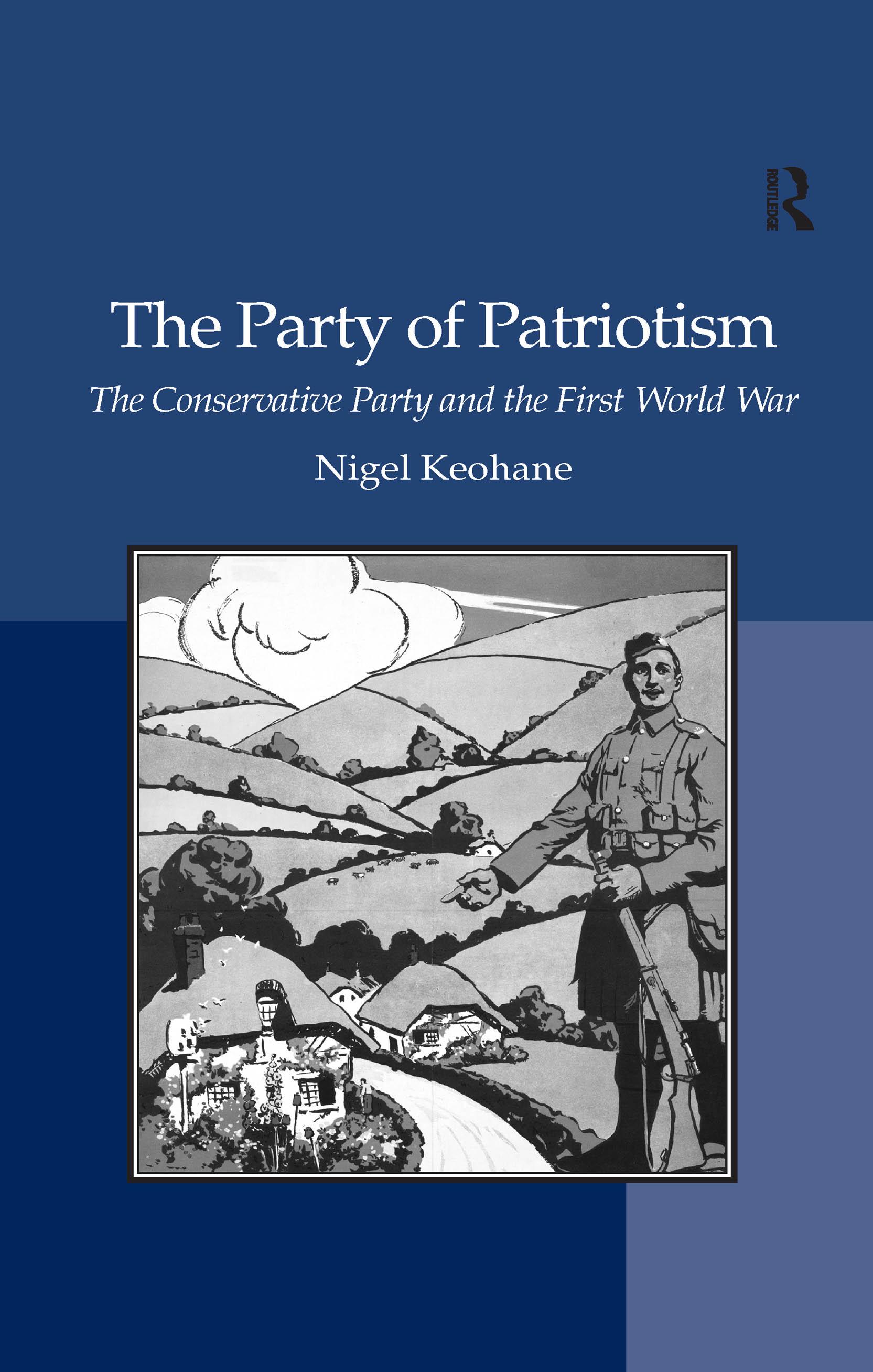
The First World War was a period of turbulent and unprecedented political upheaval that witnessed contrasting fortunes for Britain's major political parties. This book demonstrates how the Conservative Party was able to respond effectively in these years by refining a wartime patriotism that ensured its unity as a party, helped define its electoral fortunes and shaped ideological cohesion. Concepts of patriotism determined not only attitudes to the prosecution of the war, to voluntary and forced military enlistment, but also to class politics, Irish Unionism, democratic reform and the relationship between citizen and state. Fundamental conclusions about modern Conservatism emerge: its organic ideological genesis into a property-defending party; its peculiar willingness and capacity to adapt not only to the immense challenges of 'total war', but also to the new political climate awakened by the conflict. Conservatism was therefore at once flexible and ideological. Filling the historiographical gap created by an overemphasis upon its rival Liberal and Labour parties, and using previously unused party sources, this study sheds new light on many aspects of the war, of Conservative Party history and its regeneration following three disastrous general election defeats in succession, and of British politics in the twentieth century.
Betaal eenvoudig met kaart, Klarna, Apple Pay of Google Pay. Niet tevreden? Je hebt altijd 14 dagen bedenktijd. Lees meer in onze voorwaarden. Heb je vragen, mail ons dan via hello@memmo.org.
Memmo maakt studeren makkelijker – waar je ook bent ter wereld. Wij brengen je cursusboeken en slimme studietools samen op één plek: samenvattingen, quizzen, podcasts en flashcards. En Ted, je studievriend die antwoord geeft op alles wat je je afvraagt. Meer dan 50.000 studenten studeren hier al – gebouwd om je sneller te laten leren en minder stress te geven.
Misschien vind je dit ook leuk
Koop het boek0