
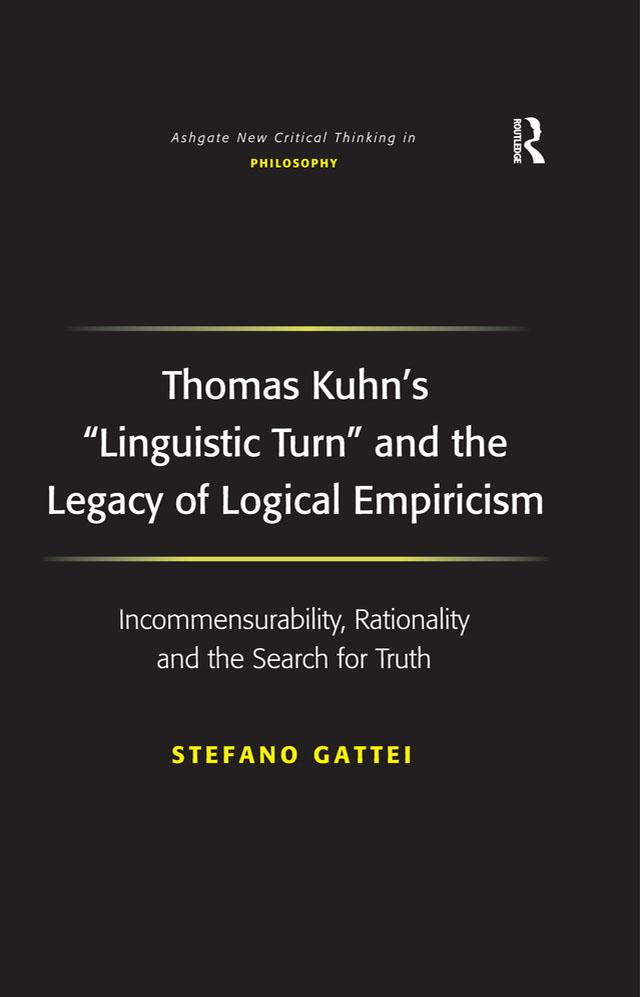
Presenting a critical history of the philosophy of science in the twentieth century, focusing on the transition from logical positivism in its first half to the "new philosophy of science" in its second, Stefano Gattei examines the influence of several key figures, but the main focus of the book are Thomas Kuhn and Karl Popper. Kuhn as the central figure of the new philosophy of science, and Popper as a key philosopher of the time who stands outside both traditions. Gattei makes two important claims about the development of the philosophy of science in the twentieth century; that Kuhn is much closer to positivism than many have supposed, failing to solve the crisis of neopostivism, and that Popper, in responding to the deeper crisis of foundationalism that spans the whole of the Western philosophical tradition, ultimately shows what is untenable in Kuhn's view. Gattei has written a very detailed and fine grained, yet accessible discussion making exceptionally interesting use of archive materials.
Betaal eenvoudig met kaart, Klarna, Apple Pay of Google Pay. Niet tevreden? Je hebt altijd 14 dagen bedenktijd. Lees meer in onze voorwaarden. Heb je vragen, mail ons dan via hello@memmo.org.
Memmo maakt studeren makkelijker – waar je ook bent ter wereld. Wij brengen je cursusboeken en slimme studietools samen op één plek: samenvattingen, quizzen, podcasts en flashcards. En Ted, je studievriend die antwoord geeft op alles wat je je afvraagt. Meer dan 50.000 studenten studeren hier al – gebouwd om je sneller te laten leren en minder stress te geven.
Misschien vind je dit ook leuk
Koop het boek0