
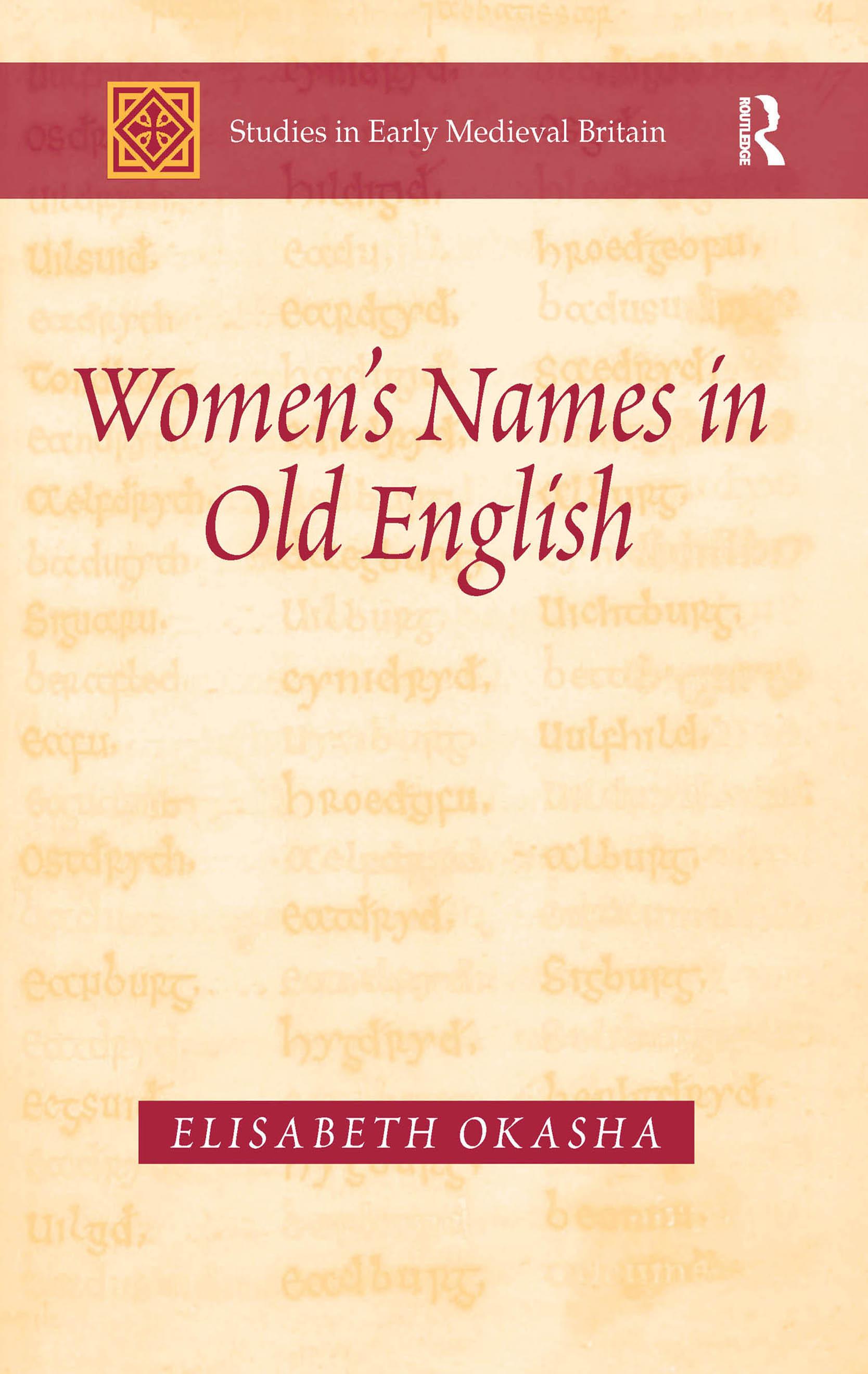
This monograph provides an in-depth study into the issue of vernacular names in Old English documents. Specifically, it challenges the generally accepted notion that the sex of an individual is definitively indicated by the grammatical gender of their name. In the case of di-thematic names, the grammatical gender in question is that of the second element of the name. Thus di-thematic names have been taken as belonging to women if their second element is grammatically feminine. However, as there are no surviving Anglo-Saxon texts which explain the principles of vernacular nomenclature, or any contemporary list of Old English personal names, it is by no means sure that this assumption is correct. While modern scholars have generally felt no difficulty in distinguishing male from female names, this book asks how far the Anglo-Saxons themselves recognised this distinction, and in so doing critically examines and tests the general principle that grammatical gender is a certain indicator of biological sex. Anyone with an interest in Old English manuscripts or early medieval history will find this book both thought provoking and a useful reference tool for better understanding the Anglo-Saxon world.
Betaal eenvoudig met kaart, Klarna, Apple Pay of Google Pay. Niet tevreden? Je hebt altijd 14 dagen bedenktijd. Lees meer in onze voorwaarden. Heb je vragen, mail ons dan via hello@memmo.org.
Memmo maakt studeren makkelijker – waar je ook bent ter wereld. Wij brengen je cursusboeken en slimme studietools samen op één plek: samenvattingen, quizzen, podcasts en flashcards. En Ted, je studievriend die antwoord geeft op alles wat je je afvraagt. Meer dan 50.000 studenten studeren hier al – gebouwd om je sneller te laten leren en minder stress te geven.
Misschien vind je dit ook leuk
Koop het boek0