
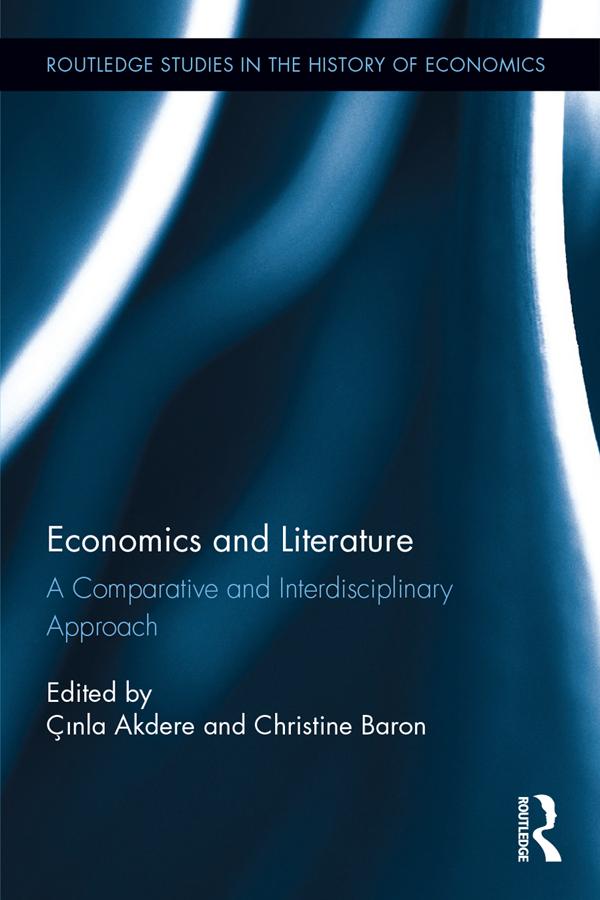
Since the Middle Ages, literature has portrayed the economic world in poetry, drama, stories and novels. The complexity of human realities highlights crucial aspects of the economy. The nexus linking characters to their economic environment is central in a new genre, the "economic novel", that puts forth economic choices and events to narrate social behavior, individual desires, and even non-economic decisions. For many authors, literary narration also offers a means to express critical viewpoints about economic development, for example in regards to its ecological or social ramifications.
Conflicts of economic interest have social, political and moral causes and consequences. This book shows how economic and literary texts deal with similar subjects, and explores the ways in which economic ideas and metaphors shape literary texts, focusing on the analogies between economic theories and narrative structure in literature and drama. This volume also suggests that connecting literature and economics can help us find a common language to voice new, critical perspectives on crises and social change.
Written by an impressive array of experts in their fields, Economics and Literature is an important read for those who study history of economic thought, economic theory and philosophy, as well as literary and critical theory.
Betaal eenvoudig met kaart, Klarna, Apple Pay of Google Pay. Niet tevreden? Je hebt altijd 14 dagen bedenktijd. Lees meer in onze voorwaarden. Heb je vragen, mail ons dan via hello@memmo.org.
Memmo maakt studeren makkelijker – waar je ook bent ter wereld. Wij brengen je cursusboeken en slimme studietools samen op één plek: samenvattingen, quizzen, podcasts en flashcards. En Ted, je studievriend die antwoord geeft op alles wat je je afvraagt. Meer dan 50.000 studenten studeren hier al – gebouwd om je sneller te laten leren en minder stress te geven.