
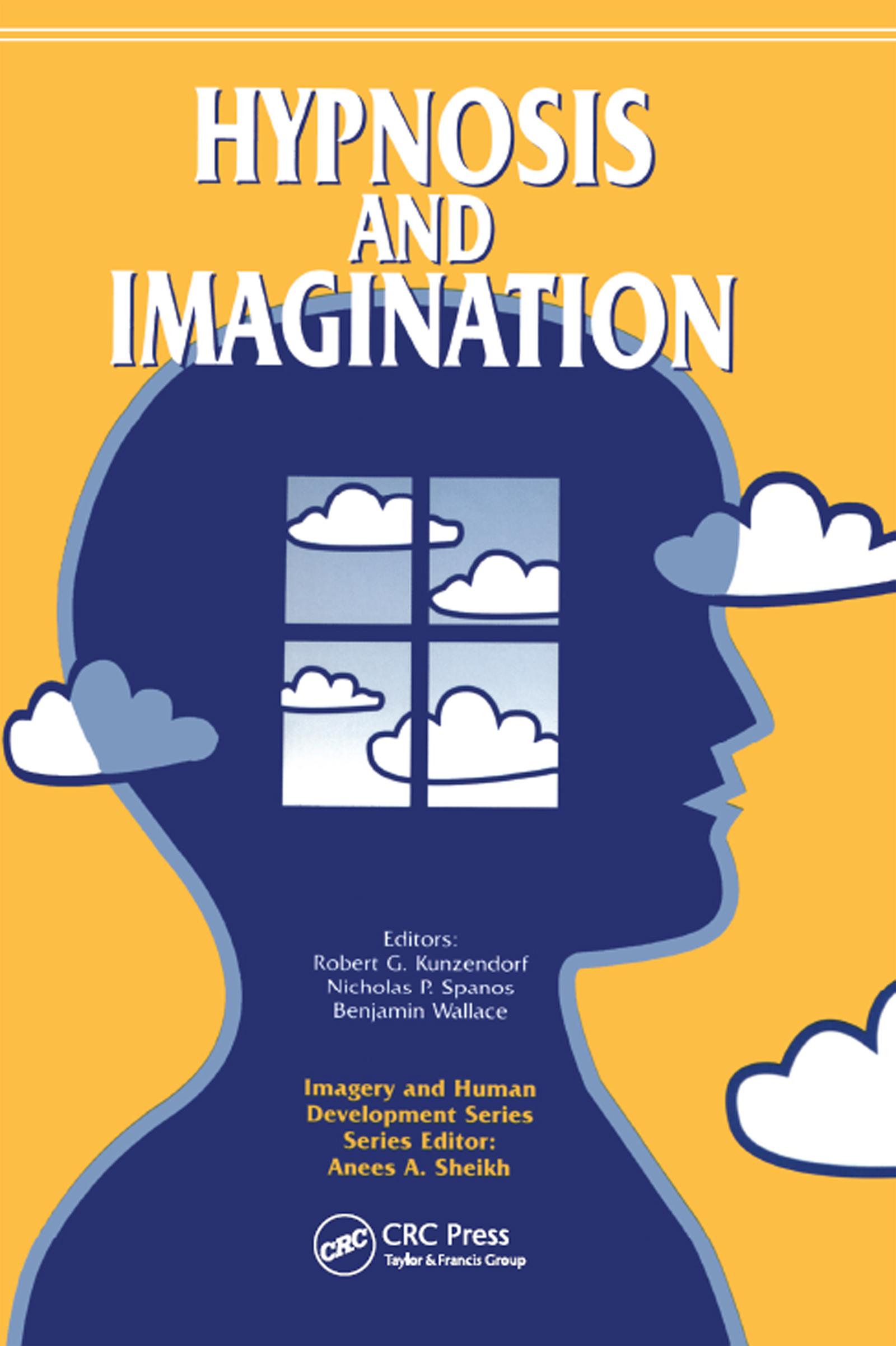
The book's first three chapters-by Sheehan and Robertson; Wagstaff; Council, Kirsch, and Grant - conclude that three different factors turn imagination into hypnosis. The next three chapters-by Lynn, Neufeld, Green, Rhue, and Sandberg; Rader, Kunzendorf, and Carrabino; and Barrett-explore the hypnotic and the clinical significance of absorption in imagination. Three subsequent chapters-by Coe; Gwynn and Spanos; and Gorassini-examine the role of compliance and imagination in various hypnotic phenomena. Pursuing the possibility that some hypnotic hallucinations are experienced differently from normal images, the following two chapters-by Perlini, Spanos, and Jones; and Kunzendorf and Boisvert-focus on negative hallucinating, which reportedly "blocks out" perceptual reality. The remaining three chapters-by Wallace and Turosky; Crawford; and Persinger-pursue other physiological differences, and possible physiological connections, between hypnosis and imagination.
Betaal eenvoudig met kaart, Klarna, Apple Pay of Google Pay. Niet tevreden? Je hebt altijd 14 dagen bedenktijd. Lees meer in onze voorwaarden. Heb je vragen, mail ons dan via hello@memmo.org.
Memmo maakt studeren makkelijker – waar je ook bent ter wereld. Wij brengen je cursusboeken en slimme studietools samen op één plek: samenvattingen, quizzen, podcasts en flashcards. En Ted, je studievriend die antwoord geeft op alles wat je je afvraagt. Meer dan 50.000 studenten studeren hier al – gebouwd om je sneller te laten leren en minder stress te geven.
Misschien vind je dit ook leuk
Koop het boek0