
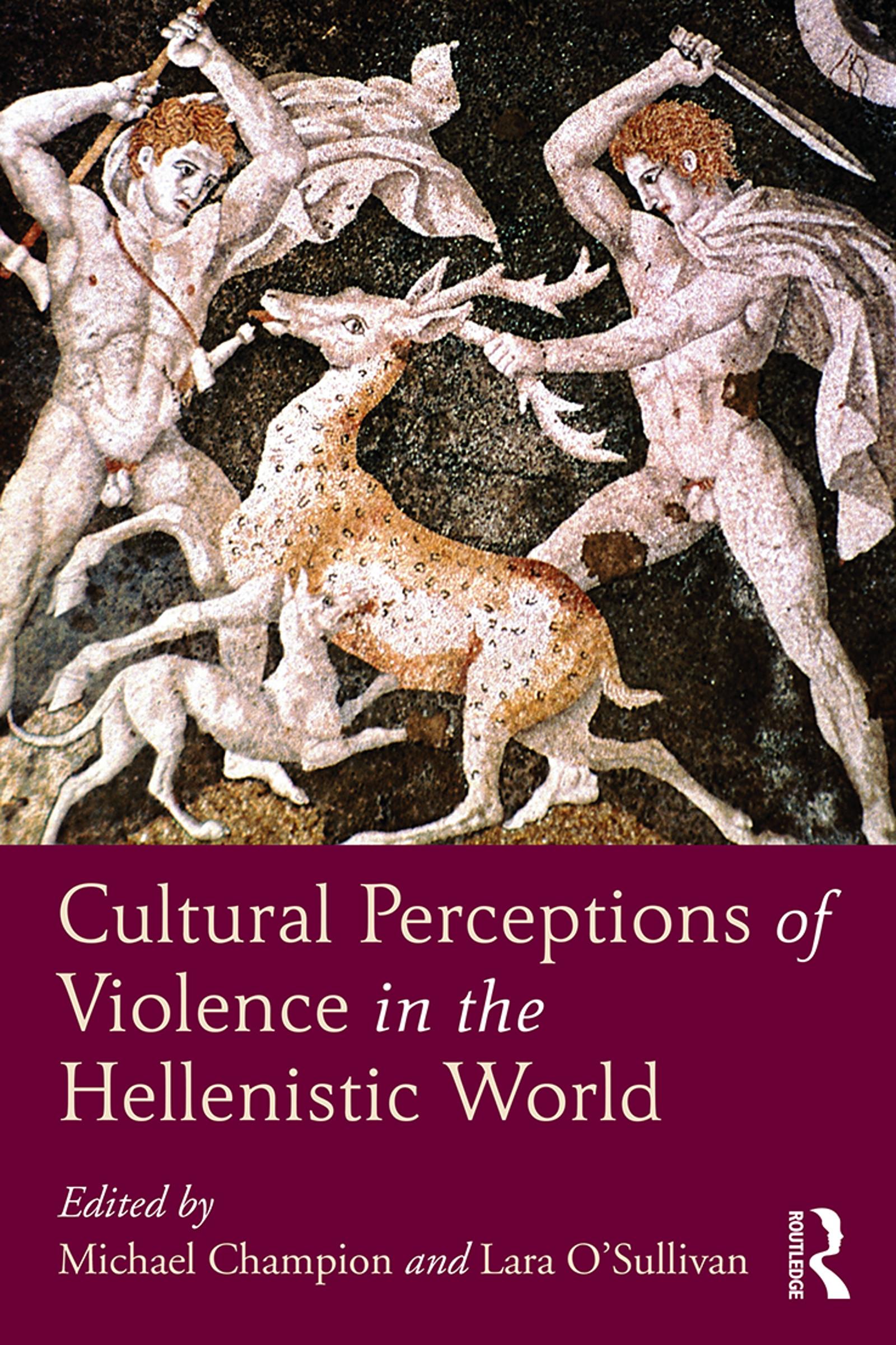
Violence had long been central to the experience of Hellenistic Greek cities and to their civic discourses. This volume asks how these discourses were shaped and how they functioned within the particular cultural constructs of the Hellenistic world. It was a period in which warfare became more professionalised, and wars increasingly ubiquitous. The period also saw major changes in political structures that led to political and cultural experimentation and transformation in which the political and cultural heritage of the classical city-state encountered the new political principles and cosmopolitan cultures of Hellenism. Finally, and in a similar way, it saw expanded opportunities for cultural transfer in cities through (re)constructions of urban space. Violence thus entered the city through external military and political shocks, as well as within emerging social hierarchies and civic institutions. Such factors also inflected economic activity, religious practices and rituals, and the artistic, literary and philosophical life of the polis.
Betaal eenvoudig met kaart, Klarna, Apple Pay of Google Pay. Niet tevreden? Je hebt altijd 14 dagen bedenktijd. Lees meer in onze voorwaarden. Heb je vragen, mail ons dan via hello@memmo.org.
Memmo maakt studeren makkelijker – waar je ook bent ter wereld. Wij brengen je cursusboeken en slimme studietools samen op één plek: samenvattingen, quizzen, podcasts en flashcards. En Ted, je studievriend die antwoord geeft op alles wat je je afvraagt. Meer dan 50.000 studenten studeren hier al – gebouwd om je sneller te laten leren en minder stress te geven.